

Japanese dance hits from the 2000s. Songs that make you want to dance on TikTok.


This article introduces Japanese dance tracks that were hits in the 2000s!
In recent years, trends like “Y2K,” referring to the early 2000s, have been popular, and the J-POP scene from that era is full of songs that make you want to dance.
In addition to hits from back then, many tracks have become even more familiar through TikTok, making them great picks for livening up events and performances!
Enjoy these super fun, hype-raising songs—spirited Japanese dance music from the 2000s!
- Get into it! Dance to it! Enjoy it! Best J-POP Dance Tracks
- Guaranteed to make you want to dance! Dance tracks that defined the Heisei era
- [Nostalgic Hits] Popular Japanese dance music songs that were hits in the 1990s
- [Nostalgic hits] Dance music that resonates with people in their 30s. Popular dance tracks.
- Dance music from Western artists that was a hit in the 2000s. World-famous classics and popular songs.
- Let’s dance to popular songs! A collection of recommended dance tracks for elementary school students
- Nothing but iconic hits that defined an era! 2000s classics popular on TikTok
- All big hits! A roundup of classic J‑Pop songs that were popular in 2000
- An energizing song that was a hit in the 2000s—a classic that gives you strength.
- [For School Culture Festivals] A Selection of Hype Dance Tracks [2026]
- Easy-to-dance songs [Perfect for dance beginners]
- 2000s Japanese Hits | Unforgettable Once You Hear Them! Exquisite Masterpieces
- How many dances can you do? Dance numbers recommended for the Yutori generation
Japanese dance tracks that were hits in the 2000s. Songs that make you want to dance on TikTok (41–50)
The☆Peace!Mōningu Musume.
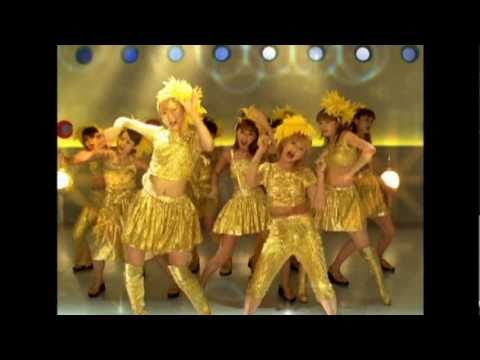
Morning Musume’s 12th single is a fun, high-energy track released in July 2001.
The video features the members dressed as sailors dancing aboard a ship, with a Charleston-style interlude and a memorable solo dance by Rika Ishikawa.
The lyrics weave in scenes like a family dining out on election day and the small joys of everyday life, expressing a wish for peace.
It was also used as the opening theme for TV Tokyo’s “Find the Idol!” This exuberant 2000s dance number is perfect for livening up events and party performances.
real EmotionKōda Kumi
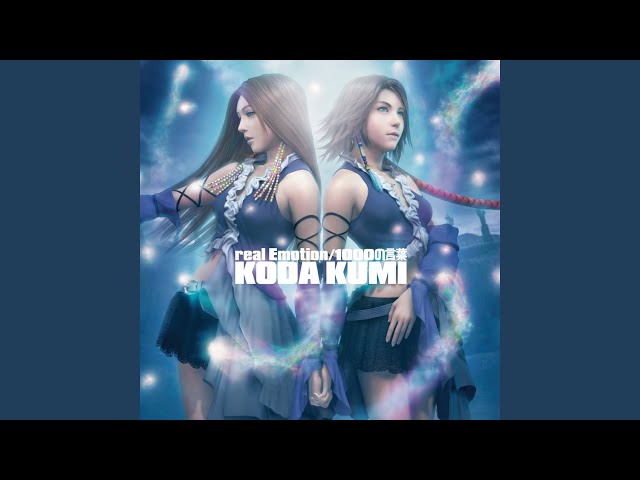
This song is known as a defining track of the 2000s.
Used as the opening theme for the PS2 game Final Fantasy X-2, it became a memorable classic for many.
Its lyrics, which sing about the importance of strong bonds and supporting one another, resonate deeply with listeners.
Released in March 2003, it is included on Koda Kumi’s albums “grow into one” and “BEST ~first things~.” Frequently performed in live video releases, it’s a nostalgic favorite among fans.
Popular as a dance number as well, it’s the perfect song to energize events and performances.
Lovers AgainEXILE

A massive hit by EXILE that broke through in the 2000s.
Set in a winter city, this poignant song tells of lingering feelings for a former lover and a wish to meet again.
Regret over choosing to say goodbye and the hint of a new passion weave a complex emotional landscape, carried by a gentle melody.
Released in January 2007, it was also featured in commercials for au’s LISMO and FUJITSU’s FMV, making it beloved by a wide audience.
It’s a song that might make you stop in your tracks when you hear it in the city—one that truly resonates.
By brilliantly translating a ballad into dance, it expanded the possibilities of dance expression.
It’s the kind of track you’ll want to listen to on a winter night while thinking of someone dear.
Pecori NightGorie with Jasmine & Joann

This song is a quintessential dance number of the 2000s.
With its catchy melody and fun lyrics, it instantly lifts your spirits.
It was tied in as the image song for Fuji TV’s “Odaiba Adventure King 2005,” and upon its release in September 2005, it debuted at No.
3 on the Oricon charts, becoming a major hit.
The lyrics, depicting a bold approach to love and a fun night out, burst with cheerleader-like energy.
Gorie’s energetic performance could put even professional dancers to shame.
It’s the perfect track to hype up events or parties.
It’s also loved as a song that makes you want to dance on TikTok, and it continues to be cherished by many people today.
Be My LoveSPEED

It was released in 2003 as SPEED’s 13th single.
The song was released during their second reunion and was chosen as the theme song for the “Save the Children: Let’s Start Together” project, for which all four members served as messengers.
While their pre-breakup songs intentionally featured unison vocals by Hiroko Shimabukuro and Eriko Imai, this work focuses on four-part harmonies, with a distinctive, more mature dance style.
Dear WOMANSMAP

Released in 2006 as SMAP’s 39th single.
It was used in commercials for Shiseido’s shampoo “TSUBAKI” and debuted at number one on the Oricon Weekly Singles Chart.
At the 2006 57th NHK Kōhaku Uta Gassen, “Dear WOMAN” was performed at the end of the “2006 Review.”
Why did I end up falling in love with you?Tōhōshinki

This is a ballad themed around a heartrending heartbreak.
It portrays the protagonist’s complex emotions as they watch the person they love find happiness with someone else, sung over a gentle melody.
Released in July 2008, it also cemented the Japan popularity of TVXQ, a group from South Korea.
The song topped the Oricon Weekly Singles Chart and achieved the remarkable feat of becoming the first non-Japanese artist to score three consecutive No.
1 singles.
As pioneers of dance-vocal performance, they deliver a stunning ballad here.
It’s a recommended track not only for those who have experienced heartbreak, but also for anyone who can relate to wishing happiness for someone they hold dear.