

Useful for workplace morning meetings! Recommended topics and trivia you can use for a one-minute speech.


If you were told, “Please give a concise one-minute speech at the morning assembly,” what would you talk about?
It’d be best to choose a topic that benefits work or one that’s captivating enough to draw listeners in—something that will pique the audience’s interest.
And not just at work: even the principal’s speech—often said to be long-winded—could be something students look forward to if it’s concise and engaging.
So this time, we’ll introduce recommended topics and trivia perfect for a one-minute speech.
You won’t always know in advance when you’ll be asked to speak, so be sure to check these out for when the moment comes!
- [Great for speeches] Trivia and fun-fact quizzes recommended for morning assemblies
- [Business Manners] Trivia Quiz Useful for Work
- Useful right away in daily life! Surprising trivia and handy tips
- [In a Short Time] Icebreakers and Fun Games That Shine at Morning Meetings
- A quiz of fun trivia: bite-sized knowledge that leads to new insights.
- A roundup of recommended psychological tests you can use at work
- [Conversation Skills] Get the Crowd Going! A Collection of Talk Theme Ideas
- Liven up your drinking party! Fail-safe conversation topics and talk themes
- Stimulate your intellectual curiosity! Fascinating trivia quizzes that you’ll want to share with others
- [Interesting] Compilation of Trivia Quiz Questions
- Icebreaker Ideas and Games Collection
- When your tension or motivation is low! Short phrases to boost your motivation
- Remember these when you're unsure at work: short, powerful quotes and sayings that hit home.
Useful for workplace morning meetings! Recommended topics and trivia you can use for a 1-minute speech (21–30)
Evacuation slogans are “OHASHIMOTE” and “OKASHIMO.”
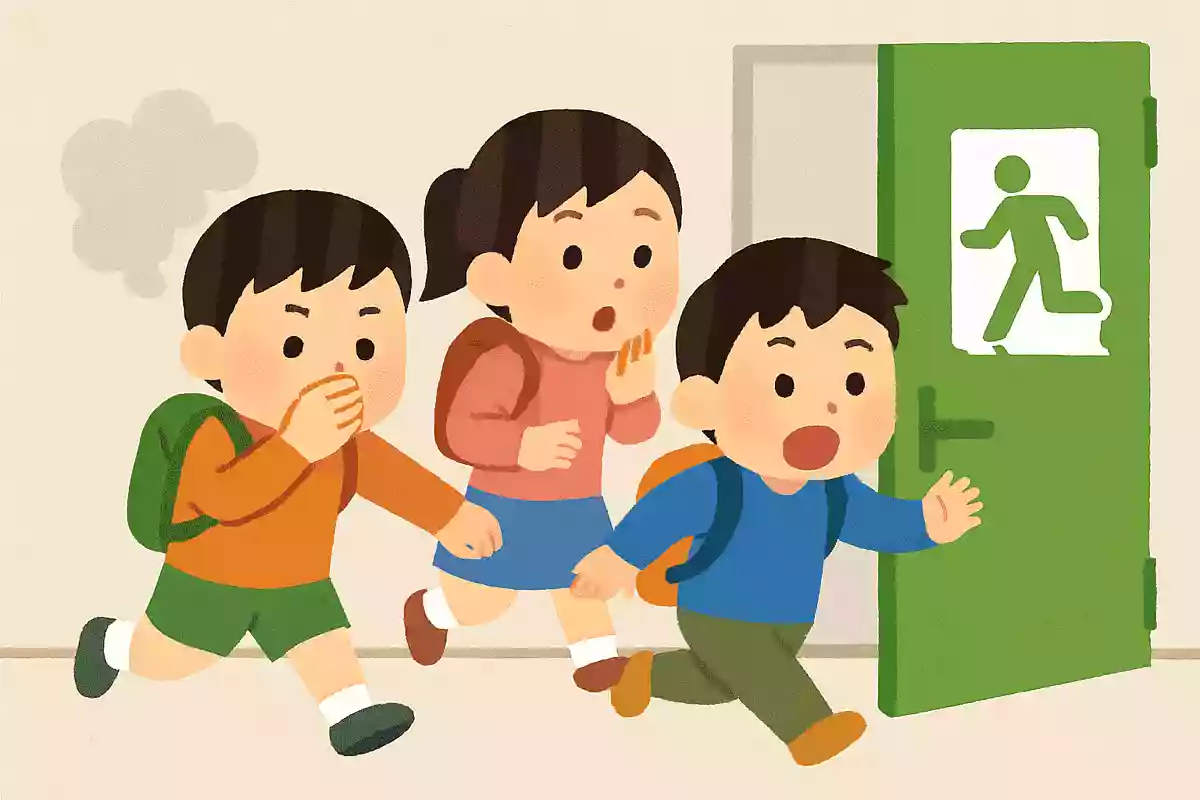
Disasters strike at unexpected times, and precisely because they happen suddenly, many people end up panicking.
To avoid panicking like that, preparation is essential, and one idea is to engrave evacuation guidelines in your mind as a slogan.
Commonly taught phrases include “O-HA-SHI-MO-TE” or “O-KA-SHI-MO,” which bundle together things you must not do during evacuation.
They stand for ideas like: don’t push, don’t run, don’t talk, don’t go back, and so on, conveying the wish that everyone cooperates to evacuate quickly and safely.
It’s important to remember them well so you’re ready when the time comes.

The Importance of Breakfast

Meals provide the energy we need to live, and it’s often said that eating three proper meals a day helps you feel energetic throughout the day.
Why not help people understand the importance of meals, especially how crucial it is to eat a proper breakfast? Let’s clearly explain, with data, how the body functions when you eat breakfast.
For those who find it hard to eat in the morning, you could introduce easy-to-eat options, or try engaging them with stories about delicious breakfasts—that approach is also recommended.
In conclusion
This time, we introduced ideas and trivia you can use for one-minute speeches, such as at morning assemblies. From handy facts useful while studying or working to timely topics, we hope these give you a starting point for planning your speech. Also, since cue cards are rarely used for speeches like morning briefings, we recommend choosing a theme and practicing until the words come naturally. By speaking while making eye contact with your audience, your message will come across more clearly—so give it a try.