

[For 2-year-olds] Let's read together! Recommended picture books for March


When children turn two, the full-fledged preparation for moving up to the preschool class begins in March.
They’ll have more opportunities to interact with friends within a group and to learn.
This time, we’re introducing picture books that are perfect for March.
With the pleasant, springlike weather, March makes you want to go out and explore.
It would be lovely if picture books could help children feel the season and enjoy the excitement of going on outings.
There are many books that work well as an introduction—for example, reading a picture book before outdoor activities.
Teachers, please join the children in feeling that excitement together.
- [For 2-year-olds] Enjoy spring-recommended picture books with your children
- [For 1-year-olds] Perfect for March! A special selection of picture books recommended for 1-year-olds
- [February] Recommended picture books for 2-year-olds: Books that evoke winter and Setsubun
- [For 3-Year-Olds] Recommended Picture Books for Spring | Exciting and Thrilling Reads
- [For 3-year-olds] Recommended Picture Books to Read in March
- [For 2-year-olds] Recommended picture books to enjoy reading in January
- [February] Picture books for 3-year-olds with themes of Setsubun and winter
- [Picture Books] Savor the fun of words: A special feature on recommended onomatopoeia picture books
- March: Picture Books Recommended for Enjoying with 5-Year-Olds
- [March] Picture books that 0-year-olds will find interesting and enjoy
- [Childcare] Recommended in March! A collection of craft ideas for 2-year-olds
- [For 4-Year-Olds] Recommended Spring Picture Books | Engaging with the World and Friends
- [For 5-year-olds] Picture Books to Read in Spring | Let’s Explore Different Worlds with Children
[Age 2] Let’s Read Together! Recommended Picture Books for March (11–20)
Zou-kun’s WalkText and illustrations: Hirotaka Nakano / Lettering: Masataka Nakano
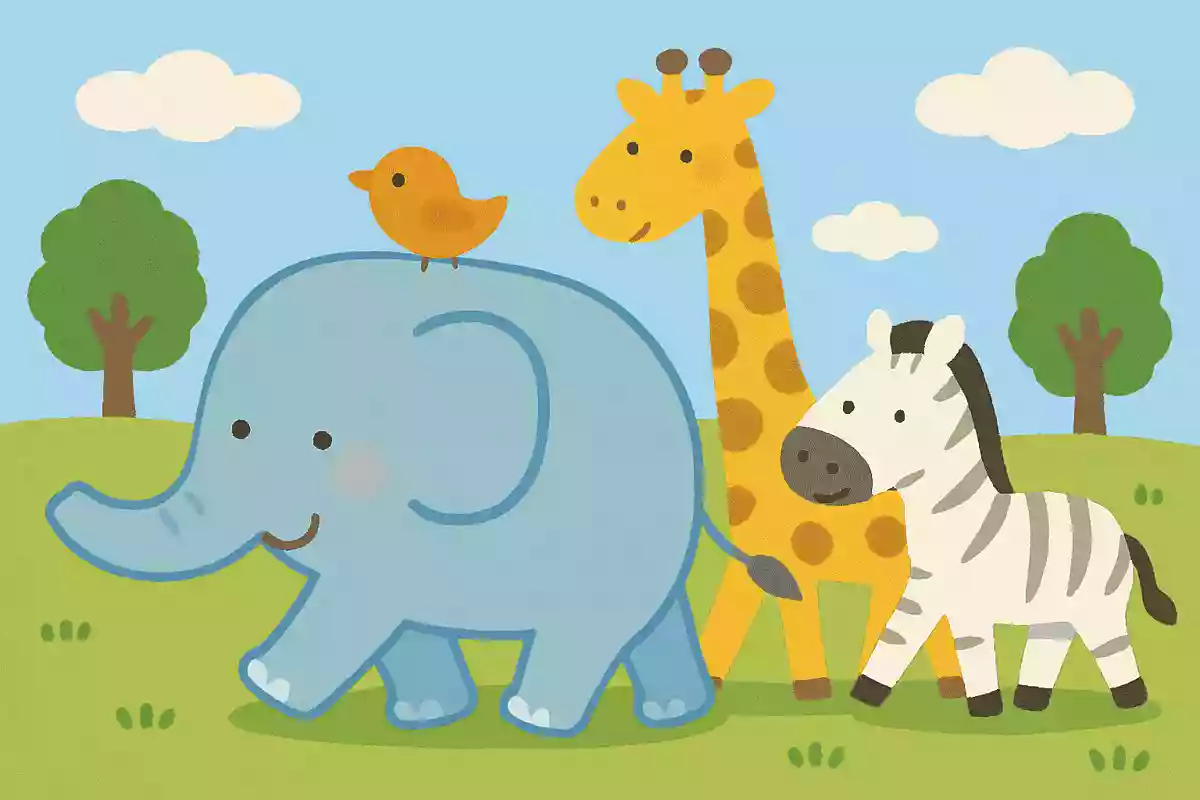

Zou-kun the elephant goes out for a walk.
When he meets Kaba-kun the hippo, Kaba-kun climbs onto Zou-kun’s back.
As they keep walking, this time they meet Wani-kun the crocodile…
The animals they meet along the way one after another climb onto Zou-kun’s back.
The sight of the stacked-up animals walking along is irresistibly humorous.
It overlaps with the way children look when they’re playing and horsing around together.
In the end, they all tumble into a pond.
It may look like a simple picture book, but it’s an utterly charming story.
You can just imagine children staring intently at its pages.

So it’s a bus, huh.Text: Hirotaka Nakagawa / Illustrations: 100% ORANGE
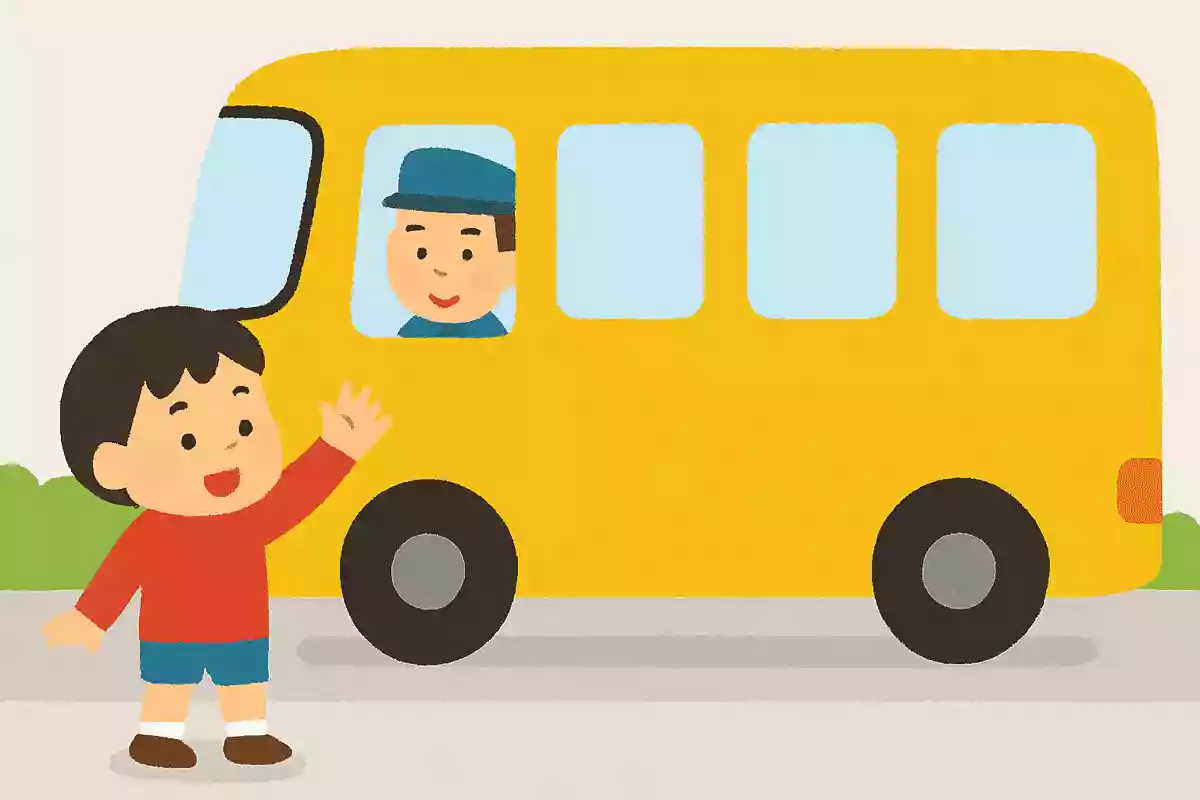

Children’s imaginations amaze us every day, don’t they? Two-year-olds in particular are at a stage where their interactions with people around them really flourish.
“Basunanone” (It’s a Bus), which we highly recommend for two-year-olds, is a story about a boy who pretends a chair is a bus.
It conveys, to the fullest, the freedom and joy of pretend play.
Children will be thrilled and excited as they imagine how the story unfolds.
After you finish reading, a bus pretend-play session might just start in the room.
It’s a wonderful picture book that will make the teacher reading it aloud smile and have fun, too.
dennyaText: Kenta Otsuka / Illustrations: Keiko Shibata


Den-nya, a cat that transforms into a train, was created by the duo Kenta Otsuka and Keiko Shibata, famous for the “Tobimasen” series.
Den-nya is wonderfully free—stopping for breaks along the way or even going a bit out of control! And that’s exactly what captivates two-year-olds.
Whatever they feel and however they behave, it’s all okay.
Teachers might find themselves reading it while picturing children’s uninhibited, lively spirits.
It’s a charming picture book that kids will want to read again and again.
Quail-chan’s Hide-and-SeekKimo to Momoko
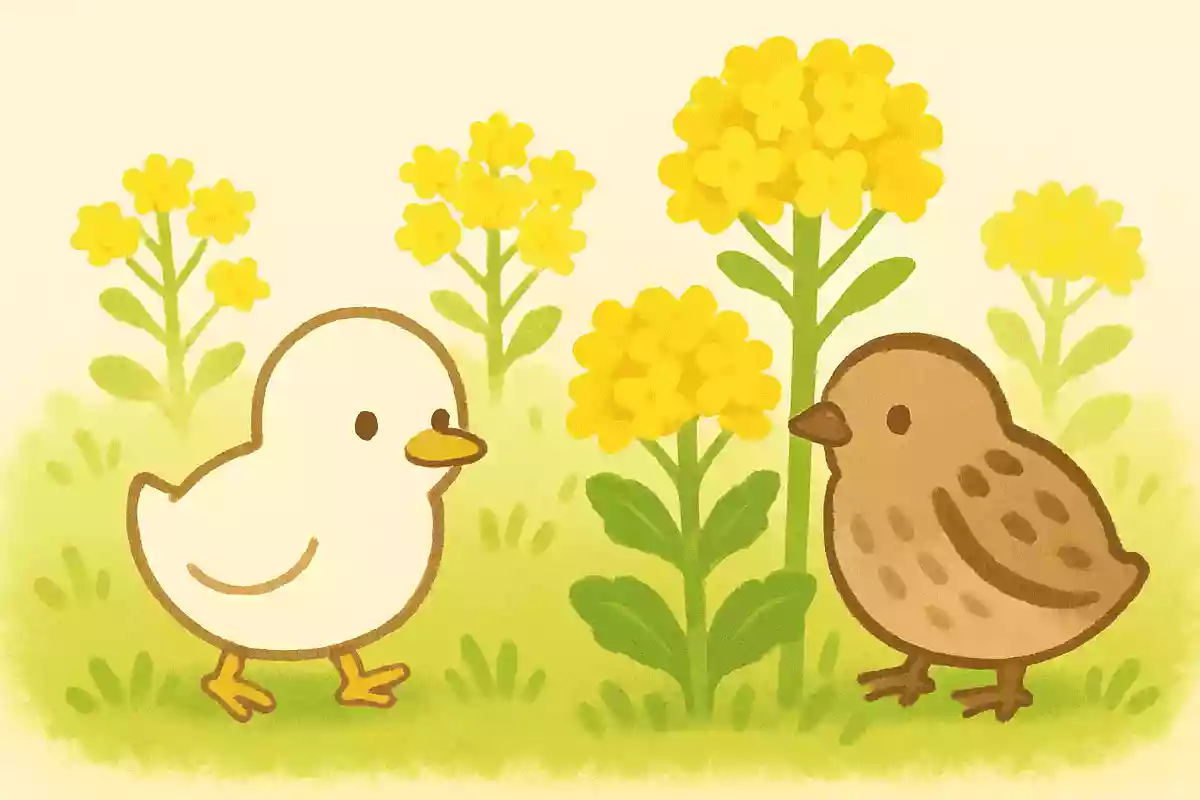

Uzura-chan and Hiyoko-chan’s playful back-and-forth makes “Uzura-chan’s Hide-and-Seek” a delight.
It’s the perfect picture book for two-year-olds who are getting into hide-and-seek.
Within the gentle, soft-colored illustrations, you’ll find a variety of motifs and creatures.
The exchanges like “Ready yet?” and “Not yet!” are heartwarming, too.
The story unfolds slowly and soothingly, so it’s great for reading again and again.
It’s also recommended as an introduction to playing hide-and-seek together with a two-year-old.
tumbling over and overblack dog
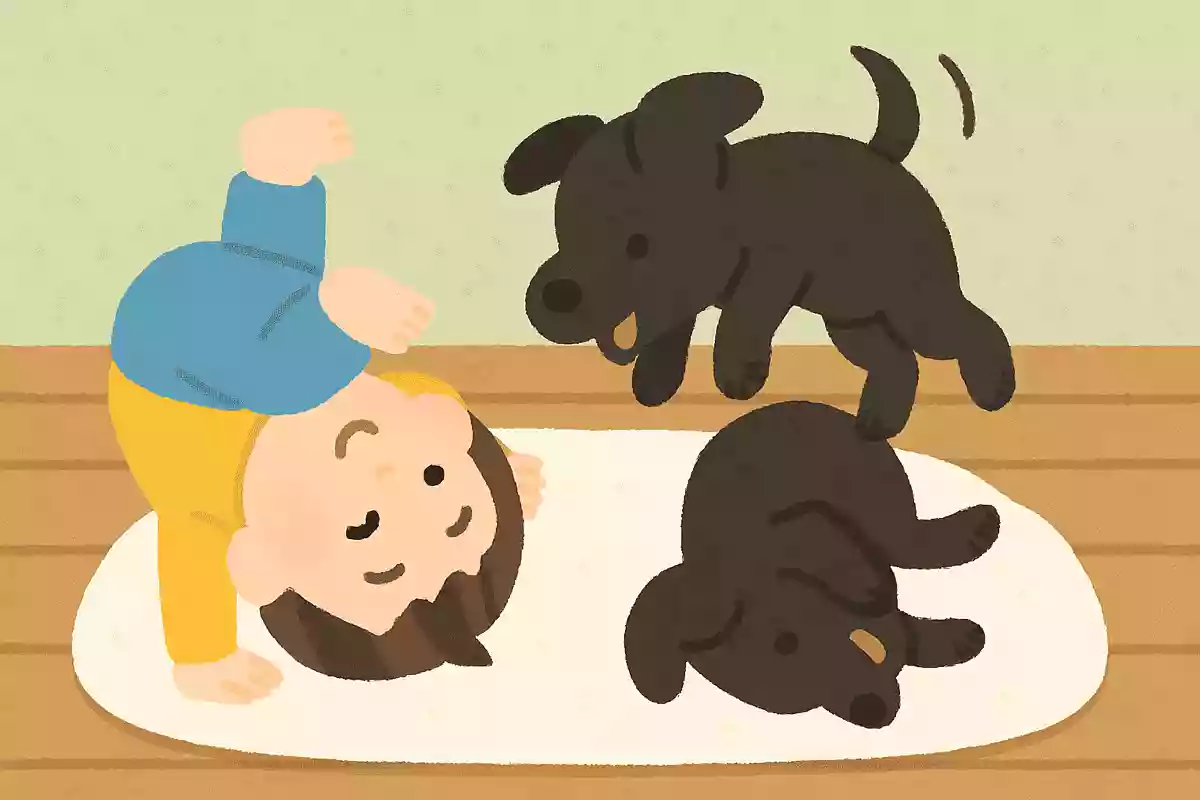

In many two-year-old classes, simple exercises are often introduced from winter to spring, tailored to the children’s ages.
Activities like somersaults and balance beams are great opportunities for children to learn how to control their bodies on their own.
In “Denguri Denguri,” animals such as cats and rabbits do somersaults together with the main character, Ken-chan.
Children will surely want to imitate them.
Why not incorporate this book into your childcare setting as one that will spark children’s interest?
Ao-kun and Kiiro-chanLeo Lionni
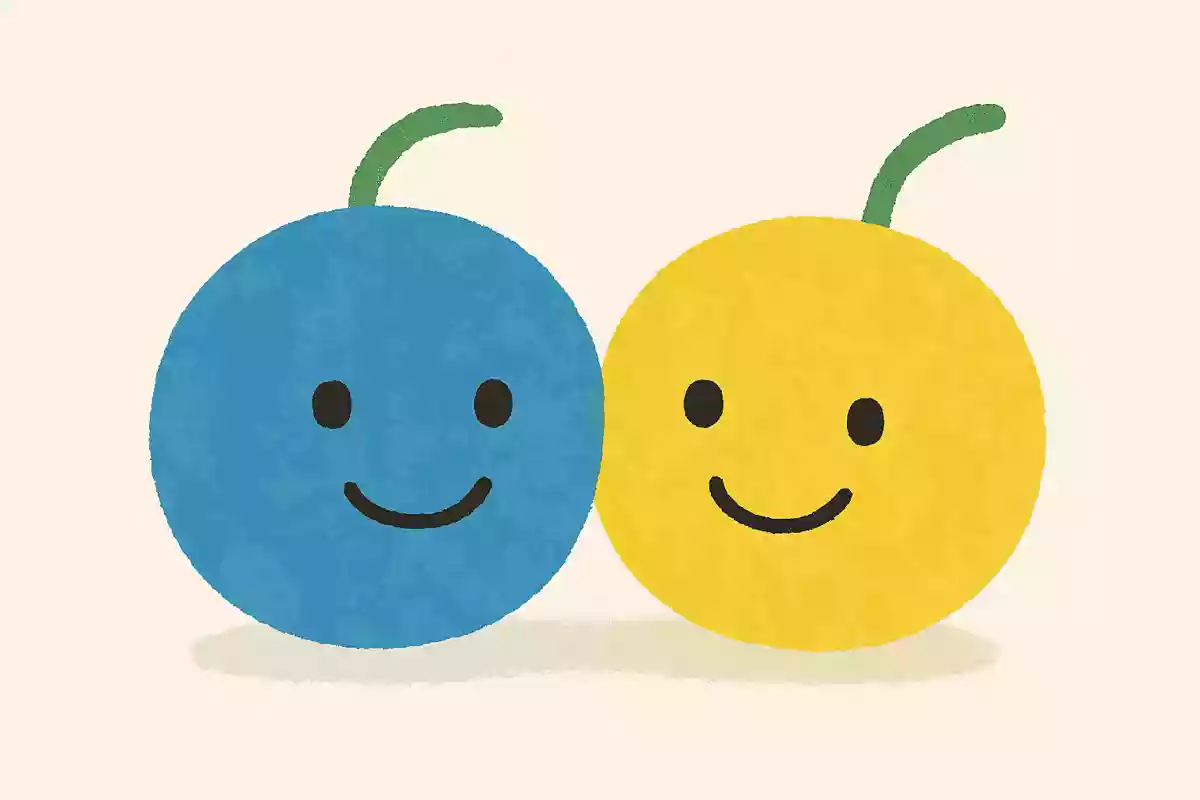

Little Blue and Little Yellow, a picture book by Leo Lionni, famous for Swimmy.
At first glance it seems like a curious book expressed with simple colors and shapes, but it’s actually incredibly profound.
Little Blue and Little Yellow are friends.
They’re so close that when they hug… they turn green! But when they’re green, their mom and dad don’t recognize them.
What will the two of them do? Children will surely empathize with Little Blue and Little Yellow’s feelings.
It’s a book that offers a chance to notice things about color and about the kindness of family.
[For 2-Year-Olds] Let’s Read Together! Recommended Picture Books for March (21–30)
Don-doko Momon-chanKazuhiko Toyoda
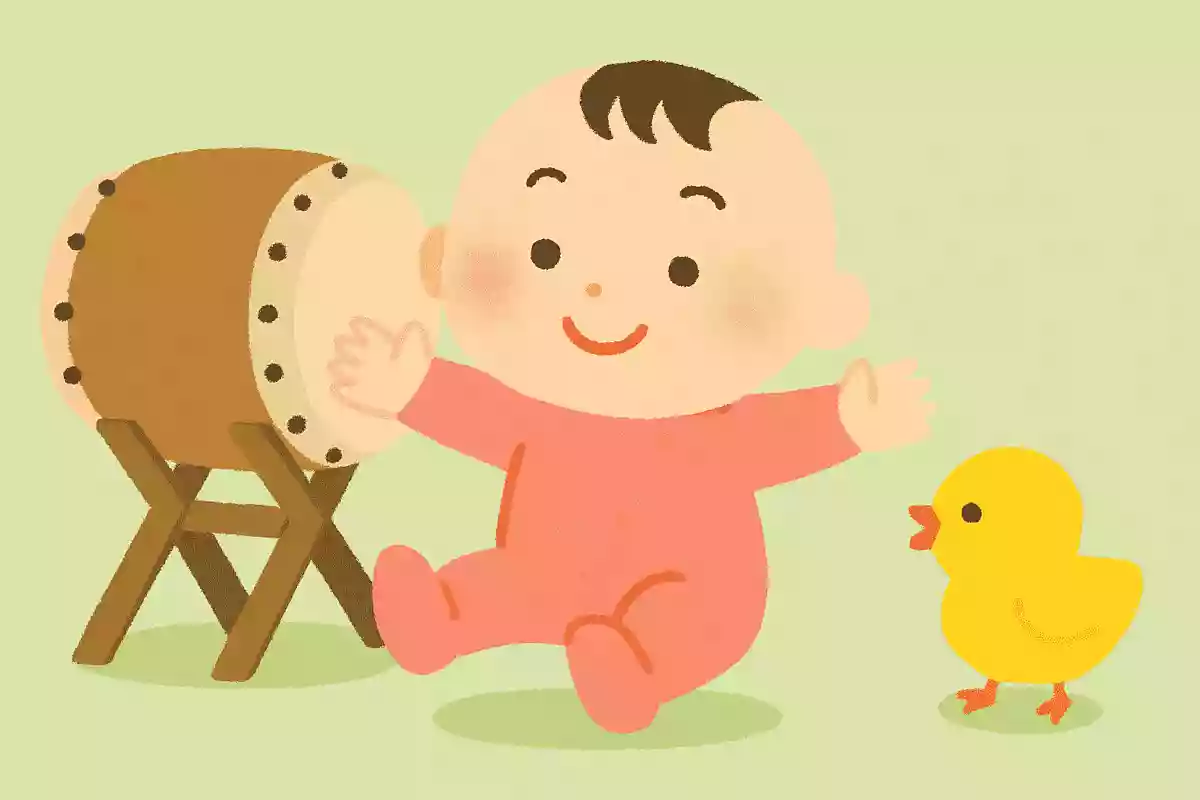

With its soft pink cover that’s absolutely adorable, “Dondoko Momon-chan” is a picture book loved even by one-year-olds.
As they listen to the rhythmic words of “dondoko dondoko,” children join in and try to repeat them.
When turning the pages, you can see their focused expressions, wondering what picture will appear next—another part of the book’s charm.
You’ll find yourself cheering for Momon-chan’s earnest efforts.
It’s recommended for a wide range of ages, from little ones to older preschoolers.