

Timeless Western pop ballads that colored the 1960s—masterpieces whose brilliance never fades.

The 1960s—when artists like The Beatles, The Rolling Stones, and Led Zeppelin were active and are still spoken of as legends today—was truly the era when a major transformation in popular music began.
Since then, countless global masterpieces have been created by various musicians, but it’s the 1960s that laid the foundation for them all.
In this feature, we’ll introduce a selection of exquisite ballads born in the 1960s!
- Back to those nostalgic days… Classic and hit Western songs of the 1960s
- [Timeless Melodies] A Collection of Classic 70s Western Ballad Masterpieces
- Classic and hit Western pop songs from the 1970s
- Great Western rock classics and hit songs of the '60s
- Recommended Western music for men in their 60s: world classics and popular songs
- [Touching the Heart] Timeless Ballad Masterpieces. A Collection of Unfading Classics and the Latest Songs [2026]
- Explore the innovative sounds and iconic songs that shaped the history of 60s bands
- [Tear-Jerking] Classic and Recommended Love Ballads
- [Nostalgic 1960s] A Collection of Classic Western Songs Recommended for Women in Their 70s [2026]
- [1980s] A Collection of Classic Western Ballads with Female Vocals
- A love song that makes a man in his sixties relive his youth. Timeless classics that rekindle the romances of those days.
- Female Singer-Songwriters of the ’60s: Popular Songs Ranking [2026]
- A classic jazz ballad from Western music. A world-famous masterpiece and popular song.
Timeless Western Ballads of the 1960s: Ever-Shining Classics (11–20)
The Sounds of SilenceSimon&Garfunkel
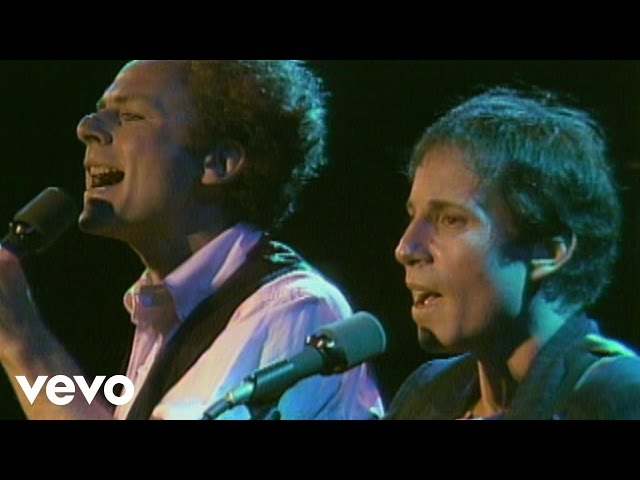
Simon & Garfunkel’s “The Sound of Silence” is an enduring masterpiece that reached number one in the United States.
Capturing the hearts of listeners, the song conveys themes of communication breakdown and introspective solitude set to a gentle melody.
Its pure harmonies elevated folk music to new heights, and they still resonate strongly within us today.
The song’s very presence can be said to epitomize the timeless allure of the ballad.
When a Man Loves a WomanPercy Sledge

In 1966, a landmark year in the history of popular music, Percy Sledge’s “When a Man Loves a Woman” captured people’s hearts with his powerful vocals.
Its lyrics and melody, which directly convey the intense emotions of the time, have continued to be loved across generations.
Topping two Billboard charts, this classic has remained in people’s memories for years through commercials and countless cover versions.
The moving passion in Percy Sledge’s voice still feels fresh today, conveying the unique charm and deep sentiment of 1960s music.
An unfading, timeless ballad—that is “When a Man Loves a Woman.”
Love’s Been Good To MeFrank Sinatra

This piece, included on the album “A Man Alone: The Words and Music of McKuen,” released in 1969 by Frank Sinatra, one of the defining singers of the 20th century, is a ballad that gives voice to the works of poet Rod McKuen.
Its lyrics are memorable for quietly expressing gratitude for love encountered along the way while reflecting on a lonely life as a traveler.
Weaving in place names like Denver and Portland, it recounts episodes of partings and meetings.
Don Costa’s restrained orchestration and the resonance of the strings highlight Sinatra’s conversational vocal delivery, and the song became a hit, reaching No.
8 on the UK charts.
It’s a recommended track for those who have journeyed through life or for times when you want to immerse yourself in music on a quiet night.
Strangers In The NightFrank Sinatra

Frank Sinatra’s signature work released in 1966 distills the allure of the MOR genre.
Set against sophisticated strings and horns, this piece quietly portrays the emotions of two people who meet by chance on a city night—a gem of a love ballad depicting mature romance.
Sinatra’s seasoned voice envelops the listener with an intimate, conversational warmth, and the “doo-be-doo-be-doo” line near the end provides a memorable accent.
Originally an instrumental composed by Bert Kaempfert for the film A Man Could Get Killed, it was quickly fitted with English lyrics and recorded.
Winning Record of the Year at the 1967 Grammy Awards, this track is perfect for unwinding after work or savoring a quiet evening.
Suspicious MindsElvis Presley

A masterpiece that fuses an unforgettable, catchy melody with a soul-stirring, dramatic narrative shines as one of the signature works of Elvis Presley, the King of Rock and Roll.
Released in August 1969, it became his first U.S.
No.
1 in seven years.
Recorded at American Sound Studio in Memphis, its sound—deftly blending country and rock—remains as vibrant as ever, continuing to captivate listeners.
Conveying the universal themes of love and doubt through Presley’s uniquely powerful vocals, this epic number offers solace and support in times of heartbreak or at life’s crossroads.
A Whiter Shade Of PaleProcol Harum
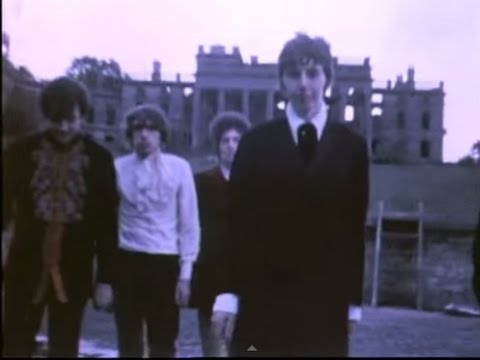
A landmark song that epitomized the innovative sound of the 1960s emerged in May 1967 from the British progressive rock band Procol Harum.
Its melody masterfully incorporates elements of Baroque music, drawing inspiration from Johann Sebastian Bach’s Orchestral Suite No.
3, and is distinguished by its dreamy organ lines.
Coupled with abstract, poetic lyrics, the piece spent six consecutive weeks at No.
1 on the UK Singles Chart.
It was later named, alongside Queen’s “Bohemian Rhapsody,” the Best British Pop Single of the Past 25 Years at the 1977 Brit Awards.
A masterpiece that opened new possibilities in the fusion of classical and rock music, it’s a track best savored on a quiet night.
Iconic Ballads of Western Music That Colored the 1960s! Timeless Masterpieces (21–30)
Mr. Tambourine ManThe Byrds
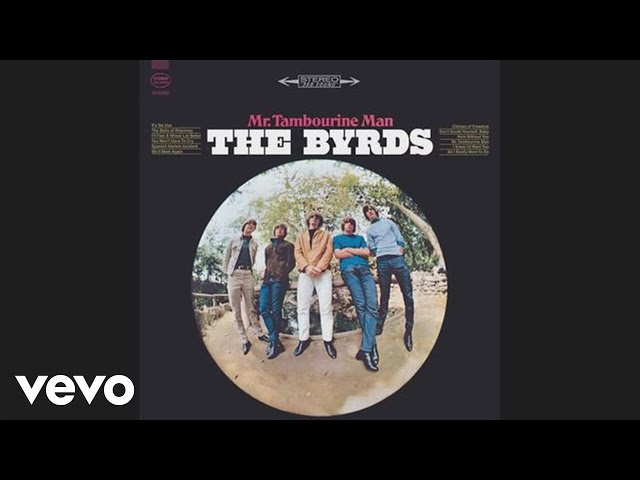
The innovative sound created by the American rock band The Byrds brought a fresh breeze to the folk-rock scene of the 1960s.
They adorned Bob Dylan’s songs with the shimmering melodies of a 12-string Rickenbacker guitar and rich harmonies, brilliantly fusing rock and folk.
Released by Columbia Records in April 1965, the work achieved the remarkable feat of reaching number one on the charts in both the United States and the United Kingdom, and has appeared in numerous works, including the film Dangerous Minds and Stephen King’s novel Carrie.
It’s a perfect track for spending a pleasant time—whether on a peaceful afternoon drive or at a relaxed home party with friends.