

A roundup of debut songs by Japanese female artists from the 1970s

The 1970s was a time in Japanese music history when a wide variety of female artists—singer-songwriters and idols alike—burst onto the scene, bringing vibrant color to the world of Japanese pop.
From towering figures like Miyuki Nakajima and Yumi Arai to stars such as Mari Amachi, Momoe Yamaguchi, Pink Lady, and Candies, this golden era produced one beloved classic after another.
Is there a debut song from those days by a female artist that still resonates with you? In this article, we’ll introduce the memorable debut tracks of the women who blazed through that dazzling decade.
- 1970s Female Singer-Songwriters: Popular Songs Ranking [2026]
- Nostalgic Japanese hit songs from the 1970s: the golden age of idols and kayōkyoku (Japanese pop songs)
- Debut song of a 1970s idol
- Classic and hit songs by nostalgic Japanese idols from the 1970s
- Top 1980s Female Singer-Songwriters: Popular Songs Ranking [2026]
- [1970s] Collection of Japanese hit songs. Nostalgic masterpieces of Japan
- Debut songs by female artists from the 1980s
- [Showa Kayō] A roundup of Japanese love songs that hit in the 1970s
- [70s Western Music] Timeless Masterpieces and Popular Songs by Female Singers
- [1970s] Classic and hit songs of Japanese rock that blazed through the dawn era
- Female Singer-Songwriters of the ’60s: Popular Songs Ranking [2026]
- Cool songs from the Showa era. Masterpieces from Showa that shine with sensuality, passion, and rugged charm.
- Debut songs by Japanese female artists [Shocking hits & must-know classics]
Debut Songs of Japanese Female Artists from the 1970s (1–10)
No reply needed.Arai Yumi

This is the memorable debut single by Yumi Arai, known as Yuming, who would go on to lead the later J-POP scene.
Produced by Hiroshi Kamayatsu, with illustrious musicians like Yukihiro Takahashi participating, it’s an astonishingly polished track for a debut.
Its light, American rock-style sound pairs perfectly with her urbane, slightly cool vocals.
The lyrics, in which she senses the end of a romance and draws the curtain herself by saying “I don’t need an answer,” also feel like a brave front masking held-back loneliness.
That precocious sensibility may well have been the glimmer of the talent that would later give rise to countless masterpieces.
I’m crazy about you.kyandīzu

This is the landmark debut single by Candies, the three-member idol group that took Japan by storm in the 1970s.
Even the title, “Anata ni Muchū” (“Crazy About You”), is so straightforward and adorable! The fluttering excitement of a brand-new romance is brilliantly captured in its lively, up-tempo melody.
Listening to the refreshingly pure harmonies of Ran, Miki, and Sue, you can’t help but find a smile spreading across your face.
The song is packed with the fresh, unpolished charm of the group who would later become national idols—like a sparkling raw gem.
It might even bring back memories of that pure, all-consuming feeling you had when someone special was always on your mind.
Yearning Soaked in Rainchiaki naomi

Naomi Chiaki, whose song “Kassai” was a massive hit.
From her debut up to her breakout hits, she made a deeply striking impression that seared itself into my memory.
Her vocal ability is highly acclaimed, and the way she sings—both meticulous and passionate—makes her presence truly dignified.
Debut Songs of Japanese Female Artists from the 70s (11–20)
age; the age range typical for adolescence or a particular stage in lifeYamaguchi Momoe

This is the memorable debut single of Momoe Yamaguchi, born from the show “Star Tanjō!” The lyrics were written by Kazuya Senke, with composition and arrangement by Shunichi Tokura.
It was a launch that carried the full weight of expectations as “the big Sony, the big new star.” The refreshing melody that evokes a sea breeze and the lyrics about a 14-year-old girl’s pure feelings of first love are a perfect match.
The moment you become aware of the one you like, the world suddenly looks more vivid—this song brings back that fresh, innocent sensation.
Precisely because this song existed, the shift in her subsequent works toward the slightly darker ‘Aoi Sei’ direction may have appeared all the more dramatic.
The crimson moon at twilightJudi Ongu
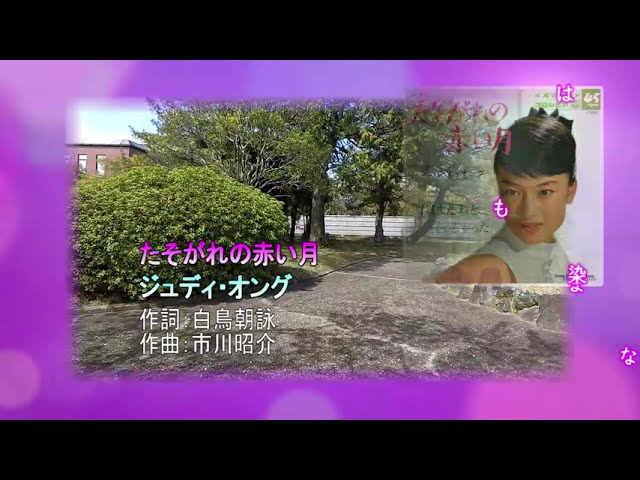
Judy Ong became a sensational hit with “Miserarete,” and her beautiful costumes, striking looks, and wonderful vocal ability made her very popular.
She was active in Japan despite coming from overseas, spoke Japanese well, and built a truly global career.
It’s likely no one expected that at the time of her debut.
Back then, I wasiruka

This is Iruka’s memorable debut single, released in 1974 when she began her solo career after the breakup of the Shrieks.
The lyrics and music were written by Shozo Ise of Kaguya-hime, marking the start of a brilliant career that would lead to a major hit the following year.
The gentle tones of the acoustic guitar evoke scenes from days gone by.
Now that we’re adults, we can understand the struggles born of youth and the vague anxieties about the future.
Many listeners may find themselves overlaying their own adolescence onto the “me back then” portrayed in the lyrics.
Iruka’s clear, transparent voice feels as if it affirms the slightly overreaching version of ourselves from that time, leaving our hearts warmly comforted.
Even if love diesYashiro Aki

This is the landmark debut single of Aki Yashiro, affectionately known as the “Queen of Enka.” Released in 1971, the song grabs your heart right from its striking opening phrase.
The unwavering, passionate feeling—choosing death over losing love—is delivered with heartrending intensity through that already fully formed husky voice from her debut days.
The expressive power she honed during her time as a club singer seems to meld perfectly with the dramatic melody, which evokes the atmosphere of a city after nightfall.
Perhaps the depth of emotion imbued in this song helped pave the way for her to become one of the greats.