


The year 1990, which marked the beginning of the Heisei era, saw the emergence of numerous female artists on the music scene, leaving a significant legacy in Japan’s music world thereafter.
Many were recognized as powerful talents from their debut and etched brilliant records in Japanese music history, with some still active on the front lines today.
The distinctive voices and highly original debut songs of these artists are surely still etched deeply in the hearts of many people.
- Ranking of Popular Songs by Female Singer-Songwriters of the 1990s [2026]
- Debut songs by female artists from the 1980s
- Debut songs by female Western artists from the 1990s
- Debut songs by Japanese female artists [Shocking hits & must-know classics]
- Debut songs by Japanese female artists from the 2000s
- A roundup introduction to the debut songs of female idols who debuted in the 2000s!
- Songs for Women in Their 30s to Sing: A Collection from the 90s to 00s
- Nostalgic Yet Everlasting: Classic Hits by 1990s Idol Singers
- [Healing & Cool] Female Vocalists with Captivating Husky Voices
- A 90s girls' band. A popular Japanese band.
- [J-Pop] Debut songs by male solo artists from the 1990s
- Breakup songs by female artists recommended for the yutori generation
- Packed with masterpieces! Karaoke songs recommended for women of the Yutori generation
Looking back at the finest debut songs by female singers who debuted in 1990 (1–10)
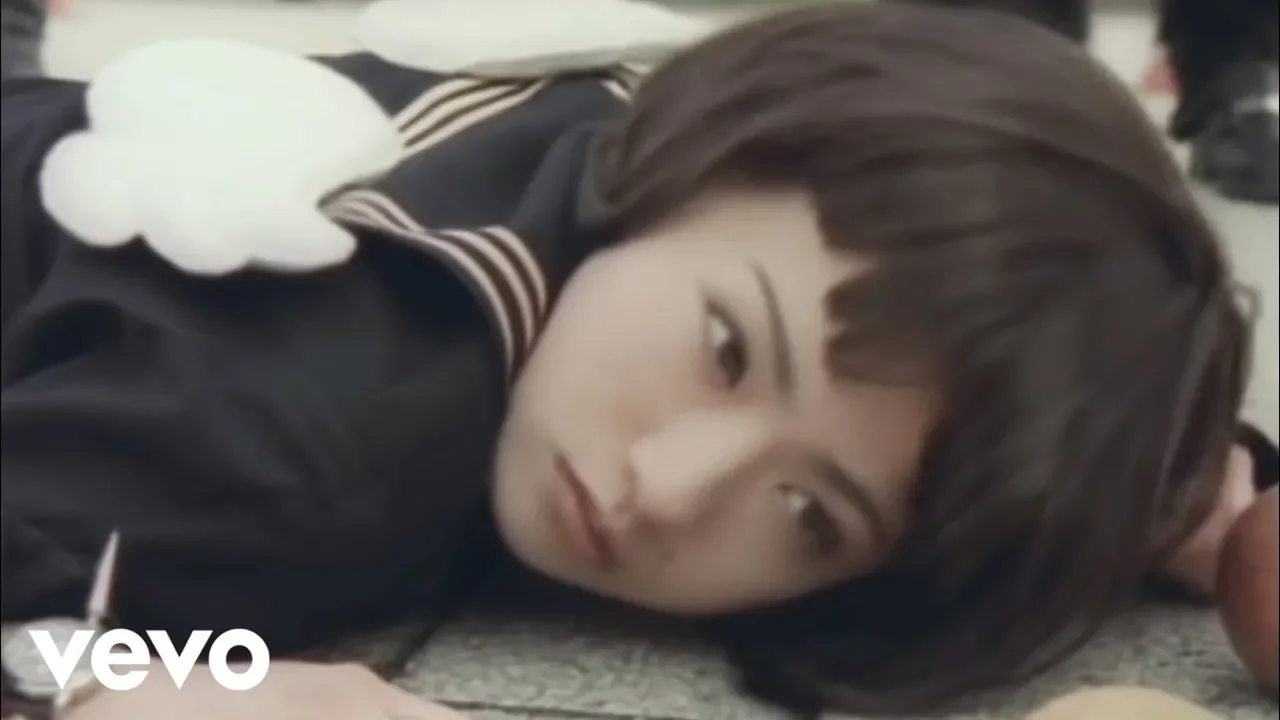
The Theory of HappinessShiina Ringo

Compared to Shiina Ringo’s later work and songs, her debut track leaves quite a different impression.
Even so, this “Fortune Theory” is also one of her popular songs.
The lyrics were written based on her own romantic experiences.
And the distinctive direction of the promotional video likewise showcases her extraordinary talent.
Good bye My LonelinessZARD
The debut single by the legendary artist ZARD, whose absence I still can’t believe.
Even at this early stage, you can already hear Izumi Sakai’s fully developed singing voice.
This song is also known for the unusual phenomenon that, after its initial entry, its ranking on the Oricon charts kept rising as time went on.
Love, Day After TomorrowKuraki Mai

Mai Kuraki’s debut single was, for a while after its release, noted for its similarities to Hikaru Utada.
However, the quality of their vocals is quite different, and I think the resemblance is limited to the programmed R&B-style arrangement.
This song, in its own right, feels very fresh and vibrant.
Keep Yourself AliveKahara Tomomi

Their debut song produced by Tetsuya Komuro.
It seems Ms.
Kahala herself requested that the melody be set quite high, and indeed it’s a song that’s rather hard to sing at karaoke.
It went on to sell several hundred thousand copies in total, and you could say its sound fit the era perfectly.
Poker FaceHamasaki Ayumi
In their prime, they were characterized by Americanized celebrity fashion and song structures, but around this time their voice, though leaning husky, conveyed a pure sense of transparency.
Additionally, prior to that they were engaged in so-called idol activities, which feels very much of its era.
Season of the SunAmuro Namie

This song is her first track after switching from Super Monkey’s to a solo career, effectively serving as her debut.
Since it’s a Japanese cover of a well-known Eurobeat song with virtually the same arrangement, it gives the impression that expectations may not have been very high.
Even so, the sharpness is remarkable, and her later success makes perfect sense.
AutomaticUtada Hikaru
This is the lead single that went on to achieve sales figures that set a Japanese record for a debut album—numbers that will likely never be surpassed.
Many people probably still haven’t forgotten the shock it caused.
I believe the reason is not simply that it mimicked American programmed R&B, but that it also retained a hint of the kayōkyoku (Japanese pop) vibe.