

Calling all thirty-somethings! Nostalgic anime (based on the 1990s)


Anime, a cultural treasure Japan has long been proud of and beloved for many years.
It’s not unusual for massive hits to emerge every year, and sometimes we see booms that come to symbolize an era.
Perhaps some of you even started something new because you were inspired by anime.
In this article, we’re highlighting classic anime that people in their 30s will likely find nostalgic!
Our focus spans the 1990s, with picks from the late ’80s through the mid-2000s.
Some of these titles are available on YouTube, so take your time and enjoy watching them.
- [Nostalgic] Classic and Popular Anime Songs Recommended for People in Their 30s
- [Anime Songs] Anime tracks recommended for men in their 30s to sing at karaoke
- Masterpiece anime that Heisei-born people feel nostalgic about
- Anime songs that were hits in the 1990s. Recommended masterpieces and popular tracks.
- An anthem for your 30s. Beloved and popular songs that are both heart-pumping and heart-fluttering.
- Anime songs recommended for people in their 40s, from nostalgic classics to the latest hits.
- For men in their 30s: Nostalgic music. Recommended popular songs
- Recommended popular anime from the 2000s
- Anisongs that were hits in the 2000s: a nostalgic collection of legendary tracks
- A roundup of songs for men in their 30s to sing [’90s–’00s tracks]
- Calling all 20-somethings! A roundup of nostalgic anime from the 2000s to the 2010s
- Recommended anime songs for people in their 50s. Classic and popular anime theme songs.
- [Nostalgic] A roundup of anime songs and theme songs that were hits in the 1980s
Calling all thirty-somethings! Nostalgic Anime Memories (1990s-based) (21–30)
Atashin’chi

Atashin’chi is a slice-of-life anime that began airing in 2002.
Its story depicts relatable family moments and heartwarming everyday life.
Even if you’ve never watched it, you might still recognize the protagonist’s mother, who leaves a strong visual impression.
If you’re looking to relax while watching an anime, definitely give it a try.
And if you like it, check out the movie version as well.
It features a larger-scale story that differs from the TV series.

Little Rich Boy
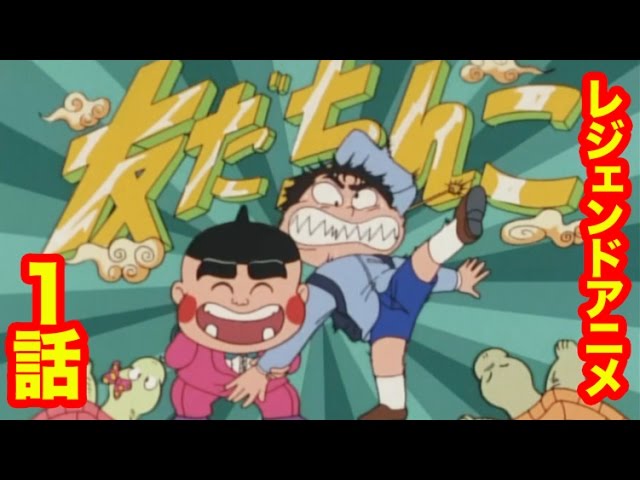
This work, which began airing in 1989, is based on a gag manga serialized in Monthly CoroCoro Comic by Yoshinori Kobayashi.
It’s a series that has been talked about for years for its exaggerated portrayal of the wealthy and for its many risqué jokes—some of which were even banned from broadcast.
The protagonist, Obocchama-kun, stands out with his striking appearance and outrageous behavior, which bring a lively flair to the show.
Centered around gag humor with adult jokes, it also became legendary for things like struggling to secure sponsors.

Calling all thirty-somethings! Nostalgic anime (1990s-based) (31–40)
Magic Knight Rayearth

The anime Magic Knight Rayearth is a fantasy series based on CLAMP’s manga.
It depicts three girls who are summoned to an alternate world called Cephiro and set out on a journey as Magic Knights to save it from crisis.
Set in a realm of swords and sorcery, the story’s appeal lies in how the girls fight and grow.
Another highlight is the beautiful artwork characteristic of CLAMP’s works; the delicate designs further accentuate the worldbuilding.
Along with its theme song, “Yuzurenai Negai” (Unyielding Wish), it’s a title that has surely left its mark on anime history.
Revolutionary Girl Utena

Revolutionary Girl Utena, which aired in 1997, is a work that depicts the struggles of a girl named Utena Tenjou, who admires princes and wishes to become one herself.
Beyond its experimental direction and avant-garde visual expression, it drew attention for exploring universal and profound themes such as adolescent turmoil, sexuality, and questioning established values.
Perhaps the greatest appeal of the series lies in the human drama woven by its distinctive characters, including the protagonist Utena and Anthy.
Even those who found it hard to understand at the time may discover new insights when they revisit it as adults.
DRAGON QUEST – The Adventure of Dai –

It’s a manga serialized in Weekly Shonen Jump based on the world and setting of the game Dragon Quest.
The anime aired from 1991 to 1992 and has continued to be beloved not only in Japan but around the world.
A key point of interest was how battles in Dragon Quest were depicted, bringing realism to game systems whose movements had previously been unclear.
A new anime adaptation was produced in 2020, and combined with the work’s high quality, it drew significant attention.
China’s Number One!

Cooking Master Boy depicts Mao, a young chef and the protagonist, as he travels across China, growing through a series of culinary duels with his rivals.
As a cooking anime focused specifically on Chinese cuisine, it offered viewers the joy of discovering new dishes.
Its appeal lies not only in its inventive culinary ideas but also in its distinctive cast of characters—like martial artist–type figures who create delicate dishes, a contrast that adds excitement to the story.
The blend of passion for cooking and action-like cooking scenes draws you deeply into its unique world.
Ah! My Goddess

This work depicts the relationship between the goddess Belldandy, who came down from the heavens, and the protagonist, Keiichi Morisato, who accidentally summoned her via a misdialed phone call.
Centered on the extraordinary entering everyday life and the various commotions that ensue, it focuses on culture-clash slapstick and romantic comedy.
Following the release of the OVA in 1993, it also spawned a TV anime and a feature film, which speaks to its popularity.
Its lively atmosphere—mixing sci-fi elements inspired by Norse mythology with everyday slapstick comedy—might seem eclectic, but that very bustle is one of the work’s major charms.