

Spring songs that were hits in the 90s. Classic and popular tracks from Japanese music.


There are lots of songs about the seasons, but there are especially many that sing about spring.
Of course there are songs about cherry blossoms, a symbol of spring, and there are also many that reflect on the warm, comfortable season itself.
Spring is also a time when many people experience farewells and new encounters, and it marks the start of new chapters in life, so there are plenty of graduation and encouragement songs as well.
In this article, we’ll focus on songs with themes associated with spring that were hits in the 1990s.
It’s a collection packed with nostalgic spring tunes, and among them are timeless classics that people still hear often today.
Let’s listen together!
- [Spring Songs] Masterpieces to Listen to in April: Classic Tracks that Color the Month
- [Spring Songs Recommended for People in Their 40s] Relive Your Youth! A Selection of Nostalgic Tracks
- [Spring Songs Born in the Showa Era] A Curated Selection of Kayōkyoku That Colored the Times and Timeless Classics Still Sung Today
- Masterpieces that colored the spring of the Heisei era, including popular cherry blossom songs.
- [J-Pop] A Collection of Soothing 90s J-POP Hits
- [Spring Songs] Masterpieces for Mid-Spring to Listen to in March. Spring Tunes
- [2026] Cherry Blossom Songs to Hear in Spring: A roundup of classic J‑Pop hits about sakura
- [Spring Songs Recommended for People in Their 30s] Carefully Selected Nostalgic Classics & Big Hits
- A graduation song released in the 1990s. A memorable classic that accompanies the graduation season.
- A coming-of-age song that was a hit in the ’90s. A classic and popular track in Japanese music.
- [Karaoke Songs for May] A list of classic tracks that capture the lingering spirit of spring and the arrival of early summer
- Youth songs you want to listen to in spring. Classic and popular spring songs.
- Moving songs to listen to in spring. Classic and popular spring tracks.
Spring songs that were hits in the '90s. Classic and popular Japanese songs (31–40)
I should be able to fly (in the sky).supittsu
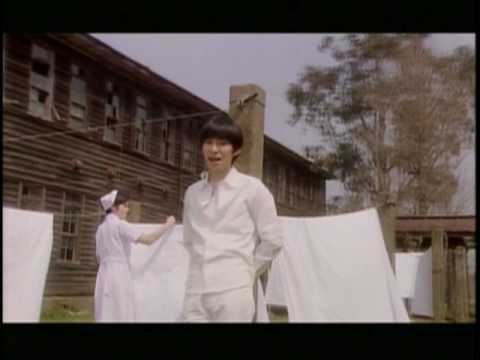
The eighth single by Spitz, a four-piece rock band that released iconic 1990s songs like “Robinson” and “Cherry.” Used as the theme song for the TV drama “Hakusen Nagashi,” it has come to be widely recognized as a graduation song due to the drama’s image.
With an intro that opens on a striking guitar phrase and a lyrical melody, the arrangement beautifully evokes the feeling of spring.
It’s a spring song that represents the 1990s J-pop scene and is loved across generations.

STARTJUN SKY WALKER(S)

“START” is a song released by JUN SKY WALKER(S), a rock band formed in 1980.
The album START, released in 1991 and featuring the song, topped the Oricon charts and propelled the band to stardom.
As the album’s title track, the song was also released as a single, used in a Lawson commercial, and even adopted as the walk-up music for Orix Buffaloes professional baseball player Shinji Takahashi.
It’s a perfect cheer song for spring, when many people are starting a new chapter in life!

Come, springHirose Kōmi

One track by Kohmi Hirose from the December 1994 album “Harvest” is a gem that vividly portrays the complex realities of modern women’s love lives and careers.
It skillfully weaves together the shifting emotions of a single woman—expectations of becoming a full-time homemaker, a sudden heartbreak, immersion in her career, and the hope for new love.
The emotional trajectory from a love-first mindset to single-minded dedication to work, and then to awaiting a spring-like new encounter, is expressed through powerful vocals and a bright melody line.
This work is a heartwarming anthem that gently supports everyone striving forward while grappling with love and work.
RomanceHarada Tomoyo

Actress and singer Tomoyo Harada.
Her 1997 release “Romance” is a legendary ’90s hit that stayed on the Oricon charts for 11 consecutive weeks.
The song’s springlike, cheerful feel and her gentle voice are its charms.
She isn’t the type who impresses with overwhelming vocal power; her strength lies in a natural singing style.
The vocals are double-tracked, giving it a uniquely pleasant sound.
This recording technique was commonly used in the ’90s, so it also carries a nostalgic vibe!

bubble; ephemeral; transient (like foam)Cocco

An album track by Cocco, whose unique worldview is captivating.
The string tones and the wistful atmosphere leave a strong impression.
Drawing on the Hikan-zakura, the earliest-blooming cherry blossoms in Japan mentioned in the lyrics, it evokes scenes of Okinawa.
It is included on Kumuiuta, which also features the major hit Tsuyoku Hakanai Monotachi.

Spring songs that were hits in the ’90s: Classic and popular Japanese tracks (41–50)
See, spring has come.ushirogami hikaretai

A refreshing song celebrating the arrival of spring has been delivered by Ushirogami Hikaretai.
It expresses the exhilaration and anticipation that come with the changing seasons, set to a bright and lively melody.
The lyrics leave a strong impression with their gentle sensitivity to the love and happiness overflowing in nature—spring’s buoyant warmth, the murmur of a brook, and the hope of new romance.
The track was used as the opening theme for the Fuji TV anime “Tsuideni Tonchinkan,” and after its release in February 1988, it reached No.
6 on the Oricon chart.
It’s a song you’ll want to hear at the start of a new season, a work that lingers in the heart along with fond memories.
Robinsonsupittsu

Known as a classic song about spring, this is one of Spitz’s signature tracks.
The bittersweetness and anxiety that arrive with the start of a new season are universal emotions everyone has felt at least once.
Lyrics depicting the protagonist’s longing love and a special world for just the two of them seep into the heart, carried by a clear, translucent melody.
Released in April 1995, it sold over 1.62 million copies.
It was also included on the album “Honey” (Hachimitsu) and won the Excellence Award at the 37th Japan Record Awards.
It’s a recommended song when you want to look back on memories of your youth or reflect on relationships with those dear to you.