



Timeless sayings from the Analects—such as “Know yourself” and “To learn and at due times to practice what one has learned”—continue to resonate with countless people more than two millennia later.
The teachings Confucius left behind serve as signposts that blow away our doubts when we stand at life’s crossroads.
Whether it’s work, relationships, or personal growth, they offer strikingly precise answers to the problems we face in the modern world.
Why not seek hints to enrich your life in the Analects’ maxims—simple yet filled with profound wisdom?
- Famous quotes that became life hits, left by Confucius, the founder of Confucianism.
- Enriching Sayings of Mencius: A Collection of Words to Guide Your Life
- Live life positively! The importance of greetings and inspiring quotes as told by great figures
- Cherish each and every day! Let your life shine with profoundly moving, supreme quotes.
- If you know them, they might become beacons that light your life’s path: a collection of memorable quotes.
- Beautiful words by great and famous people that illuminate life
- Words from famous people that I’d like to adopt as my motto. Inspiring quotes that convey the power of words.
- Heartwarming words, a single phrase gently lights up your tomorrow.
- What words make you happy to hear in the morning? Heartwarming phrases that can make you smile every day
- Become positive with four-character idioms that resonate with the heart! Common yet deeply meaningful words.
- Gems of famous quotes give us insights—words that move the heart and stir the soul.
- If you know them, they’ll surely guide your life! Important words to etch into your heart
- Short Korean quotes that resonate with the heart: words that can change your life.
A guide to life led by famous sayings from the Analects: Confucius’s moving teachings (1–10)
Learning the basics first to attain higher wisdom

The meaning of this proverb is that by learning from familiar, accessible things, you gradually arrive at deeper scholarship.
In music, for example, you might imagine that while practicing scales and rhythm, you gradually become able to do more and more.
In any field of study, the ultimate destination can sometimes be similar, so once someone has reached the pinnacle in one area, they may improve more quickly in others as well.
Why not start with a small, nearby step toward something you’d like to learn, too?

Too much is as bad as too little.Confucius
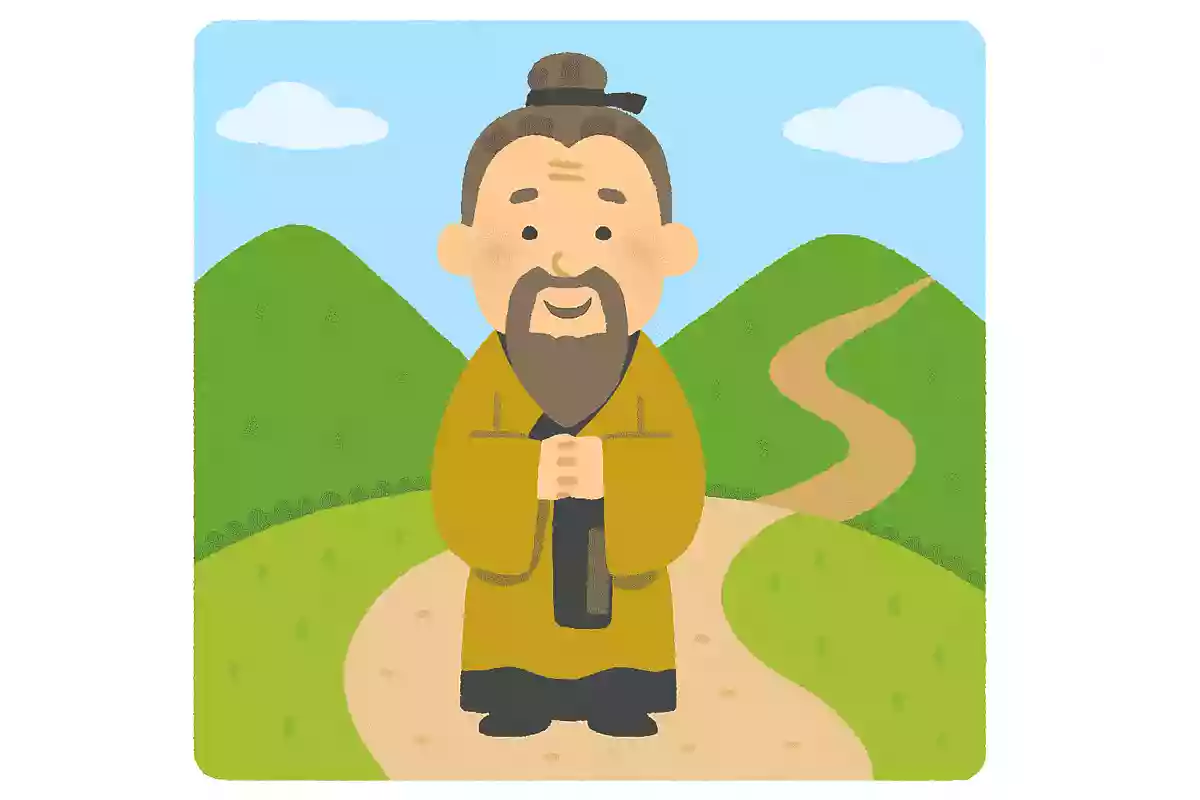
In Japanese, this is read as “Sugitaru wa nao oyobazaru ga gotoshi,” which conveys that doing too much is worse than not doing enough, and that overdoing something can even lead to bad outcomes.
Indeed, it’s common to tinker too much and throw things off balance, or to speak too much with good intentions and end up damaging a relationship.
It is a proverb that advocates moderation—the spirit of the golden mean.
If you have a tendency to overdo things, keep this saying in mind.
Those who lack the strength fall away midway. Now, you have drawn (it).Confucius

The words said to have been spoken by Confucius to his disciple Ran Qiu: “Those who lack strength give up halfway; but you, now, have drawn your own line.” In other words, if you truly lack the ability, you may quit partway through, but the reason you’re not moving forward now is that you’ve decided on your own limits before even trying.
Everyone has likely experienced thinking up reasons they can’t do something and being unable to take the first step.
Once you start listing reasons why it can’t be done, they become endless—this famous saying teaches the importance of thinking instead about how it can be done.

Set your aim on the Way, rely on virtue, draw upon benevolence, and take delight in the arts.Confucius
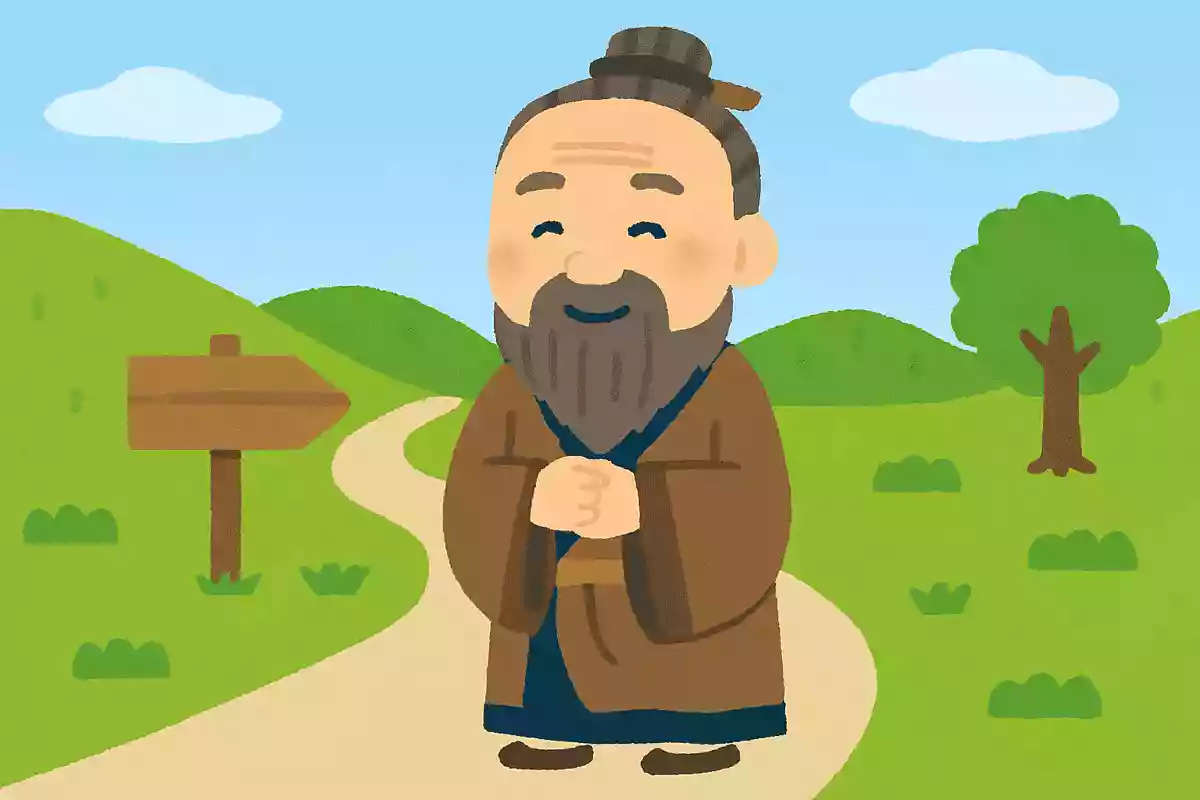
The Analects phrase “Aim for the Way, rely on virtue, abide by benevolence, and take delight in the arts” teaches an ideal way of life for human beings.
Put in modern terms, it means: set your sights on the right path and pursue it with purpose, follow human virtue and morality, act with compassion, and enjoy culture and the arts.
It’s certainly guidance we should keep in mind throughout life.
In today’s world, with its growing diversity of values and lifestyles, this may be a famous saying that brings us back to basics when we lose our way.
There are those who, as seedlings, do not stand out; and those who, though they stand out, do not bear fruit.Confucius
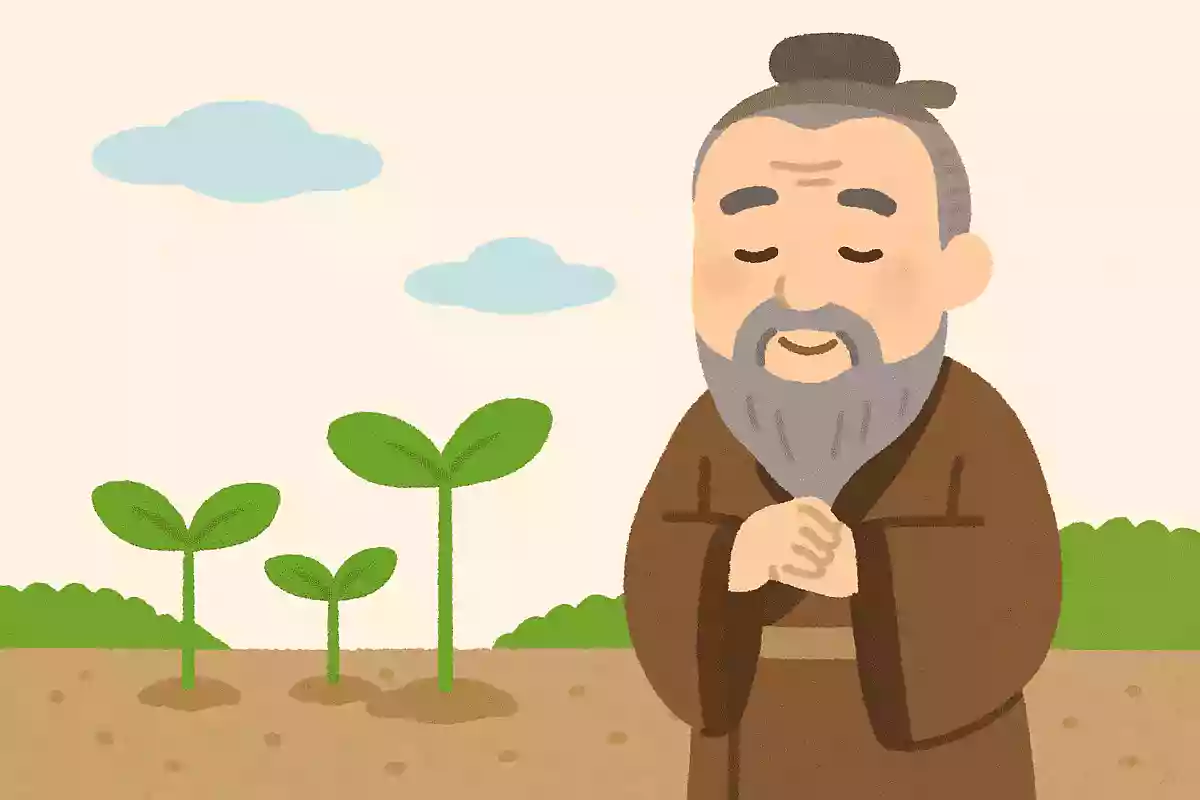
These words are said to be those spoken when Yan Hui, Confucius’s disciple famed for “hearing one and knowing ten,” died at a young age.
They express the idea that among seedlings, some, though seemingly good, will neither blossom nor bear fruit.
It is a sad but perhaps unavoidable truth that not everyone will achieve greatness; some are mourned as they fade away.
At the same time, this saying can be read as an exhortation that even those with talent must not neglect effort.
Review the old to learn the new.Confucius

In the Analects, which is the source of the four-character idiom onko-chishin (“learning from the past to understand the new”), it conveys the idea that by thoroughly studying past events and the wisdom of those who came before us, and applying them to new situations, we can solve problems effectively.
Rather than dismissing the past as merely old and rushing toward whatever is new, it’s important—in any field—to value the good things from the past that still endure today.
Even though the Analects were written long ago in a different country, they are filled with wisdom that applies universally to all things.
Know that you do not know; that is knowledge.Confucius

Here is a proverb, almost like a Zen riddle, that says: truly knowing means understanding for yourself what you don’t know.
Indeed, many ignorant people either have no idea how much they don’t understand, or only have a vague sense of it.
To clearly define that boundary is what it means to know.
And wouldn’t it be wonderful if we could then think about how to fill in the parts we don’t yet understand?