

Hall of Jazz: Classic Blue Note Records. Recommended jazz albums.

If you’ve developed an interest in jazz and picked up some classic CDs or records, you’ll likely notice that many albums have “BLUE NOTE” stamped on the jacket.
Blue Note Records is the most important label in jazz history and a legendary name admired by both aspiring jazz musicians and listeners alike.
Its stylish, timeless, and sophisticated artwork is also outstanding, and many fans want to own the records for that very reason.
In this article, we’re introducing classic jazz masterpieces released by this prestigious label.
We’re also featuring several recent standouts, so be sure to check them out!
- [Start Here] Jazz Masterpieces: A Must-Listen Album Selection
- [For Beginners] Classic Modern Jazz Albums: Recommended Records to Start With
- Start here first! Classic jazz-rock masterpieces. Recommended popular tracks.
- The Royal Road of Jazz: Classic modern jazz masterpieces. Popular tracks you should listen to at least once.
- A roundup of classic Western jazz-funk albums—from staples to the latest releases
- [2026] Jazz piano masterpieces: from standards to recent favorites
- A classic jazz-funk masterpiece. A popular recommended track that offers a different flavor from traditional jazz.
- Introduction! A collection of recommended masterpieces and standard numbers for jazz beginners
- Classic swing jazz tunes. Recommended popular songs.
- Famous jazz musicians. Players who have graced the history of jazz.
- Enchanting Improvisation: Landmark Works and Popular Albums of Free Jazz
- Acid jazz masterpieces. Recommended popular tracks.
- Famous Western jazz classics. Recommended popular songs.
Hall of Jazz: Blue Note Records masterpieces. Recommended jazz albums (1–10)
Afro Blue (Feat. Erykah Badu)Robert Glasper Experiment

Since the 2000s, Robert Glasper has drawn attention as an artist who effortlessly crosses genre boundaries in the jazz scene.
Though he began his career as a jazz pianist, his innovative approach—blending jazz with contemporary Black music like hip-hop and R&B—has captivated many listeners.
His 2012 release Black Radio is a landmark that truly showcases his talent.
Featuring star guests such as Erykah Badu and Mos Def, it presents a unique sound where jazz’s improvisational spirit and hip-hop’s groove fuse seamlessly.
Its innovation was highly acclaimed, earning the Grammy Award for Best R&B Album.
It’s a perfect recommendation for those intrigued by jazz but put off by its perceived difficulty, as well as for fans of modern Black music.
Round MidnightThelonious Monk

Thelonious Monk was a jazz pianist from North Carolina in the United States who began playing the piano at the age of six.
Because he received little formal instruction, he instead heightened his ability to grasp sound through innate intuition, which later led to him being called a genius of improvisation.
The album “Genius of Modern Music” is an essential masterpiece for understanding Monk’s early work.
Cheese CakeDexter Gordon
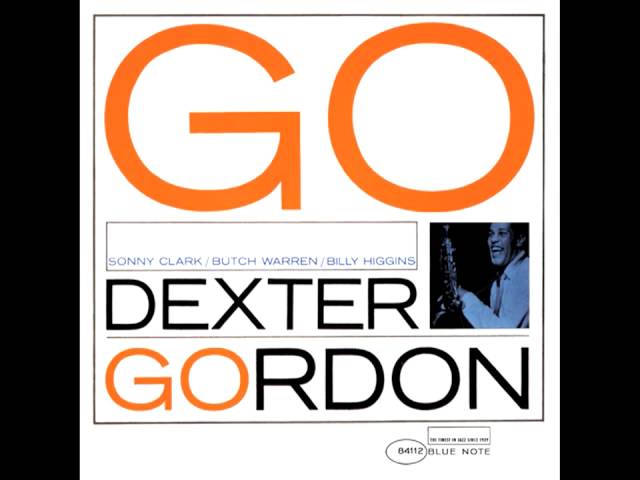
Dexter Gordon’s album “Go” is truly a masterpiece among masterpieces from a giant of the jazz world.
Released in 1962, this record lets you fully savor Gordon’s distinctive, rich tone and fluid phrasing.
The tightly knit interplay with top-tier musicians like Sonny Clark and Billy Higgins is superb, conveying the very essence of hard bop without compromise.
Spanning everything from ballads to up-tempo numbers, it’s a work I highly recommend to anyone who wants to feel the depth of jazz.
A classic brimming with adult allure—perfect for late-night listening with a glass in hand.
Hall of Jazz: Classic Blue Note Records. Recommended Jazz Albums (11–20)
The SidewinderLee Morgan

Released in 1964 by jazz trumpet master Lee Morgan, The Sidewinder is one of the most popular masterpieces ever put out by Blue Note Records.
The title track, The Sidewinder, is widely known as a jazz standard and became such a massive hit that it was featured in TV commercials and film scores at the time.
Its funky, energetic sound—classic hard bop—will captivate not only jazz fans but anyone who listens.
In addition to Morgan’s brilliant trumpet, the performances by an all-star lineup—including Joe Henderson on tenor sax and Barry Harris on piano—are major highlights.
It’s a quintessential album that showcases the true essence of jazz, and a perfect recommendation for anyone just starting to explore the genre.
CherokeeClifford Brown

Clifford Brown, the legendary trumpeter who died young at the age of 25, was a leading player of early hard bop.
His brilliant, lustrous tone captivated many listeners.
His signature albums include Clifford Brown with Strings and this Memorial Album.
Soul StationHank Mobley

Above all, the title track of the album I’m introducing—“Soul Station”—is known as one of the most popular tunes in modern jazz.
Released in 1960 by the renowned tenor saxophonist Hank Mobley, Soul Station is a masterpiece that sits among the celebrated “4000 series” in the prestigious Blue Note Records catalog.
The title track mentioned at the start is an original composition by Mobley himself, notable for its smooth, melodic saxophone tone.
Across the album, it’s packed with quintessential hard bop gems, the kind that make you feel instantly sophisticated just by listening.
By the way, Mobley also performed with Miles Davis’s band, so if that piques your interest, definitely give him a listen!
Cool Struttin’Sonny Clark

Sonny Clark was a jazz pianist from Pennsylvania, United States.
His signature album, Cool Struttin’, featuring Jackie McLean (saxophone) and Paul Chambers (bass), was released in 1958.