

Popular bossa nova songs: a roundup of recommended classic BGM

When you hear the word “bossa nova,” what kind of music comes to mind? Although it originated in Brazil, bossa nova enjoys immense popularity—especially in Japan.
Born in the 1950s, it grew into a globally popular genre thanks to legendary figures such as Antonio Carlos Jobim, Vinícius de Moraes, and João Gilberto.
In this article, we’ve researched and compiled a selection of classic bossa nova masterpieces, especially for beginners!
- [2026] A Guide to Bossa Nova: From Classic Standards to the Latest Hits!
- Perfect for café BGM! A stylish roundup of classic bossa nova songs [2026]
- A roundup of great masterpieces and popular songs of Brazilian music
- [2026] Healing Bossa Nova BGM | Compilation
- [2026] Brazil’s National Music! A Collection of Iconic and Popular Samba Songs
- A roundup of iconic bossa nova artists and singers
- Recommended Latin Music | Introducing Stylish Masterpieces
- [Stylish BGM] Carefully selected chic masterpieces to color your everyday life
- Classic salsa songs. Recommended popular tracks.
- [Western Music] Upbeat and cute songs by female artists
- Memorable masterpieces. Recommended popular songs.
- Songs that hype you up in the morning
- [BGM] Delicious Jazz Classics You’d Want to Hear in a Restaurant [2026]
Popular bossa nova songs. A roundup of recommended classic BGM (11–20)
O Grande AmorStan Getz & Joao Gilberto

One of the bossa nova classics written by Antônio Carlos Jobim and Vinícius de Moraes is “O Grande Amor.” Although it isn’t as well-known as some of their other songs, it can be considered a masterpiece that conveys an ineffable melancholy and depth within its simple structure.
Samba De Uma Nota SóTom Jobim

This playful masterpiece was created by Brazilian maestro Antonio Carlos Jobim.
From its unique opening that repeats a single note, the melody blossoms into richness, like the beginning of a romance.
You can almost see the scene: the protagonist’s heart, once filled with only one thought, gradually overflowing with love.
The piece was introduced in 1960 on João Gilberto’s album “O Amor, o Sorriso e a Flor” and has been adored by many greats, including Frank Sinatra.
Its light, stylish vibe makes for a delightful soundtrack to a leisurely day.
Preciso Aprender a Ser SóMarcos Valle

This song poignantly portrays the heartache of a breakup, as the singer tells themselves, “From now on, I have to get used to being alone.” Crafted by Brazilian music maestro Marcos Valle, this classic ballad blends the soothing rhythms of bossa nova with the refined sonorities of jazz.
His gentle vocals offer quiet comfort in the face of overwhelming loneliness.
Valle’s own rendition can be heard on the 1965 landmark album “O Compositor e o Cantor,” though the song had already gained wide popularity the previous year, when Sylvia Telles’s performance was named Best Song by a radio station.
On a quiet night when you feel like sinking into your thoughts, it just might gently permeate your heart.
Upa, NeguinhoElis Regina

Elis Regina, the legendary songstress born in Brazil.
Refusing to bow to social oppression, she delivers a powerful message—“Come on, let’s stand up”—sung over samba-jazz with punchy, unforgettable horns.
Her energetic voice and passionate rhythms fuse into a force that seems to fill listeners with boundless vitality.
The song originated as a number in the 1965 stage production Arena Conta Zumbi, and later became widely known through releases such as the live album Dois na Bossa No.
2.
Isn’t it the perfect anthem for times when you want to fire yourself up or need a push forward?
Samba da BençãoSamba da Benção
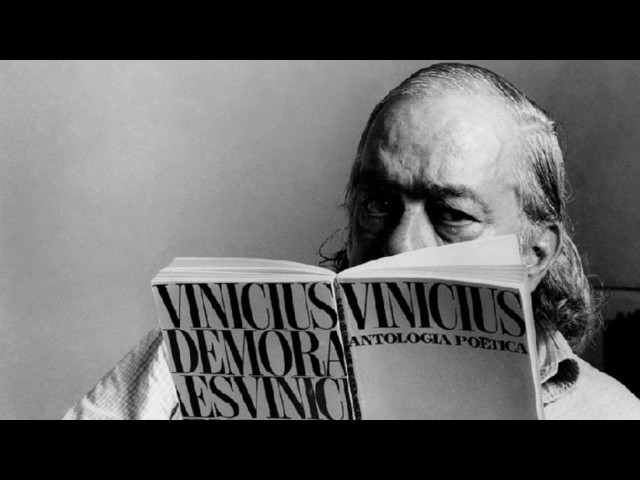
Also known in Japan by the title “Sanba no Shukufuku,” “Samba da Benção” is one of the most famous and important songs in bossa nova history.
With magnificent lyrics by Vinicius de Moraes—Brazil’s legendary poet who was also a singer and journalist—and music composed by Baden Powell, one of Brazil’s foremost guitarists and composers, the piece boldly fused Brazilian and African culture and roots into bossa nova, establishing the concept of “Afro-samba.” It’s a masterpiece imbued with Brazil’s history, so be sure to check it out.
Águas de MarçoElis Regina

One of the bossa nova masterpieces written and composed by Antônio Carlos Jobim, known in Japanese as “March Rain,” lyrically depicts the changing of the seasons as the long summer ends and autumn draws near.
Since Brazil is in the Southern Hemisphere, March is the opposite season from the Northern Hemisphere.
Popular bossa nova songs: A roundup of recommended classic BGM (21–30)
Mas que NadaJorge Ben Jor

It was originally a bossa nova song composed by Brazilian singer-songwriter Jorge Ben.
Later, Sérgio Mendes released a cover featuring female chorus vocals, which became a worldwide hit and made the song famous.
In recent years, it was covered by The Black Eyed Peas and became a revival hit.