

[Christmas] Classical music to listen to at Christmas: recommended sacred Christmas songs


With sparkling illuminations and decorations coloring the city, it’s hard not to feel excited—yet Christmas is originally a sacred day celebrating the birth of Jesus Christ.
In Europe, it’s common to attend Mass and spend quiet time with family.
Over the centuries, many pieces of music have been composed for Christmas.
Considering that classical music began as church music, you could say that many works are fitting; but here, we’ve gathered some especially recommended pieces.
They may not suit a glitzy party, but isn’t it lovely to let your thoughts drift to a solemn European holy night?
- [Masterpiece Classics] A special showcase of gem-like masterpieces so beautiful they’ll move you to tears
- [For Seniors] Christmas Songs That Touch the Heart: A Collection of Popular Classics and Nursery Rhymes
- Disney songs to listen to at Christmas: a collection of classics that color the holiday season
- Songs we want children to listen to! Recommended Christmas songs and nursery rhymes
- [2026] Songs of Santa Claus: A roundup of classic Santa tracks to enjoy at Christmas
- Recommended for Christmas posts! Songs you can use for Instagram Reels
- A roundup of popular Christmas songs on YouTube Shorts!
- Christmas Love Songs: Romantic Tracks to Listen to on a Holy Night
- Classic Christmas Songs That Resonate with the Hearts of Those in Their 80s
- [For people in their 90s] Recommended Christmas songs: from nostalgic school songs and hymns to timeless classics
- [Violin] A curated selection of beloved classic masterpieces and popular pieces that continue to be cherished across eras
- [Christmas Songs] Christmas songs to sing with children
- [Christmas Songs] Recommended Tracks for Instagram Stories
[Christmas] Classical music to listen to at Christmas: recommended sacred Christmas songs (1–10)
Rocking Carol

This Christmas carol originates from a Czech lullaby.
It depicts the gentle scene of rocking the infant Jesus in a cradle, and its lyrics, filled with maternal tenderness, are especially appealing.
It has long been cherished in the repertoires of churches and choirs.
In the 1960s, it drew renewed attention when Julie Andrews recorded it.
Its calm, warm melody is perfect for those who wish to spend a quiet holy night or celebrate Christmas in choral song.
It’s a piece that creates a solemn, reverent atmosphere.
In the City of DavidHenry Gauntlett
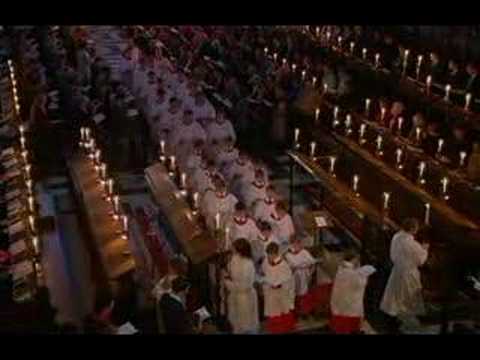
A hymn long beloved in Britain that sings of the Nativity of Jesus Christ.
It gently portrays the humility of the infant Jesus born in the stable in the City of David and the love of his mother Mary.
At King’s College, Cambridge, it has reportedly been sung since 1919 as the piece that opens the Christmas Eve service.
In Japan as well, it is included in hymnals and cherished in church Christmas services.
It is the perfect song for those who wish to welcome the holy night quietly, enveloped in a sacred atmosphere.
Symphony No. 9 “Choral,” Fourth MovementLudwig van Beethoven

Beethoven’s Ninth Symphony is considered a year-end classic in Japan.
The piece consists of four movements, with the most famous being the fourth movement, which leads into the “Ode to Joy.” It begins with powerful orchestral tones and later features the familiar “Ode to Joy” chorus.
Many people in Japan even practice singing this section as the year draws to a close.
How about enjoying this classic, filled with the hope of spending joyful days through Christmas and from year’s end into the New Year?

[Christmas] Classical music to listen to at Christmas: Recommended sacred Christmas songs (11–20)
Chorale: Jesu, Joy of Man’s DesiringJ.S.Bach

One piece from Bach’s Cantata No.
147, “Herz und Mund und Tat und Leben,” written for the service on July 2, 1723.
This day is a joyous feast known as the Feast of the Visitation of the Blessed Virgin Mary.
The work consists of ten movements, and this final movement is particularly famous.
The Japanese title “Shu yo, hito no nozomi no yorokobi yo” is derived from the English title “Jesus, Joy of Man’s Desiring.”

“Waltz of the Flowers” from the ballet The NutcrackerPyotr Tchaikovsky

One of the most popular pieces from Pyotr Tchaikovsky’s ballet The Nutcracker.
The opening harp solo is exceptionally beautiful; the melody then passes to the horn, and the strings take up a brilliant, sparkling tune.
Light and melodic in character, it’s often performed during the Christmas season.
That’s because the story follows a girl who receives a nutcracker on Christmas Eve and travels through a dream world with it.
Orchestras around the world frequently program it at Christmastime.
A highly recommended classical piece to enjoy during the holidays.
This child is truly the Son of God (the newborn Jesus).furansu min’yō

A traditional French Christmas carol filled with joy in celebration of the birth of Jesus Christ.
It originated in the 19th century and was first published in 1862.
Characterized by a bright, lively melody, the lyrics depict the birth of the Son of God foretold by prophets over 4,000 years.
While expressing wonder at His birth in the humble setting of a stable, the song praises Jesus’ beauty and the perfection of God’s grace.
Covered by many artists, including Édith Piaf and Annie Lennox, it is especially often performed during the Christmas season.
It also lends itself beautifully to the piano with its delicate tone—why not give it a try?
Let’s decorate with holly.sanbika

Deck the Halls” is one of the most famous hymns sung during the Christmas season.
Its light, lively rhythm is pleasant to the ear and helps elevate the festive mood of Christmas.
Because the piece is built around the repetition of a simple melody, it’s also recommended for beginners to practice and perform.
It may be less familiar than some other classics, but its catchy tune makes it easy to enjoy.
There’s also an orchestral arrangement by Peter Breiner—known for unique projects like “The Beatles Go Baroque”—that reimagines the piece in a Baroque style.
It’s a great recommendation for those who love orchestra and Baroque music and want to savor the Christmas spirit.
