
Eagles’ Famous Songs — From Signature Tracks to Hidden Fan Favorites

The Eagles, based on the West Coast and blazing through the music scene of the 1970s, achieved worldwide popularity.
From their early, breezy country-tinged numbers to the mid-to-late period where they leaned more into rock and tackled heavier themes, the songs they left behind include a long list of classics that have secured their place in music history.
In this article, we’ve picked out not only their signature tracks that almost everyone has heard at least once, but also fan favorites, hidden gems, and songs from after their reunion.
If you’ve recently become interested in the Eagles’ music, be sure to use this as a guide!
- The Eagles Popular Song Rankings [2026]
- The Eagles Ballad Songs and Popular Tracks Ranking [2026]
- [Icon of West Coast Rock] Trivia Quiz About the Eagles
- The 1970s were the golden age of Western rock! Recommended classics and hit songs
- 1980s: Legendary Western Rock Bands’ Classic and Hit Songs
- Hidden gems that resonate with the heart. Be enveloped by the beautiful melodies of Western music.
- Top 5 Progressive Rock: Yes – Signature and Popular Songs
- The Brilliance of Youth: A collection of the Carpenters’ signature and popular songs
- Stylish Western music: Chic hidden gems that only the in-the-know recognize make an appearance!
- [2026] Moving Western songs that touch the heart: A roundup of recommended classics
- Recommended Songs by Lynyrd Skynyrd | Soul-Stirring Masterpieces
- Famous and Popular Songs by the Bee Gees
- [Timeless Melodies] A Collection of Classic 70s Western Ballad Masterpieces
Eagles’ Masterpieces — From Signature Hits to Hidden Gems (1–10)
New Kid in TownThe Eagles

Released in 1976 as the lead single preceding the historic masterpiece Hotel California, this track features Glenn Frey on lead vocals.
The smooth electric piano and organ sounds were contributed by Joe Walsh, who had joined the band the previous year.
The beautiful choral work is also noteworthy, and compared to the album’s shocking content, the song carries a vibe that feels more in line with the Eagles’ traditional taste.
Here, pay attention to the ironic lyrics that run counter to the song’s breezy feel.
It’s also interesting to listen while considering the meaning behind Frey’s own comment that he dedicated it to Daryl Hall & John Oates.

The Last ResortThe Eagles

It’s a grand, over-seven-minute track that closes out Hotel California.
It’s a piece worthy of concluding such a historic masterpiece, and it’s been performed at their reunion concerts as well.
It also appears as the B-side to the single Life in the Fast Lane.
According to Don Henley, who handled lead vocals, it’s one of his personal favorites.
The lyrics, sung as if speaking directly to the listener, are very serious in nature.
What, exactly, does “The Last Resort” signify here? Take the time to sit with the song and reflect on its deeper meaning.
How LongThe Eagles

A lively country-rock number that was included on Long Road Out of Eden, their first original album in 28 years since 1979’s The Long Run, and released as a single.
The original version is a song released in 1972 by J.D.
Souther, a key figure deeply connected to the early Eagles and indispensable to any discussion of 1970s West Coast rock.
With lead vocals by Glenn Frey and Don Henley and superb choral work, it’s a quintessential Eagles track.
It’s really wonderful to see the members, now fully grown, happily delivering this crisp, feel-good country rock.
Eagles’ Classic Songs — From Signature Hits to Hidden Favorites — (11–20)
Wasted TimeThe Eagles

A classic ballad where you can savor Don Henley’s wonderfully wistful vocals.
The lyrics capture the melancholy of a love fading away, and the positive words that close the song are truly moving.
As you can clearly hear on vinyl, the track is placed at the end of Side A on the album Hotel California, and the first track on Side B is a reprise in the form of an instrumental version—a stylish touch, isn’t it? It’s also included on Eagles Live, the band’s first live album released in 1980, so be sure to check that out as well!
Life In The Fast LaneThe Eagles

It’s one of the hardest-hitting tracks on the Hotel California album, kicking off with an ultra-cool guitar riff by Joe Walsh.
Also well known by its Japanese title “Kakeashi no Jinsei” (“Life in the Fast Lane”), the song features Don Henley on lead vocals.
While the stunning solos and the call-and-response guitar work in the latter half tend to steal the spotlight, the short yet melodic bass line showcased in the middle is terrific as well.
Glenn Frey’s funky clavinet playing adds a great flavor, too.
The fleeting lyrics, which reflect on both the band’s glittering rock-star career and the sorrows of life, succinctly capture the turmoil they were experiencing at the time.
Hole in the WorldThe Eagles

With a legendary band like the Eagles, attention inevitably tends to focus on their hit songs and classics from the 1970s, which can be considered their heyday.
Here, let’s introduce a track included on the 2003 best-of album The Very Best of the Eagles.
The song was written by original members Don Henley and Glenn Frey, and does not involve Don Felder, who had participated in the 1994 reunion.
It’s a calm piece distinguished by skillful vocal harmonies, but what’s important is that it is a response song to the 9/11 terrorist attacks in the United States.
With that historical context in mind, take your time to read through the lyrics as you listen.
Lying EyesThe Eagles
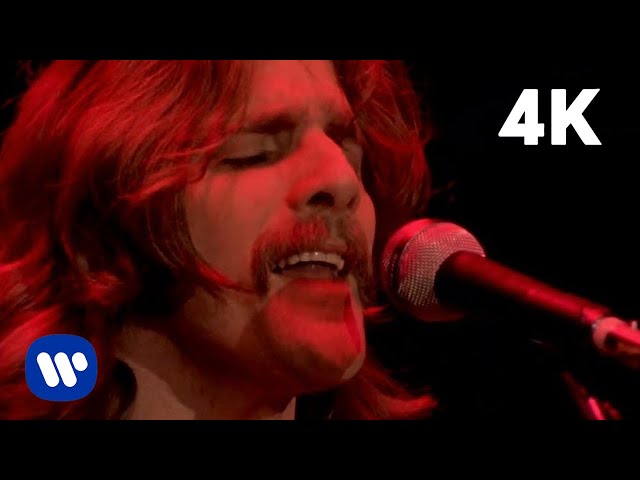
A refreshing, poppy tune woven with a band sound colored by classic country taste, featuring a comfortably catchy melody.
Also known in Japan by the title “Itsuwari no Hitomi” (“Lyin’ Eyes”), the track appears on the 1975 album “One of These Nights,” and was later released as a single, becoming a major hit.
It won the Grammy Award for Best Pop Vocal Performance.
You might not notice it while listening, but it actually runs over six minutes; still, its simple yet never-tiresome structure is truly impressive.
Be sure to pay attention to the lyrics, which tell a story.