

Enka themed around flowers: a collection of songs depicting flowers in full bloom and flowers falling away.

Enka is captivating for its melodies that evoke a sense of wistfulness and its lyrics filled with a wide range of human emotions.
Another hallmark of enka is its many evocative, scenic descriptions, and pairing enka with flowers is a classic combination.
In this article, we’ll introduce a selection of enka masterpieces themed around flowers.
You’ll find everything from songs about flowers in full bloom across the four seasons to pieces with fleeting lyrics, like those about falling cherry blossoms.
Please take your time listening while reading the lyrics, and let your thoughts wander through the scenes woven into each song.
- [2026] Enka about cherry blossoms: A roundup of classic cherry blossom songs in enka and kayōkyoku to enjoy in spring
- Classic songs that sing about flowers. Popular songs related to flowers.
- [Today's Recommended Enka] Carefully selected enka songs that perfectly match today's mood!
- [For Beginners] Recommended Enka Classics for Karaoke — Women Singers Edition
- Women’s Enka: A collection of classic enka songs expressing women’s emotions
- [2026] Enka Spring Songs to Savor: A Collection of Classic Enka That Evokes the Japanese Spring
- Queen of Enka: A roundup of Aki Yashiro’s easy-to-sing songs
- A collection of enka songs with “Blues” in the title: masterpieces that sing of sorrow
- [People・Songs・Heart] A Collection of Miyuki Kawanaka’s Easy-to-Sing Songs [2026]
- [2026] Easy-to-Sing Enka: From Classic Masterpieces to Recent Hits [Female Singers Edition]
- Classic enka songs you’ll want to sing at karaoke: recommended popular tracks
- [2026] Enka to Listen to in Winter: A Collection of Classic Enka Songs Depicting Snow and Cold
- Uplifting songs to listen to in spring. Classic spring tunes that warm the heart.
Enka with a flower theme. A collection of songs depicting flowers in full bloom and flowers falling (41–50)
Two FlowersFuji Ayako

This is a single by Ayako Fuji, released in August 2000.
Many listeners were likely moved by the earnest figure of a woman who dedicates herself to the one she loves, supporting him with a smile even in hard times.
The song is a classic number created by a leading enka duo: lyricist Yasuteru Miura and composer Hideo Mizumori.
At the 51st NHK Kohaku Uta Gassen that year, it was performed as the eighth act for the Red Team in a duet with Joji Yamamoto, gracing the stage with brilliance.
Listening to it while quietly reflecting on the journey you and your longtime partner have walked together may fill you with gratitude for one another.
It’s a masterpiece that reminds us of the happiness found in everyday life and the warmth of an unwavering bond.
Crescent Moon BluesShimakura Chiyoko

This is a classic enka song by Chiyoko Shimakura that gently overlays the pathos and solitude of life onto a crescent moon floating in the night sky.
While Shimakura is also known for “Jinsei Iroiro,” in this piece she tenderly sings of the heartrending feelings of a woman who endures in silence.
With lyrics by Tetsurō Hoshino and composition by Tetsuya Gen, the quintessential melody and her dignified voice—which doesn’t end in mere sadness—resonate deeply with listeners.
Released in February 2000, it was also performed on an NHK music program in September of the same year.
Those who have weathered many of life’s events may find a different flavor of appreciation when they listen.
Crescent Moon Love StoryIshihara Junko

This is a song by Junko Ishihara, sung with a velvety voice honed through shigin, richly conveying a heartrending love story.
A promise made under a crescent moon and the parting that eventually follows.
Images like a night train and the ebbing tide come vividly to mind, and the protagonist’s helpless lingering attachment is almost painfully palpable.
With lyrics by Fumiko Okada and composition by Makoto Kawaguchi—both masters of the enka world—the song was released in September 1994 and went on to win the Excellence Award at the 27th Japan Lyrics Award the following year.
It’s a piece anyone with an unforgettable memory of love can relate to.
On a quiet night, if you listen closely, the memories of that time may come flooding back in vivid color.
diamond dustŌzora Ayumi

This is a song by Ayumi Oozora that fuses the lyrical sensibility of enka with an irresistibly body-swaying rock sound.
The lyrics, written by her mentor Shinobu Yuki, sing of a strong resolve: even while carrying the pain of a lost love, the protagonist faces forward, like flowers poised to bloom in the spring to come.
Oozora’s emotive vocals dramatize both the aching sorrow and the hope for renewal.
It’s sure to give a powerful push to anyone who wants to overcome sadness and take a new step forward.
Izu ShowerKitagawa Yūji
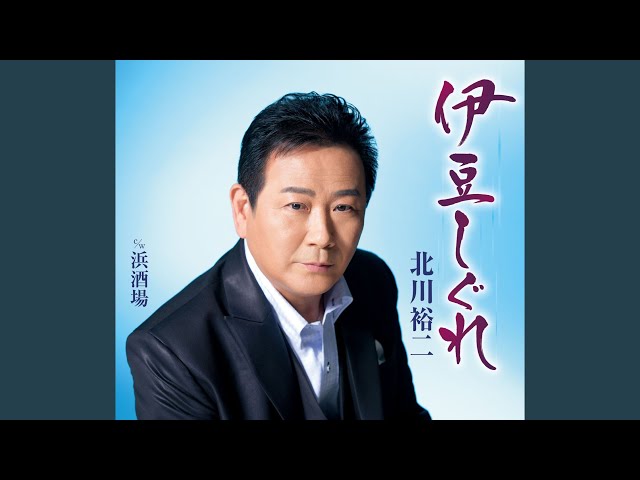
A wistful song beautifully rendered with deep emotion by veteran enka singer Yuji Kitagawa.
Released in 2018, this piece is a lyrical enka number where the rain-veiled scenery of Izu intersects with a helpless yearning for love.
As the gentle intro begins, it feels as if a cold autumn drizzle, a shigure, is pouring into your heart.
Perhaps it is a journey retracing memories of a love that has passed.
Kitagawa’s rich, warm voice blends exquisitely with the imagery of the Amagi mountains and the lonely coastline, tightening the listener’s chest.
Many will likely see themselves in the protagonist who, burdened by heartbreak, wanders alone through Izu.
flower of lingering attachmentHanasaki Yukimi

This song portrays an indelible feeling that keeps blooming deep in the heart.
Released in June 2025, it vividly conveys the lingering emotions of a love that has passed, intertwined with scenes of the changing seasons.
Lyricist Miwa Ito’s evocative word choices, HANZO’s composition with its nostalgic yet fresh melody, and Kazutoyo Sato’s string arrangements all deepen the poignancy of the story.
If you carry the memory of an unforgettable love in your heart, this work will gently stay by your side.
Our town was green indeed.Sen Masao

Masao Sen’s classic “Waga Machi wa Midori Nariki” is notable for its gentle melody.
While it is nominally classified as enka, the vocal line strongly reflects the essence of Showa-era kayōkyoku, and the characteristic enka vocal melisma (kobushi) is scarcely present.
The few instances of kobushi are mostly limited to a single scale step up or down, so even those not adept at enka-style phrasing should be able to sing it without difficulty.
If you enjoy songs with a nostalgic, old-fashioned mood, consider adding this one to your repertoire.
