

Famous quotes everyone knows, including words from great figures and characters

There are many famous quotes in the world.
Words spoken by renowned historical figures, by those who launched major companies or groundbreaking technologies, and even by popular manga characters—people from all walks of life have left behind words that resonate with our hearts.
In this article, we’ll introduce some of the most well-known quotes among the many out there.
We’ve gathered a variety of sayings: ones that give you strength when you can’t look forward, ones that inspire dreams, and ones that make you reflect on life.
You might find words that bring about a change in your feelings.
Be sure to check them out!
- Heartfelt! Inspiring Quotes Left by Great Figures of Japan
- Quotes from great figures that give us the power to live
- Guaranteed to move you! Memorable words by great figures and famous people.
- Words from famous people that I’d like to adopt as my motto. Inspiring quotes that convey the power of words.
- If you know them, they’ll surely guide your life! Important words to etch into your heart
- [Heart-Touching] Quotes That Keep You Going Anytime! Fiery Words That Push You Forward
- A collection of quotes from people of the past: messages from famous military commanders and great figures of the world.
- Short quotes from Studio Ghibli works: profound words that give us strength
- Live life positively! The importance of greetings and inspiring quotes as told by great figures
- Recommended as life tips! A collection of short, memorable quotes from great figures
- Catch a glimpse of each character’s individuality! Memorable quotes from My Hero Academia
- Ghibli quotes that resonate with the heart! A collection of inspiring lines that give you strength when you’re feeling down
- Just remembering them fills you with courage! Striking quotes that touch the heart from great figures and famous people
Famous quotes everyone knows. Words from great figures and characters too (1–10)
The word ‘impossible’ exists only in the dictionary of fools.Napoleon Bonaparte
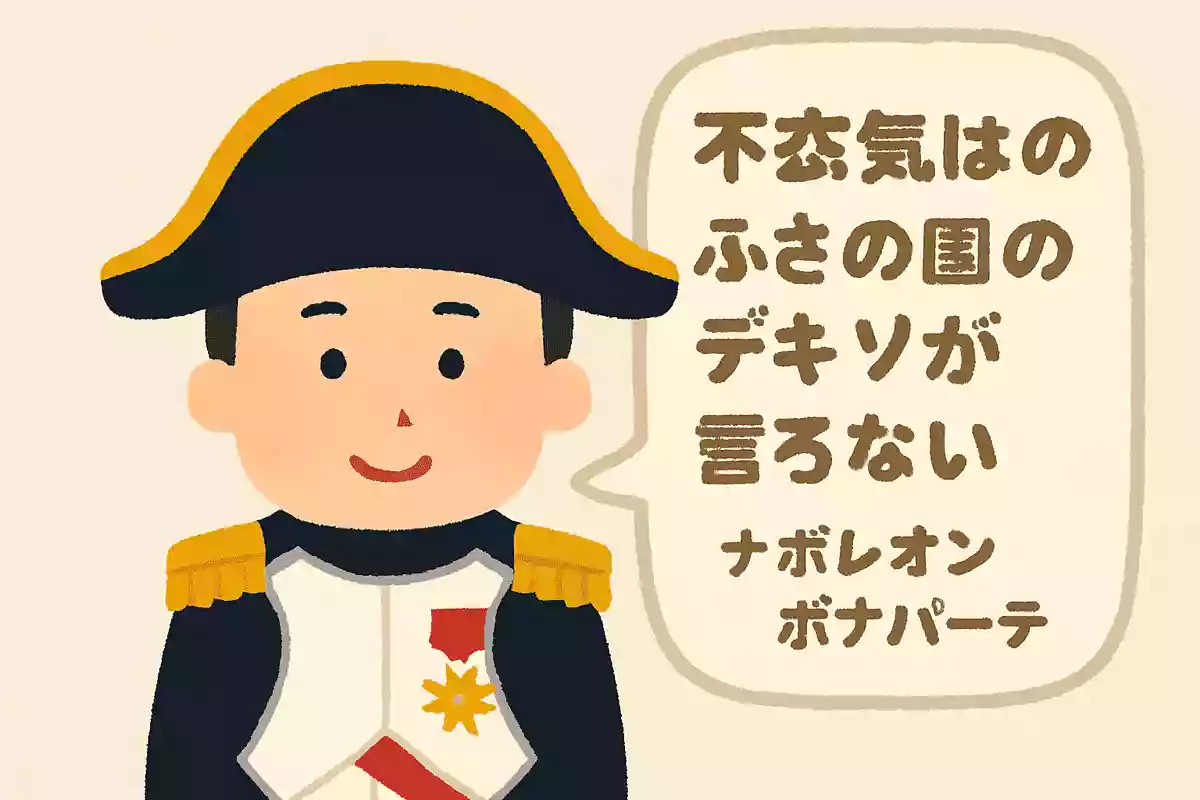
It’s a famous saying attributed to Napoleon Bonaparte, the French military leader of the Revolutionary era.
The phrase means that if you’re quick to say “I can’t,” you’ll truly become unable to do it.
It’s said he declared this to a subordinate who answered, “I can’t.” Following this example, if we refrain from saying “I can’t” and keep working toward our goals, we should be able to achieve them.
It’s a phrase worth keeping in mind when pursuing our dreams and goals.

No success for those without dreams.Yoshida Shōin
Yoshida Shōin, a thinker and educator of the Edo period, is said to have influenced the patriots of the Meiji Restoration through his teaching at the Shōka Sonjuku.
The following is a celebrated quote left by this educator, who had a profound impact on Japanese history, expressing the power of pursuing one’s dreams.
It conveys that by having a dream and moving toward it, one can bring out one’s abilities and achieve great results.
Whether it is a grand dream or a nearer goal, these words inspire faith in the power of advancing toward something.

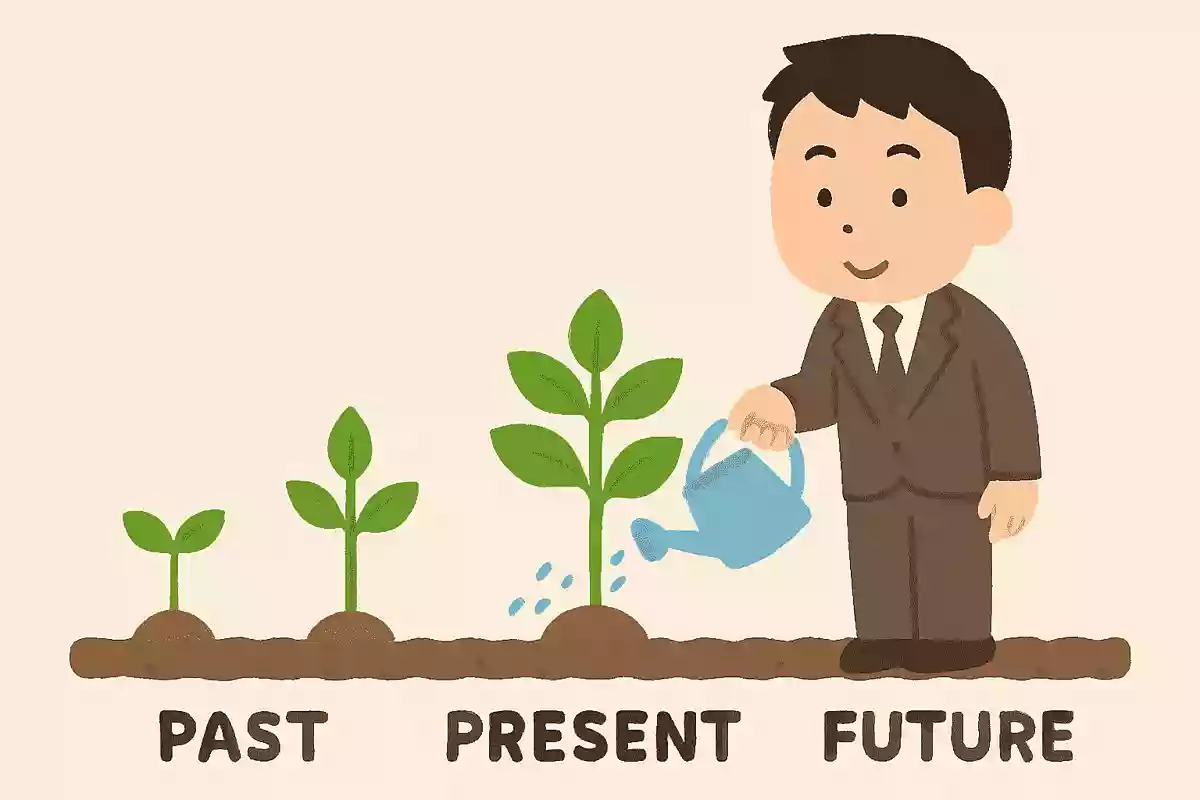
Today’s achievements are the result of past efforts, and the future will be determined by the efforts from now on.Kazuo Inamori
Kazuo Inamori is the founder of Kyocera and the person who established DDI in 1984, which later became the predecessor of KDDI.
He is one of the most important figures in Japan’s business world, remembered as an entrepreneur.
Here is a quote he left about the importance of hard work.
While the words focus on results, the same applies to unfavorable outcomes as well.
In other words, if you cannot make the effort now, results will not appear in the future.
Let’s keep these words in our hearts and steadily build up the right kind of effort every day.
Famous quotes everyone knows. Words from great figures and characters too (11–20)
You’re going to stumble many times from now on. But you also have the strength to get back up each time.Nobita Nobi 'Doraemon'
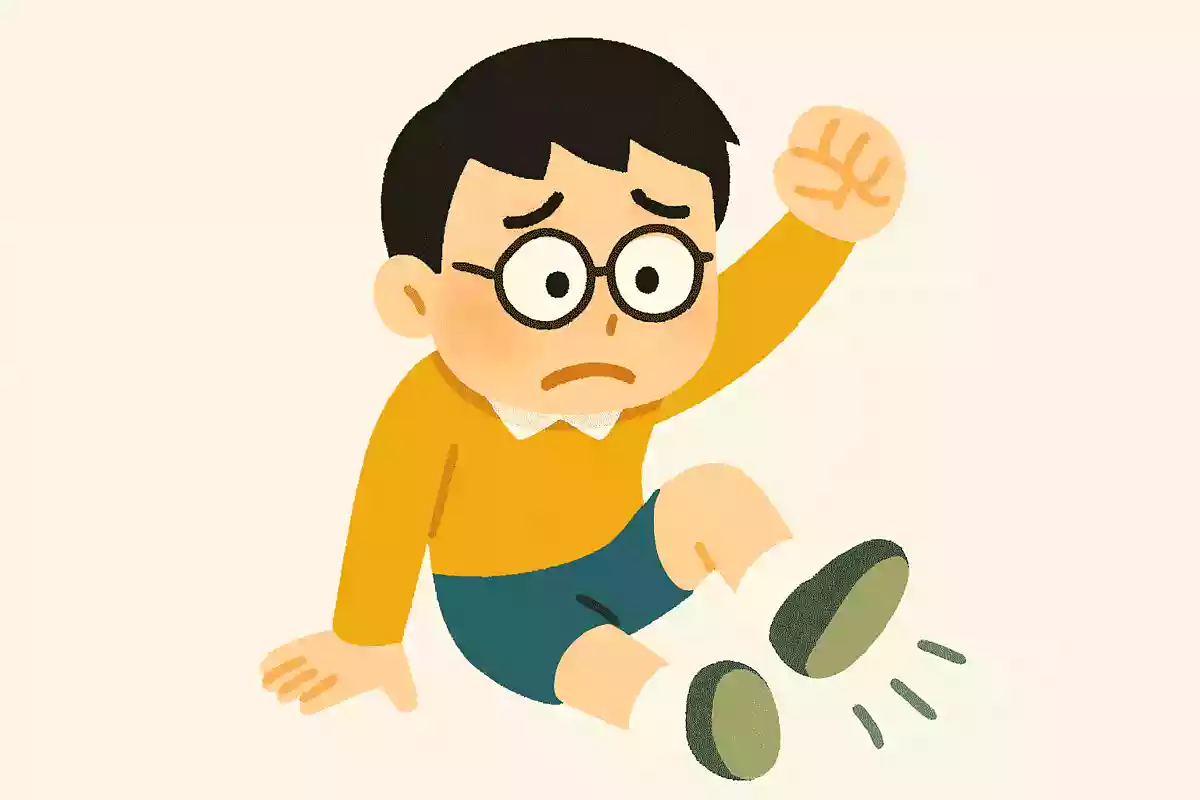
These are lines from Doraemon, spoken to present-day Nobita by himself from 45 years in the future.
When you think of Nobita, he’s the kind of kid who messes up no matter what he does, gets made fun of by Gian and Suneo, and is constantly scolded by his mom.
To such a Nobita, his future self offers these words.
Because it’s the future Nobita—someone who has stumbled many times yet kept getting back up and moving forward—who says them, they carry great weight.
Getting such wonderful advice from your future self feels kind of romantic and lovely, doesn’t it?
Stay hungry. Stay foolish.Steve Jobs
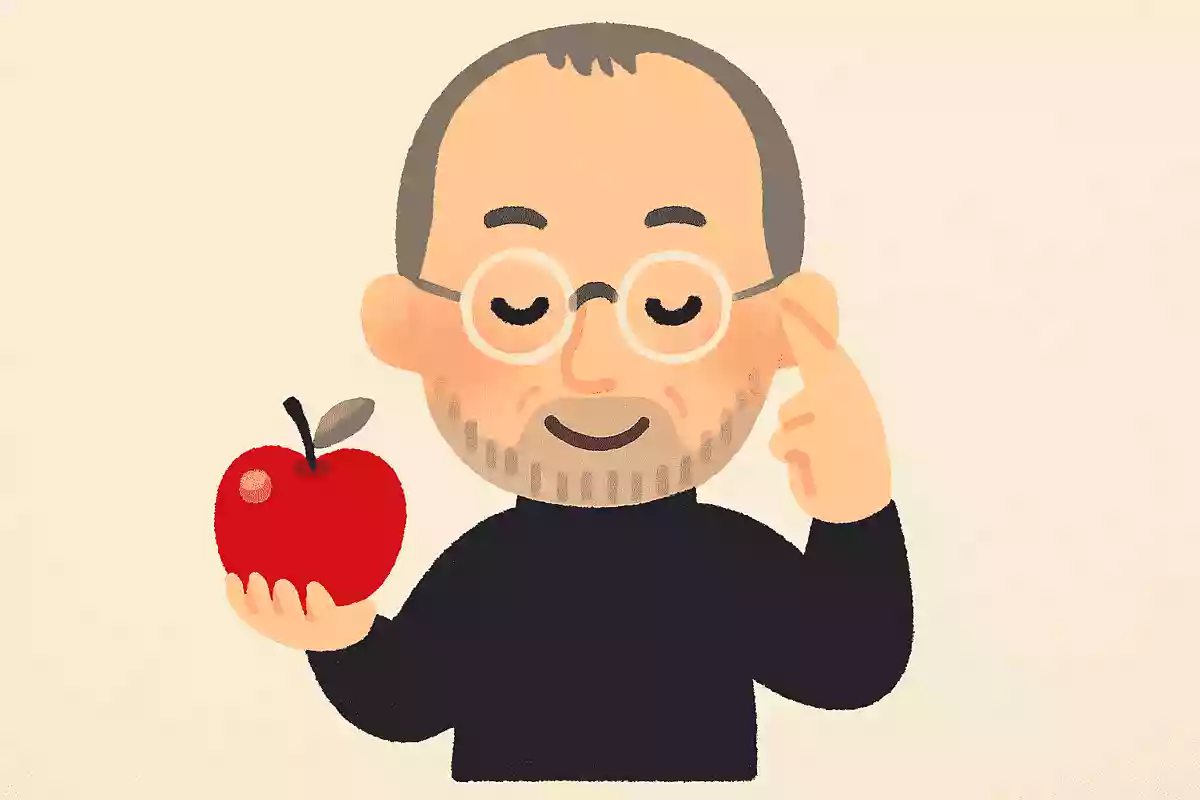
Steve Jobs, the co-founder of Apple, can be considered one of the entrepreneurs who represent the United States.
This is a famous quote by that history-making, great entrepreneur—one that seems to express a fundamental mindset for approaching things.
Literally, it means “Stay hungry, stay foolish,” but it embodies the attitude that we should never be satisfied with the status quo and should keep challenging ourselves with something new.
Daring to question what is taken for granted and trying to change it may have been the key to his success.
If you can dream it, you can do it.Walt Disney

These are the words of Walt Disney, who created numerous Disney works and theme parks such as Disneyland.
In Japanese, they are rendered as: “If you can dream it, you can do it.” The message is that by dreaming, you naturally begin to see what you need to do to reach that dream, and if you can make the effort to clear those tasks one by one, your dream will come true.
Precisely because these are the words of Walt Disney—who, despite many failures, brought the dreams he envisioned to life—the importance of having dreams and goals truly comes across.
Live as if you were to die tomorrow. Learn as if you were to live forever.Mahatma Gandhi
Mahatma Gandhi, a religious figure and political leader known as the “Father of Indian Independence.” Gandhi is known for many famous sayings, and this one is familiar to many: “Live as if you were to die tomorrow.
Learn as if you were to live forever.” Human life inevitably comes to an end; it tells us to live without regrets and never stop learning.
It’s a profound saying that can be called a lesson for life.
