


Speaking of enka, it’s a genre that demands above-average skill to sing—think distinctive phrasing with strong kobushi (ornamental turns), heavy use of vibrato, and overall exceptional vocal technique, especially for karaoke.
Of course, there are easier songs to sing, but this article compiles classic enka tracks that are particularly challenging to perform.
In addition to the characteristic enka vocal style mentioned at the start, these songs line up as high-difficulty pieces that require strong expressive ability, considering factors like wide vocal range.
This piece introduces masterpieces by female enka singers, but we also feature difficult-to-sing classics by male singers in another article, so be sure to check that out as well.
- [2026] Amazing if you can sing them! Enka Masterpieces [Women Singers Edition]
- [2026] Enka Songs That Are Hard to Sing – Male Singers Edition
- [2026] Easy Enka Songs for Karaoke: Recommended Picks — Women Singers Edition
- [2026] Easy-to-Sing Enka: From Classic Masterpieces to Recent Hits [Female Singers Edition]
- [For Women] Masterpiece Enka Songs with a High Degree of Difficulty
- Women’s Enka: A collection of classic enka songs expressing women’s emotions
- [2026] A roundup of female enka singers in their 60s: Artists who support Japanese enka
- [2026] Recent hit enka songs: must-watch popular kayō tracks
- [2026] Representative Famous Enka Songs: A Compilation of Classic Favorites [Beginner-Friendly]
- [For Women] A roundup of enka songs that can score high in karaoke
- [For Beginners] Recommended Enka Classics for Karaoke — Women Singers Edition
- 【2026】Recommended Enka by Male Singers with Captivating High Notes
- A roundup of captivating enka female singers in their 50s [2026]
[2026] Enka Songs That Are Hard to Sing – Women Vocalists Edition (1–10)
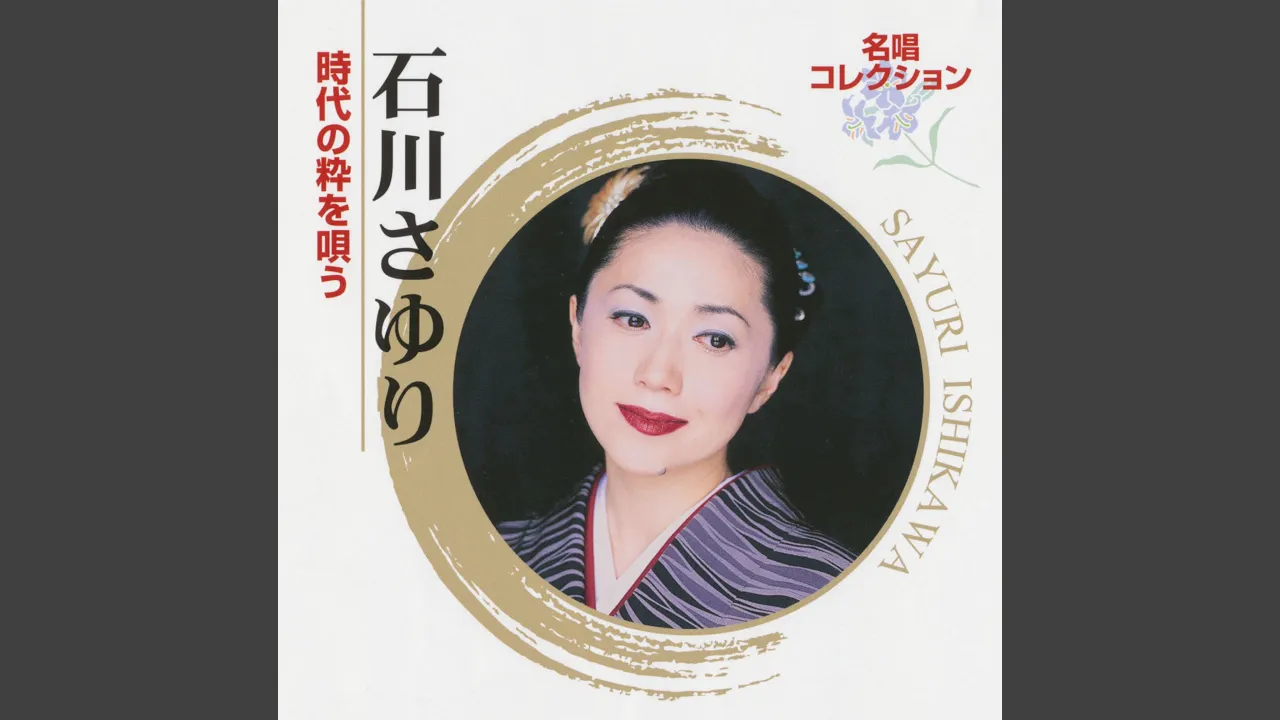
Crossing Amagi PassIshikawa Sayuri

It’s no exaggeration to say this is one of the most famous songs in the enka genre.
Sayuri Ishikawa’s 1986 release “Amagi-goe” won the Gold Prize at the 28th Japan Record Awards, and thanks in part to being performed alternately with her other signature song “Tsugaru Kaikyō Fuyugeshiki” on NHK’s Kōhaku Uta Gassen, it enjoys nationwide recognition and is a perennial karaoke favorite.
That said, as you’ll find if you actually try singing it, it’s not a song you can pull off easily.
It demands techniques characteristic of enka—such as the dramatic rises and falls in pitch that accentuate the contrast between the restrained delivery of the A-melody and the soaring chorus, as well as expansive vibrato and kobushi ornamentation made possible by the leisurely tempo.
Be sure to study the lyrics closely—written in exquisite Japanese and saturated with a fierce lament that vividly portrays a woman’s passion—and try to recreate “Amagi-goe” in your own expressive way!

Lake of GrebesOka Midori

Many people might not know how to read the word “鳰の湖” when they see it.
It’s read as “Nio no Umi,” and in fact it’s another name for Lake Biwa.
This song, titled “Nio no Umi,” is the ninth single released in 2018 by popular enka singer Midori Oka.
Some of you may remember it as a late-Heisei enka masterpiece that was performed at the 69th NHK Kohaku Uta Gassen.
It’s a song that demands the high-level vocal ability typical of classic enka, and one point to pay particular attention to is its wide vocal range.
Clearly and distinctly singing the lowest notes that appear in the A-melody can, in a way, be more difficult than hitting high notes, so make that a focus of your practice.
The overall range isn’t extremely high, so by being mindful of the contrast between the low notes and the high notes in the chorus, you can expect to enhance your expressiveness!
Jongara Onna-bushiNagayama Yōko

Featuring the boldly spotlighted sound of the Tsugaru shamisen, “Jonkara Onna-bushi” is a quintessential Japanese masterpiece in which elements of traditional music blend superbly with enka, pop, and rock.
Originally debuting as an idol singer, Yoko Nagayama later established herself as an enka artist while continuing to perform a wide range of styles, including pop and kayokyoku—this song is a perfect example of her versatility.
It was a massive hit, with Nagayama herself standing and playing the Tsugaru shamisen as she sings—an incredibly cool sight.
Vocally, however, it’s by no means an easy song: it demands a broad range and poses many technical challenges.
Although it follows the classic enka style, the uptempo beat with pop- and rock-like flavors, as mentioned, may feel particularly difficult for those used to more relaxed enka.
Conversely, if you’re not accustomed to enka vocalization, try approaching it as if you were singing rock, without initially over-focusing on enka-style emotional inflection.
Explore your own take on “Jonkara Onna-bushi” and sing it with full groove and energy!
wintering swallowMori Masako

If you listen to the chorus with its instantly memorable onomatopoeia, many people will feel like they’ve heard it at least once.
Masako Mori’s masterpiece “Etto Tsubame” (Wintering Swallow), highlighted by her beautiful yet slightly wistful high-tone vocals, can be counted among the signature songs of her enka career.
Many in the older generation will fondly remember her winning the Best Vocal Performance at the 25th Japan Record Awards and performing the song at the 34th NHK Kōhaku Uta Gassen.
That said, “Etto Tsubame” is, to be honest, quite difficult to sing at karaoke.
The melody, delivered in Mori’s clear voice, is overall very high in key, and the sustained long tones can leave you short of breath until you get used to them.
Although it belongs to the enka genre, it differs from the style that emphasizes strong kobushi (ornamental vocal turns) and heightened passion; instead, it’s better to aim for a straightforward delivery that brings out the song’s bittersweet melody.
If you struggle with high notes, I recommend lowering the key and practicing.
Woman Harbor TownYashiro Aki

Aki Yashiro was a great singer who left remarkable achievements not only in enka and kayōkyoku, but also in genres like jazz and blues.
The famous songs she performed are all extremely popular choices for karaoke; however, when you actually try singing them, you realize they’re anything but straightforward—thanks to her outstanding vocal technique, expressive power, and naturally husky voice.
This time, we’re introducing “Onna Minato-machi,” a hit released in 1977 and performed at the 28th NHK Kōhaku Uta Gassen.
Yashiro, then in her twenties, delivered vocals that were powerful and sultry; if you can nail this song, you’re sure to earn thunderous applause from your karaoke buddies.
Overall, the song sits in a higher register, makes frequent use of vibrato, and features many tricky spots—particularly the rhythmic phrasing in the A section.
The piece itself straddles the line between enka and kayōkyoku, and singing along to its funky rhythm—unlike conventional enka—can actually be challenging, especially for those accustomed to classic, straight-ahead enka.
Practice each section repeatedly so you can master both the light, buoyant rhythm and the expansive, ringing vocal delivery.
Silent SlopeKouzai Kaori

Kaori Kozai’s “Mugonzaka,” released in 1993, is a masterpiece of early Heisei-era enka.
It won the Japan Record Award that same year and was performed multiple times on NHK’s Kōhaku Uta Gassen, making it one of her signature songs.
It’s also known for having lyrics written by Mitsuhiko Kuze under a pseudonym and music composed by none other than Koji Tamaki.
The song is a local ode themed around a slope in Toyama City, Toyama Prefecture, Kuze’s hometown, and it’s interesting that Tamaki’s melody feels less like classic, orthodox enka and more urban and polished.
While Kozai makes it sound effortless, it’s actually quite challenging to sing, especially at karaoke.
Beyond its wide vocal range, it demands fine technique, such as carefully threading the words through the A-melody’s rhythm.
If you can master it, your singing level will improve dramatically.
Another key point is to deliver the soaring high notes in the chorus without pushing too hard, maintaining a relaxed tone.
Tangled HairMisora Hibari

Hibari Misora, an unparalleled mega-star born of the Showa era, who forever engraved her name in the history of Japanese entertainment.
She released countless masterpieces into the world, and her popularity shows no sign of waning even now in the Reiwa era.
With pitch-perfect accuracy, overwhelming vocal prowess, and expressive power that moves listeners—everything about her is truly top-notch, and the influence she has had on later music scenes is immeasurable.
There are surely many people who try to become Hibari herself and sing her famous songs at karaoke.
For all of you, the song I’d love you to take on is Midaregami, a renowned piece Hibari released in 1987 late in her career.
It was also the first song she released upon returning like a phoenix from illness, and it’s characterized by its beautiful falsetto in the chorus.
You can tell even just by listening, without singing, that the wide vocal range and dramatic leaps in pitch make it a highly challenging song.
Because it’s a grandly orchestrated track, even keeping the rhythm is difficult, so try practicing each section repeatedly and work to grasp the overall shape of the song.