

Recommended ballads for women at karaoke! Be moved by timeless songs that touch the heart

Do you want to sing a ballad with heartfelt emotion but aren’t sure which song to choose? There are many tracks with transparent, pure vocals and relatable lyrics, but that can make selecting one time-consuming.
Here, we introduce recommended ballad numbers that are perfect for singing with feeling.
Immerse yourself in a world woven from touching lyrics and beautiful melodies, and try expressing your feelings for someone special through song.
- Recommended ballads for men at karaoke: deliver moving performances with timeless songs that touch the heart.
- A special feature on love songs and ballads you want girls to sing at karaoke
- Ballad songs that are easy to sing at karaoke. Recommended classics and popular hits.
- [Songs I'd love women to sing!] Popular ballads performed by female artists
- Recommended ballad songs for women
- A Must-Read for Men: Sing at Karaoke! A Showcase of Moving Masterpiece Ballads
- [Karaoke] Classic and Popular Ballad Songs You’ll Want to Sing at Karaoke
- A ballad that will definitely make you cry at karaoke
- Love songs for men and women to sing at karaoke! A special feature on classic ballads that resonate as duets.
- Recommended for women: Start your karaoke session with these! A roundup of popular Japanese songs
- If you’re unsure what to pick, you should definitely sing these! Recommended songs by female artists for karaoke
- Cool songs you'd want girls to sing at karaoke—timeless tracks that make men fall in love with the sound
- [Karaoke] A roundup of songs that are easy for women to sing!
Recommended ballads for women (1–10)
EverythingMISIA

This is the seventh single by the female singer MISIA, who is highly acclaimed in Japan and abroad for her five-octave range and delicate expressiveness.
The song was used as the main theme for the TV drama “Yamato Nadeshiko,” and it became a massive hit, recording the highest sales among singles by female artists released in the 2000s.
Because it spans a wide vocal range throughout, be sure to set a comfortable key when singing it at karaoke.
Its mystical atmosphere captivates listeners, and if you can master it, this grand ballad is sure to draw attention.

First LoveUtada Hikaru

Hikaru Utada, a songstress Japan is proud of.
All her songs are great, but if I had to pick one ballad, it would have to be the classic “First Love,” wouldn’t it? It’s a love song with a depth that’s hard to believe was crafted by a 16-year-old girl at the time, and it’s a track that even grown women can’t help but get emotionally caught up in.
It’s not easy to capture Hikaru Utada’s distinctive vocals, but since it’s a song everyone knows, it’s guaranteed to get the room going at karaoke! And if it’s a girls’ karaoke night, it might even spark lively conversations about past lovers from back in the day.

ORIONNakajima Mika

When it comes to female artists’ ballads, some people may think of Mika Nakashima.
Her song “ORION” is also one of the ballads popular among women.
If you try to sing with the kind of wistful expression that Mika Nakashima is known for, you’ll capture the mood of this song.
Adding some vibrato will bring even more expression to your singing!

Recommended ballads for women (11–20)
Dawnyama

While carrying on the worldbuilding established so far, yama takes on a new vocal expression in this “new frontier ballad.” Written as the theme song for Kyoko Saito’s first starring film, “Love Trial,” releasing on January 23, 2026, it’s a ballad that showcases a voice where strength and fragility coexist, portraying inner conflict swaying between dreams and happiness.
The tempo is very slow and the singing is breathy, which in turn puts one’s vocal ability to the test.
It’s important to sing each lyric carefully to avoid sounding sloppy.
Also, to enhance the breathy quality, being mindful to let the voice come out slowly will help create the right atmosphere.

bye byeAYANE
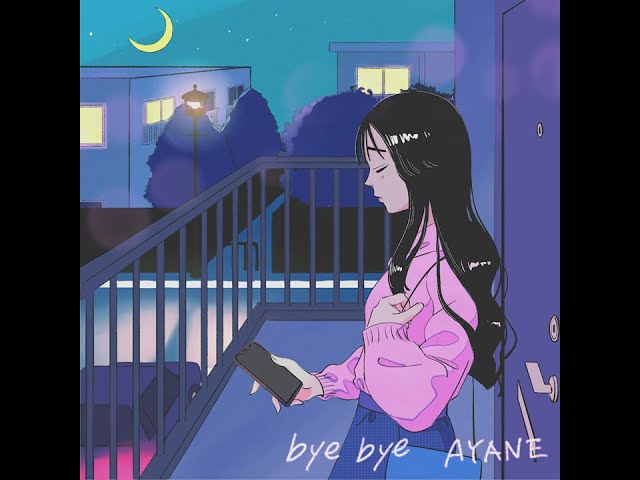
The overall vocal range of the song is narrow and very calm, from A3 to B4, but its defining feature is a ballad × R&B groove, so the key is how well you can ride the rhythm.
Also, if you just let it flow and sing vaguely, you won’t get much dynamics, and it’ll feel underwhelming even at karaoke.
If you lock into the beat at double-time and pay attention to fine accents, the dynamics will come naturally, and listeners will likely find it easier to catch the groove and enjoy it.
The key point is to look cool and keep the rhythm with your head! It’s not a contest of vocal power, but it’s highly recommended for those who want to showcase their sense of style.
PRIDEImai Miki

This piece resonates with lyrics that portray deep love for a partner and the will of an independent woman, carried by a warm melody crafted by Tomoyasu Hotei.
You don’t need to belt it out, and the melody moves gently, making it a great choice even for those who aren’t very confident in their singing.
Released in November 1996 as Miki Imai’s 12th single, it also became well known as the theme song for the Fuji TV drama “Doc.” As a tender, soothing ballad, it’s recommended for the latter part of a karaoke session or in a calm setting.
Simply following the melody carefully will make it sound lovely, so consider adding it to your repertoire.
me me sheRADWIMPS

A ballad by the rock band RADWIMPS whose aching melody and candid lyrics pierce the heart.
The title is read as “Memeshii,” and it portrays a complex state of mind where lingering attachment to an ex and a self-centered kind of love are intertwined.
Many listeners will likely relate to the contradictory feelings of acknowledging one’s own weakness as “memeshii” while still wishing happiness for the other person.
Included on the classic 2006 album RADWIMPS 4 ~Okazu no Gohan~, it’s not a single, yet it has remained beloved for years.
When you want to let your overflowing emotions out through song, or sink fully into the pain of heartbreak at night, try singing it at karaoke—you might find your heart feels a little lighter.