

Easy-to-sing karaoke songs: Classic picks for women in their 40s


What songs do you choose when you go to karaoke for a second round after a work party or when you get together with friends? If it’s been a while since you last sang, you might wonder, “Can I still sing the songs I used to back then?” or “Which songs can I sing comfortably without straining my voice?” In this article, we’ll introduce plenty of songs that women can sing comfortably and enjoy at karaoke.
From tracks that are easy to match in key to heartfelt ballads, we’ve selected a wide range—add them to your repertoire for your next karaoke outing!
- [For People in Their 40s] Karaoke Songs That Are Easy to Sing: 2026 Ranking
- [Women in Their 40s] Even If You’re Tone-Deaf, You Can Sing! Karaoke Songs That Fit a Woman’s Vocal Range
- [Karaoke] A roundup of songs that are easy for women to sing!
- Famous songs we’d like women in their 40s to sing, by age group
- [2026 Edition] Karaoke Songs That Will Get the Crowd Going—Perfect for Women in Their 40s
- [Calling all low-voiced women in their 40s!] Songs that are easy to sing at karaoke
- A must-see for low-voiced women! Popular songs that are easy to sing at karaoke
- [For Women in Their 40s] A Collection of Songs That Score High at Karaoke [2026]
- Cool If You Can Sing! Popular Karaoke Songs Recommended for Women
- Popular Japanese songs among women in their 40s: recommended classics and standard hits
- Karaoke songs that are easy to sing even if you’re not confident in your pitch (for women in their 50s)
- [Recommended for women in their 30s] Popular and latest songs that are easy to sing at karaoke
- Uplifting songs recommended for women in their 40s
Easy-to-Sing Karaoke Songs [Classic Picks for Women in Their 40s] (1–10)
Pink sighTakahashi Mariko

Released in 1984 as Mariko Takahashi’s 10th single.
When she was given this song—with lyrics depicting a seductive, intense adult world—she was reportedly quite bewildered at the time.
However, thanks to its huge success, lyricist Chinfa Kan won the Lyrics Award at the 26th Japan Record Awards for this work, and it has since become one of Mariko Takahashi’s signature songs.
It’s also popular as an easy-to-sing karaoke number.

Best FriendKiroro

Kiroro’s classic “Best Friend,” which gained nationwide popularity for its warm theme depicting friendship.
Released in 2001, the song features a relaxed rhythm and a very catchy melody.
In fact, its vocal range spans from mid1 G to hi C, making it very easy to sing for the average female voice, with gentle rises and falls in pitch.
The challenging part is likely the hi C, but it only appears six times total—twice in each chorus—so if you set your key with this section in mind, it should be easier to sing.

Give me a ShakeMAX
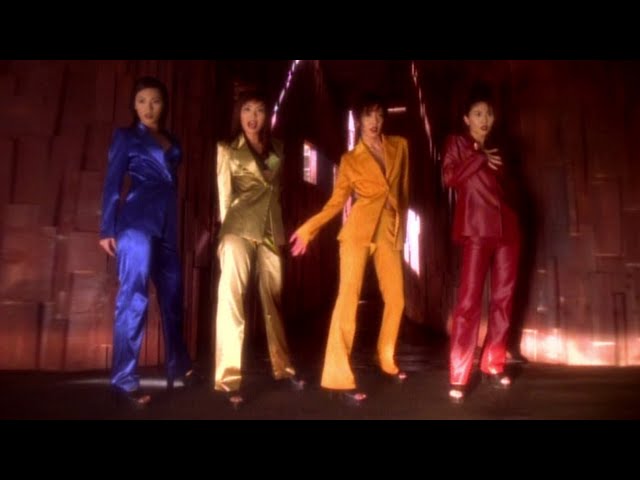
Give me a Shake, a masterpiece of Japanese Eurobeat released in 1997.
It’s a famous song by MAX, needless to say, and it also incorporates elements of Black music, which were still rare in Japanese pop at the time.
Despite that, the vocal line is very easy to sing.
While the range is wide—mid1D to hiF—there are few long notes, and the melodic movement is very gentle.
The tempo also has some breathing room, so as long as you keep the groove in mind, it’s a song that will come together quite well.
Easy-to-Sing Karaoke Songs: Classic Picks for Women in Their 40s (11–20)
Your umbrellaKimura Kaera

Kimura Kaela’s song “Kimi no Kasa,” released on October 29, 2025 as the theme for the film “Sumikkogurashi: The Sky Kingdom and the Two Children,” leans less toward the poppy vibe she’s best known for and instead takes on a somewhat fantastical atmosphere.
The brass instruments even evoke a touch of folk music.
The vocal line, however, is classic J‑pop—mid‑tempo and easy to sing.
That said, there’s a lower falsetto in the chorus, so if it’s difficult to sing, it’s best to adjust the key with that section in mind.
Song of LoveNEW!Sutoroberī Furawā

Strawberry Flower, widely loved as the TV commercial song for Nintendo’s video game software and a major hit, shines with its title track from the single “Ai no Uta ~ Pikmin CM Song,” released in December 2001.
This piece captures the game’s world with both wistfulness and charm.
Its gentle, acoustic guitar–based melody and simple, translucent vocals resonate pleasantly.
Embracing profound themes such as the cycle of life and unconditional love, it’s sure to quietly comfort the hearts of adult women.
With its relaxed tempo and nursery-rhyme-like singability, it’s a perfect pick when you want to refresh yourself at karaoke.
Try singing it with a calm heart, reminiscing about the commercials from back then.
VoyageHamasaki Ayumi

Ayumi Hamasaki’s 28th single “Voyage” is striking for its grand, orchestral sound.
Its vocal range spans from mid1F to hiD#, which is fairly wide and, true to her style, sits on the higher side overall.
That said, the melodic movement is relatively gentle, and with a BPM of 90, it shouldn’t be difficult to follow the pitch.
Since high notes occur in succession, if you’re not confident in your upper range, it’s recommended to lower the key by one semitone from the standard key before singing.
My friendNEW!ZARD

This song was released in January 1996 as ZARD’s 17th single.
It became widely known for being used as the ending theme of the TV Asahi anime SLAM DUNK and went on to become a million seller.
With lyrics by Izumi Sakai and music by Tetsurō Oda, it’s a refreshingly upbeat pop-rock number that truly embodies the golden age of J-pop.
Its message—facing forward while holding both the brilliance of youth and the bittersweetness of change—rings clear over a lively band sound.
It’s also included as the first track on the album TODAY IS ANOTHER DAY, and it’s a highly recommended song that’s sure to fill any venue with a wave of nostalgic excitement when sung at karaoke with peers, reunions with club teammates, or milestone gatherings in life.