

Unrequited love songs recommended for women in their 40s: classic and popular Japanese tracks

We’re featuring a selection of unrequited-love J-pop songs recommended for women in their 40s.
No matter how old we get, humans never forget how to fall in love.
Sometimes, we keep on loving someone from afar.
For times like that, we’ve gathered songs that will be by your side.
- Tear-jerking songs recommended for women in their 40s: classic and popular Japanese tracks
- [Unrequited Love Songs] Recommended for women! Classic tracks that boost your motivation for love
- [A Song That Makes Love Come True] Carefully selected love songs perfect for those who want to make their unrequited love come true!
- [For Women] Attractive Songs That Appeal to Men in Their 40s
- Easy-to-sing karaoke songs: Classic picks for women in their 40s
- [Unrequited Love Song] A Love Anthem to Cheer You On as You Wish for Mutual Feelings
- [Mutual Crush Song] Stuck before confession, not quite lovers!? A love song capturing wavering emotions
- [Unrequited Love] Heart-wrenching Love Songs | A Roundup of Tear-Inducing Crush and Breakup Tracks
- Unrequited Love Song: A heartrending love song dedicated to you who are going through a painful romance
- Tear-jerking songs recommended for women in their 50s: classic and popular Japanese hits
- [2026 Edition] Youth Anthems for Your 40s! A Roundup of Popular Heart-Pounding × Heartwarming Songs
- Unrequited love songs that strike a man's heart. Love songs from a male perspective that really hit home.
- Unrequited love songs recommended for teenage girls: classic and popular Japanese hits
Recommended unrequited-love songs for women in their 40s: Classic and popular J-Pop tracks (71–80)
A One-Night LoveKudō Shizuka

This is also a song that resonates with women engaged in forbidden love, such as affairs and infidelity.
Even without knowing what lies ahead, the pain and heartache of being unable to stop loving are sung with sensuality by Shizuka Kudo, who was only 18 at the time of release.
It’s a sultriness you’d never expect from an 18-year-old.
Happy! Fun! I love it!DREAMS COME TRUE

DREAMS COME TRUE has many hit songs and love songs.
This track, released by them in 1989, was the B-side to the single “Ureshi Hazukashi Asagaeri.” Nowadays, this song is actually more popular and is often sung at karaoke.
A downright cheerful song about mutual love.
Thank youikimonogakari

It was written as the theme song for the 2010 morning TV drama series “Gegege no Nyobo.” It’s a warm piece that makes you appreciate the power of the word “thank you.” The high notes seem a bit challenging, but even if you can’t sing them perfectly, I think it’s fun to sing together in unison.
Unrequited Love Songs Recommended for Women in Their 40s: Japanese Classics and Popular Tracks (81–90)
Let yourself go with the flow of timeTeresa Ten

Teresa Teng, a Taiwanese singer known as the “Asian Songbird.” She has many hit songs such as “Aijin” (Lover) and “Tsunagai” (Repayment), but this piece is in a major key and brimming with happiness, making it perfect for singing in a good mood.
It was released in 1986.
Second LoveNakamori Akina

Akina Nakamori, who, along with Seiko Matsuda, helped define an era of idol pop.
This work, released by her in 1982, was a ballad with a slightly mature, gently sentimental feel.
The lyrics and music were by the sibling duo Etsuko and Takao Kisugi.
It’s a piece whose content wouldn’t feel out of place even when sung by an adult.
A Bouquet of Kisses in the RainImai Miki
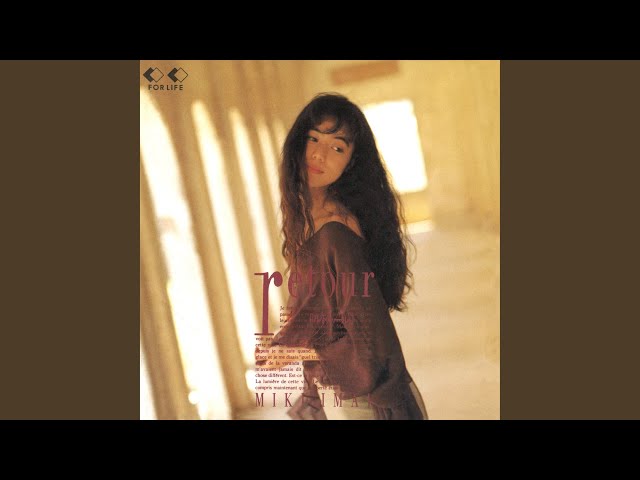
Even now in her 50s, Miki Imai remains beautiful.
She has sung many songs themed around romance, and although this track from her 1990 album “retour” was never released as a single, it is still a popular piece.
The composition is by KAN.
With a breezy AOR flavor, it skillfully depicts the giddy feelings of a woman who has been suddenly proposed to.
17 years oldMinami Saori

Saori Minami was an exceptional presence among early-1970s idols.
This was her debut song, and it later became known for being covered by Chisato Moritaka.
Inspired by the Western hit “(I Never Promised You a) Rose Garden,” which was popular around the same time, this piece is a refreshing song about mutual love.