


You get into your thirties, start feeling settled into working life, and before you know it, you’re in your forties…
There must be many people who feel this way.
It’s also said that this stage of life comes with heavier responsibilities at work and increased stress.
So we’ve put together a selection of songs that might make men in this age group smile and feel energized.
- Karaoke songs for men in their 40s: a curated selection of hit tracks women want to hear!
- Uplifting songs recommended for men in their 40s
- [For men in their 40s] That nostalgic song you can enjoy at karaoke!
- Get the Laughs! Funny Karaoke Songs That Hype Up the Crowd
- Funny songs recommended for men in their 20s
- Perfect for driving BGM and karaoke! Recommended summer songs for people in their 40s [2026]
- Interesting Japanese songs recommended for men in their 60s
- [Parody Songs & Chants] Drinking Songs That Hype Up Karaoke
- Recommended Japanese pop songs for karaoke for men in their 40s
- Recommended love songs for men in their 40s: classic and popular Japanese tracks.
- [For Women] Attractive Songs That Appeal to Men in Their 40s
- A collection of moving songs recommended for men in their 40s: music that resonates with the heart
- [For Men in Their 40s] Easy-to-Sing Karaoke Songs and Guaranteed Crowd-Pleasers
Interesting songs recommended for men in their 40s (1–10)
Weekly Chichibu Legendsbaidoku jerasī

It’s one of the bands that appeared on ‘Ika-ten.’ I remember that when I first saw them, I honestly thought, ‘What is up with this vocalist?’ The crude look of singing with women’s underwear on his head and the incomprehensible lyrics—led by phrases like ‘Weekly Chichibu Legend’—left such an impression that I still haven’t forgotten it nearly 30 years later.
It’s a real shame of a track, especially since the music itself is so cool (lol).
I AM YOUR SINGERSazan Ōrusutāzu

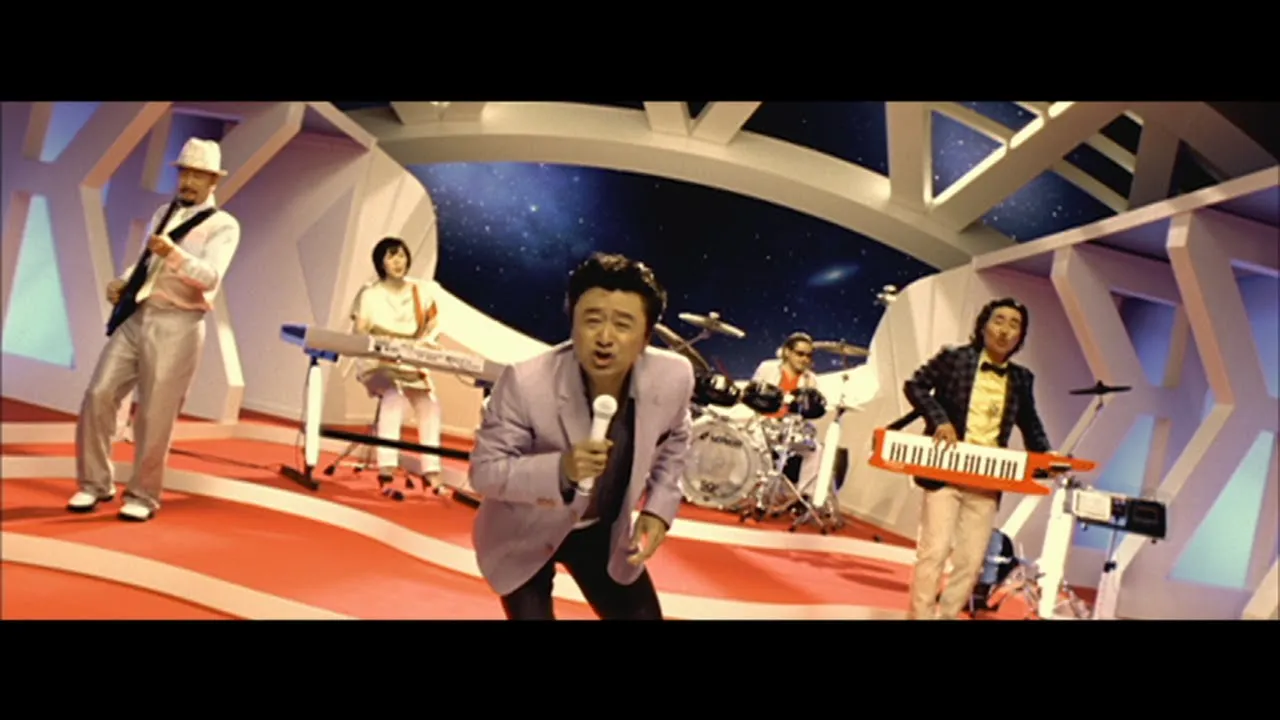
A monumental work by Southern All Stars that, on the major milestone of their 30th anniversary, boldly proclaims deep gratitude to fans and hope for the future.
It features a celebratory melody infused with electronic sounds, wrapping you in an uplifting exhilaration that makes your heart dance just by listening.
Released as a single in August 2008, many will remember it playing on TV as the song for au’s “LISMO” commercial at the time.
It also came during a period just before their hiatus, and the song resonates deeply as a heartfelt “thank you” from the members to their listeners.
When you find yourself in a position of responsibility at work or at home and feel a moment of loneliness, listening to it will surely encourage you with the same passion of that era, reminding you that you’re not alone.
Be sure to check it out.
Humanity!Sambomasutā
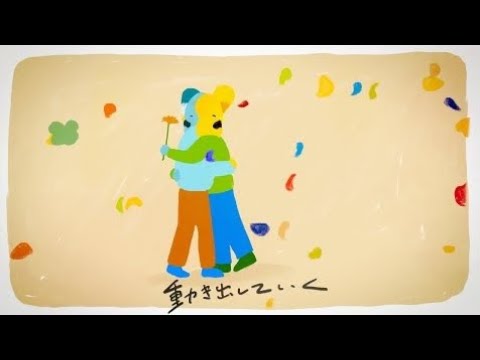
Have you ever felt a little emotionally worn out, chased by your morning routine? In moments like that, Sambomaster’s latest work resonates both gently and passionately.
The lyrics, which wholeheartedly affirm humanity and the joy of living, together with the driving beat, lift your spirits right up.
Released in June 2021 as the theme song for TBS’s weekday show “LOVE it!”, the track also drew attention for featuring the band’s first fully animated music video.
It’s included on the album “Love & Peace! Masterpiece!” and is a fan favorite that unites the crowd at live shows.
Give it a listen on those mornings when your steps feel heavy on the way to work, or whenever you need a push on your back.
It’s sure to fill you with energy for tomorrow.
Sunflower DreamSaitō Kazuyoshi

Overflowing with a sense of openness and carrying a positive message to go big without sweating the small stuff, this is a classic by Kazuyoshi Saito that resonates deeply with adults caught up in the demands of everyday life.
Featured on the concept album “ONE NIGHT ACOUSTIC RECORDING SESSION at NHK CR-509 Studio,” released in September 2012, this track was also used in the Sapporo Hokkaido PREMIUM commercial starring Nanako Matsushima.
The groove unique to its acoustic arrangement pairs perfectly with Saito’s warm vocals, creating a soothing comfort that makes your shoulders naturally relax as you listen.
Perhaps it’s precisely the generation shouldering responsibilities at work and at home that needs the song’s generous worldview.
Give it a listen on a weekend drive, or when you want to pause and take a deep breath!
Young manSaijō Hideki

“Y.M.C.A.” has become a staple cheer song at school events and sports competitions.
The arm-swinging choreography went viral—these days, it feels like there’s hardly anyone who doesn’t know it! With an intro that instantly lifts your spirits, doesn’t it just make you smile? That smiling expression is really important: when your facial muscles naturally lift, your voice comes out more easily, making it much easier to sing! Plus, doing the choreography helps your body relax, which also makes projecting your voice easier.
Above all, the best thing is to just have fun singing it!

cleaning ragBAKU

Included on the 1991 album “Can You Hear It? ~Power of Dreams~.” A three-piece rock band formed in 1989.
It’s a mid-tempo track that unfolds with a light, lively rhythm and aggressive guitar sound, singing about their feelings by likening themselves to rags made from old towels.
Don’t blame the children.Ibu Masatō

A single released in 1983.
Born in 1949.
An actor from Tokyo.
The original song is Sammy Davis Jr.’s “Don’t Blame the Children.” While the original is a message song addressed to the adults around children, this version—contrary to its title—changes the lyrics to emphatically declare how much the singer dislikes children.