

Nostalgic Japanese Pop Hits That Get 40-Something Men and Women Excited

There are plenty of chances to end up at karaoke—whether it’s drinks with coworkers or reunions with old friends—but do you ever find yourself struggling to pick the right songs?
I’m not too familiar with recent hits, and if it’s a gathering of people from the same generation, I’d rather get everyone hyped with nostalgic tunes we listened to in our youth.
So in this article, I’ll introduce some great crowd-pleasers recommended for people in their 40s!
I’ve focused mainly on nostalgic songs from around the 1990s, so if you’re in your 40s, these tracks should bring back memories of your younger days.
Not only are they perfect for getting everyone in the same age group excited together, but they’re also timeless classics from the Japanese music scene—so there are plenty of songs that people of all ages can enjoy together!
- [2026 Edition] Youth Anthems for Your 40s! A Roundup of Popular Heart-Pounding × Heartwarming Songs
- [40s] Karaoke Crowd-Pleasers Ranking [2026]
- [2026 Edition] Karaoke Songs That Will Get the Crowd Going—Perfect for Women in Their 40s
- [For men in their 40s] That nostalgic song you can enjoy at karaoke!
- Popular Japanese songs among women in their 40s: recommended classics and standard hits
- Songs popular among men in their 40s. Timeless classics that bring back memories.
- [Nostalgic Hits] Japanese dance music that resonates with people in their 40s.
- Easy-to-sing karaoke songs: Classic picks for women in their 40s
- [2026] Crowd-Pleasing Songs Recommended for People in Their 50s: A Collection of Nostalgic Classics
- Uplifting songs recommended for men in their 40s
- [Spring Songs Recommended for People in Their 40s] Relive Your Youth! A Selection of Nostalgic Tracks
- [40s] Popular Japanese Music / J-POP Rankings [By Generation]
- [For Men in Their 40s] A Collection of Songs That Score High at Karaoke [2026]
Hype songs recommended for people in their 40s (21–30)
lipsGLAY

An erotic number that captures both aching infatuation and passionate love.
Swept up by irresistible desire, the protagonist’s heart grows increasingly unsettled by feelings for their partner—expressed powerfully against GLAY’s signature, high-velocity sound.
The striking guitar riff and melody sung in a higher key further accentuate the emotions swirling within.
Released in May 1997, the song was used as the ending theme for Fuji TV’s “HEY! HEY! HEY! MUSIC CHAMP” from April to June of the same year, and became a major hit as the band’s first Oricon No.
1.
It’s the perfect track for cranking up the energy with friends at karaoke or letting your feelings out.
SPARKTHE YELLOW MONKEY

This is a rock number by THE YELLOW MONKEY that sings of passionate love.
It paints a worldview where you close your eyes and share a space with the night, and within its sensual expressions lies a pure heart wishing for eternal love.
The energetic guitar riffs and rhythm section leave a strong impression, and Kazuya Yoshii’s distinctive vocals resound over the dynamic sound.
Released in July 1996, the song drew attention as the theme for the Fuji TV drama “Handsome Man.” It was also included on the album “SICKS” and reached No.
3 on the Oricon Weekly Singles Chart.
It’s a perfect song for enjoying karaoke with friends, full of a charm that lets everyone open their hearts and sing along.
ultra soulB’z

This is a hard rock number by B’z that powerfully expresses a soul’s cry to keep pushing the limits.
The lyrics, which portray facing oneself and chasing dreams, brilliantly capture the doubts and inner struggles we all encounter at life’s crossroads.
Takahiro Matsumoto’s dynamic guitar and Koshi Inaba’s soaring vocals blend perfectly, injecting a strong surge of energy into the listener’s heart.
Released in March 2001, it was chosen as the official theme song for the FINA World Swimming Championships in Fukuoka that same year.
Also included on the album “GREEN” and performed on NHK’s Kōhaku Uta Gassen, this track gives a boost to anyone striving in their work or life.
It’s the perfect cheer song to belt out with close friends when you get together.
TRAIN-TRAINTHE BLUE HEARTS

A rock tune that stays close to each listener and keeps delivering a powerful message.
With its straightforward spirit and energetic performance, this is a signature work by THE BLUE HEARTS that truly breaks through.
Hidden within are hints for finding your own way of life—guidance for the road of life.
After its release in November 1988, it ranked for five consecutive weeks on a TBS music program, and starting in January 1989 it was also chosen as the theme song for the TBS drama “High School Graffiti.” This track has become a staple at sporting events as well, used as a cheer song in high school baseball and as walk-up music by many professional baseball players.
It’s recommended for times when you’re feeling down, ready to take a new step forward, or standing at a crossroads in life.
It’s a song that’s sure to give you courage and hope.
Embracing SummerTUBE
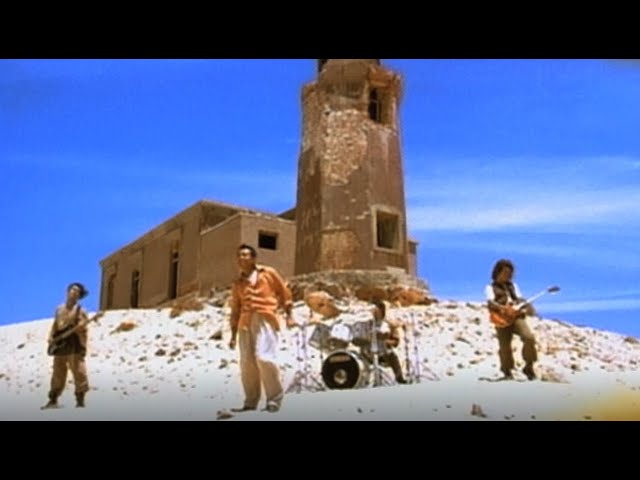
With a sound that evokes clear blue skies and a shining sun, this is a quintessential summer song from TUBE.
It conveys a love so intense it keeps you awake at night, expressed through passionate lyrics and melody.
The protagonist’s once-in-a-lifetime feelings are sure to stir memories of bittersweet love that many have experienced.
Released in May 1994, this smash hit topped the Oricon charts and sold 940,000 copies.
It was also featured in a Toyota Corolla Ceres commercial and has become a karaoke staple loved by many.
It’s the perfect track to share with close friends or colleagues as you reminisce and look back together on life’s milestones.
See, spring has come.ushirogami hikaretai

A refreshing song celebrating the arrival of spring has been delivered by Ushirogami Hikaretai.
It expresses the exhilaration and anticipation that come with the changing seasons, set to a bright and lively melody.
The lyrics leave a strong impression with their gentle sensitivity to the love and happiness overflowing in nature—spring’s buoyant warmth, the murmur of a brook, and the hope of new romance.
The track was used as the opening theme for the Fuji TV anime “Tsuideni Tonchinkan,” and after its release in February 1988, it reached No.
6 on the Oricon chart.
It’s a song you’ll want to hear at the start of a new season, a work that lingers in the heart along with fond memories.
The rattlesnake is comingTonneruzu

With its cheerful, upbeat sound, this opening theme for the Fuji TV variety show “Tunnels’ Thanks to Everyone” captured the hearts of viewers.
Released by Tunnels in January 1992, the song brilliantly fuses Yasushi Akimoto’s clever wordplay with Tsugutoshi Goto’s lively melody.
At first glance it seems like a simple, fun story, but its lyrics are appealingly dual-layered, allowing for deeper, more adult interpretations.
Reaching No.
1 on the Oricon charts for the first time and selling 1.409 million copies, the song has been loved across borders, with covers in Hong Kong and Taiwan.
It’s the perfect track to liven up parties and gatherings, delivering a joyful moment that gets your body moving.