

[Western Music] Classic Jazz Fusion Masterpieces: Recommended Albums You Should Listen to at Least Once [2026]

Among the many subgenres of jazz, fusion—true to the meaning of the word—features a crossover sound that blends a jazz foundation with a wide range of genres, from rock and Latin music to even electronic music.
It’s an extremely popular genre in Japan as well.
For those who’ve become interested in fusion, we’re introducing must-hear fusion masterpieces! In addition to historical classics, we’ve included recent gems that embody jazz fusion elements in a broad sense.
Why not experience the depth of fusion’s sound—one that transcends the boundaries of jazz and has had an immense impact on contemporary popular music?
- Classic fusion music masterpieces. Recommended staple tracks.
- [Western Music] Must-Know: A Roundup of Popular Overseas Fusion Bands
- Masterpieces of crossover. Recommended popular songs.
- A roundup of classic Western jazz-funk albums—from staples to the latest releases
- Ranking of popular fusion songs
- Start here first! Classic jazz-rock masterpieces. Recommended popular tracks.
- [2026] Masterpieces of instrumental music. Recommended instrumental tracks.
- [Selected by the pros!] 10 great bassists from the jazz fusion world
- [For Beginners] Classic Modern Jazz Albums: Recommended Records to Start With
- Masters who perform jazz fusion: A roundup of representative international artists
- Masterpieces of Japanese fusion—From nostalgic classics to recent recommendations—
- Western songs with cool bass lines: classic and popular tracks recommended for bassists
- [All Genres] Introducing Masterpieces of Guitar Instrumentals!
[Western Music] Classic Jazz Fusion Albums: Must-Listen Recommendations [2026] (41–50)
Straight LifeFreddie Hubbard
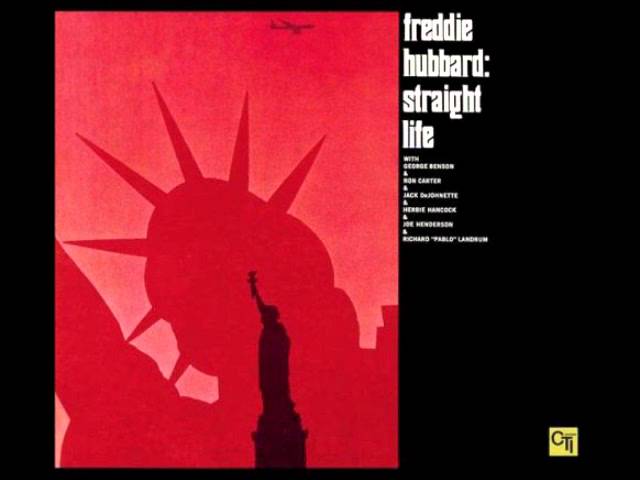
Freddie Hubbard, a trumpeter who epitomized the American jazz scene and excelled across a wide range of styles from hard bop to fusion.
Released by CTI Records in 1970, Straight Life is a masterpiece that brilliantly distills Hubbard’s multifaceted musicality.
Top-tier musicians like Joe Henderson, Herbie Hancock, and George Benson provide stellar support, and the album unfolds a sound that exquisitely blends elements of soul jazz and jazz-funk.
In particular, Mr.
Clean, built around a funk beat, shines with superb improvisations from each player.
It’s a classic I recommend to anyone who wants to savor a crossover sound that transcends the boundaries of jazz.
Soft SpiritHenry Franklin

Henry Franklin is an essential figure when discussing West Coast jazz of the 1970s.
The California-born bassist is a renowned virtuoso, also known for his appearance on Hugh Masekela’s smash hit “Grazing in the Grass.” Released in 1974 on Black Jazz Records, The Skipper at Home is his second solo album—an ambitious work that fuses a wide range of styles from soul jazz to jazz-funk.
The groove generated by the stellar ensemble, including Oscar Brashear on trumpet and Kirk Lightsey on keyboards, is nothing short of breathtaking.
It’s a hidden gem that later drew attention in the hip-hop world after being sampled by A Tribe Called Quest.
Palm GreaseHerbie Hancock

Herbie Hancock is a genius who transcends the boundaries of jazz, seamlessly fusing a wide range of genres from electronic music to funk.
Though an American jazz pianist, his talent as a composer who freely moves across musical borders is truly a treasure.
His 1974 release Thrust stands as a landmark album that further deepened the jazz-funk style he established on his previous work, Head Hunters.
Achieving commercial success by reaching No.
13 on the Billboard charts, this masterpiece brilliantly blends innovative sounds driven by a diverse array of synthesizers with the Headhunters’ powerful grooves.
MaiyshaMiles Davis

Miles Davis, a giant who continues to transcend the bounds of jazz and profoundly influence the global music scene.
Released in 1974, just before he entered a roughly four-year hiatus starting in 1975, Get Up with It is a sprawling double album that can be considered the culmination of his electric period.
Centered around previously unreleased recordings made between 1970 and 1974, it unfolds an experimental sound where African rhythms merge with fusion, highlighted by the elegy He Loved Him Madly, a tribute to Duke Ellington.
It’s a bold, innovative problem child of a record—one that’s best approached after you’ve spent some time with Miles’s music.
Sleeping BeautySun Ra and His Arkestra

Sleeping Beauty, released in 1979 by the legendary musician Sun Ra—who famously called himself born on Saturn—is a distinctive masterpiece where his cosmic musical philosophy merges with gentle melodies.
Performed by the Sun Ra Arkestra, active primarily in the United States, the album is defined by a dreamlike soundscape woven from the soft tones of electric piano and organ and a silky horn section.
While it draws on a wide range of elements from free jazz to electronic music, it maintains a relaxed atmosphere throughout.
Among his discography, it’s especially approachable—highly recommended for those intrigued by his cosmic worldview or eager to explore new possibilities in jazz fusion.
Go Ahead JohnMiles Davis

Miles Davis, a giant who has continually transcended the bounds of jazz to exert a profound influence on the global music scene.
Known for incorporating a variety of musical styles depending on the period of his career, Davis’s “electric era”—the late 1960s through the 1970s—is represented by the unreleased recordings collection Big Fun, which compiles sessions from 1969 to 1972.
It’s a valuable archive that reflects elements of genres like jazz-funk and fusion.
As it includes many experimental sounds and falls on the more esoteric side, it’s a work best approached after you’ve listened to a fair amount of Miles’s music.

In conclusion
Even within what’s broadly called fusion, the musical styles vary widely from artist to band. In this article, we highlighted quintessential, canonical masterpieces that define fusion, as well as landmark works that created genre-defying, crossover sounds. You can enjoy the virtuoso techniques of top-tier players, or let the stylish sounds accompany you on a drive. If you’re about to step into the world of fusion, use this article as a guide and savor the deep appeal of fusion’s rich sound!