

Classic fusion music masterpieces. Recommended staple tracks.

“Fusion” is a music genre that grew out of jazz, and true to its name, it blends a wide range of elements into a genuinely crossover sound that has produced countless classic albums and songs.
If you’re curious about fusion and want to sample a few tracks, this article introduces essential tunes—from soft, stylish numbers to complex, groundbreaking pieces.
Focusing mainly on overseas artists, we’ll cover beloved hits from years past, canonical staples, and standout tracks by artists who blend the hallmarks of jazz fusion with contemporary flair.
Whether you’re feeling nostalgic for the old days or searching for modern fusion, read on.
- [Western Music] Classic Jazz Fusion Masterpieces: Recommended Albums You Should Listen to at Least Once [2026]
- Ranking of popular fusion songs
- [Western Music] Must-Know: A Roundup of Popular Overseas Fusion Bands
- Masterpieces of crossover. Recommended popular songs.
- [2026] Recommended Japanese Fusion Bands Summary
- Masterpieces of Japanese fusion—From nostalgic classics to recent recommendations—
- Start here first! Classic jazz-rock masterpieces. Recommended popular tracks.
- Masters who perform jazz fusion: A roundup of representative international artists
- [2026] Masterpieces of instrumental music. Recommended instrumental tracks.
- [Jazz Intro] Classic Jazz Tracks Recommended for First-Time Listeners
- [Selected by the pros!] 10 great bassists from the jazz fusion world
- A roundup of classic Western jazz-funk albums—from staples to the latest releases
- [All Genres] Introducing Masterpieces of Guitar Instrumentals!
Fusion music masterpieces. Recommended classic tracks (141–150)
Pitter-PatterRymden

The Nordic Norwegian jazz group, Rymden.
Their fusion track “Pitter-Patter.” This piece features a crisp sound with a comfortable groove.
Built around drums, synthesizer, and bass, the simple trio setup makes it easy to listen to.
Enjoy the superb performance of this top-tier Nordic jazz trio to your heart’s content.

TaljiWayne Shorter

This piece is from the album Native Dancer, which opened a new frontier for Wayne Shorter.
It features one of Milton Nascimento’s signature songs, and while the fusion elements are stronger and make it more accessible, its magical atmosphere remains intact.
You Bet Your LoveHerbie Hancock

He proved with Head Hunters that long tracks could still sell in the pop scene, but who would have thought he’d take it this far into black contemporary (urban contemporary)? The song drew mixed reactions when it was first released, yet listening now, it’s simply a pleasantly smooth dance number.
Aga di BebeAQUARIUS & LOUIS ANTONIO

This song became world-famous thanks to Astrud Gilberto’s charmingly lisping vocal style, but this version achieves a denser sound than traditional bossa nova.
The male scat in the middle of the track, in particular, is a very tasteful arrangement.
The MomentKenny G
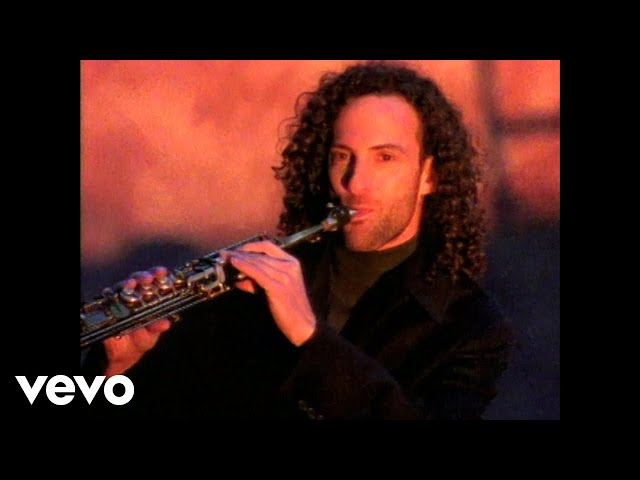
Included on the 1996 album “The Moment.” A saxophonist born in 1956 from Seattle.
In 1999, he was recognized by the Guinness Book for having the highest cumulative album sales.
This track is notable for its gentle piano intro and velvety saxophone playing.
Sick Talk (feat. Becca Stevens)Kneebody

“Sick Talk,” a track by the American fusion band NiiBOdi.
The arrangement puts the female vocals front and center, while also showcasing more jazz-like playing rooted in jazz-derived fusion.
Highlights include the passionate, delay-drenched trumpet solo that hits right from the intro, and there’s a joy in discovering something new no matter how many times you listen.
Noonward RaceMahavishnu Orchestra

The Mahavishnu Orchestra was a jazz-rock fusion band active from 1971 to 1987, formed by the British guitarist John McLaughlin.
This track is included on the album The Inner Mounting Flame, released in 1971.