

Just listening to it purifies the heart... A healing song born in the Showa era.

Masterpieces born in the Showa era all carry a certain wistfulness that reflects the spirit of their time, don’t they?
That nostalgic atmosphere alone can stir the heart just by listening.
This time, we’ve put together a list of especially soothing songs from among those Showa-era classics.
From songs that celebrate great love to ones steeped in melancholy, we selected them with a focus on melody and ensemble, so we hope you’ll find tracks that match your mood.
- A roundup of classic Showa-era kayō songs: a comprehensive introduction to timeless tracks loved across generations.
- The nostalgic atmosphere tugs at your heartstrings. Tear-jerker songs from the Showa era.
- Heart-touching, tear-jerking masterpieces from the Showa era
- Showa-Era Wedding Songs: A Timeless Collection to Grace Your Ceremony
- Showa-era love songs: A roundup of timeless love songs cherished across generations
- Gently soaking into a weary heart... Healing songs released in the Reiwa era
- Songs that heal a tired heart. A collection of timeless tracks that bring peace to the soul.
- Healing songs from the Heisei era that soothe daily fatigue and stress
- Evokes the charm of the good old days. Showa-era inspirational songs that are still loved today.
- Showa-era nostalgic songs: Popular ranking
- A soothing song. A heart-calming tune you’ll want to listen to when you’re tired or feeling down.
- Thrilling to Cool Showa-Era Tunes! Classic Songs from Female Singers and Artists of the Showa Period
- Showa-era masterpieces roundup: A must-listen collection of nostalgic oldies and hit songs
Just listening purifies the heart... Healing songs born in the Showa era (11–20)
Like the flow of a riverMisora Hibari

A gem of a masterpiece released as the final song during the lifetime of Hibari Misora, who was active from the Showa into the Heisei era.
Comparing life to the flow of a river, the lyrics gently portray a journey that moves serenely beyond the times and really resonate in the heart.
Released on January 11, 1989, the piece is said to have been created with a message for younger generations.
Penned by Yasushi Akimoto, the lyrics express the grandeur and calm of life, teaching us the importance of believing that, even when faced with hardship, a tranquil time will eventually come.
This work strongly reflects Hibari Misora’s own view of life and has the power to soothe the listener’s heart.
It’s the perfect song for times when you’re troubled by life or when you simply want to relax and unwind.
One Thousand and One Seconds StoriesMatsuda Seiko
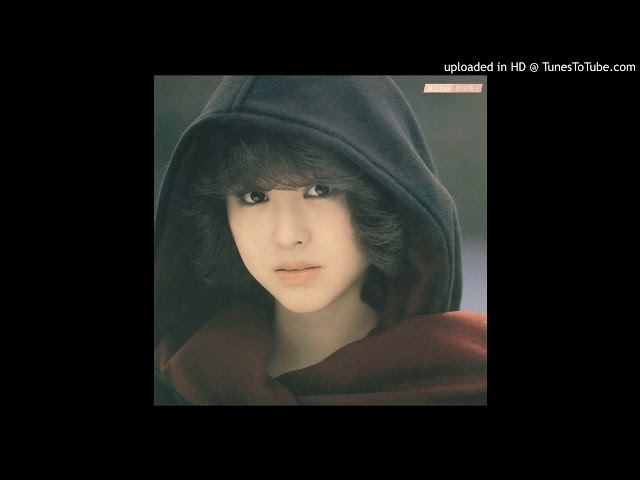
A song crafted by the golden duo of Takashi Matsumoto and Eiichi Ohtaki, celebrated for its enchanting, otherworldly atmosphere.
Set against the backdrop of the night sky, the story is exquisitely brought to life by Seiko Matsuda’s crystal-clear vocals.
Many listeners have surely been captivated by its shimmering yet bittersweet melody that whisks you into a dreamlike world in an instant.
Featured on the album “Kaze Tachinu,” released in October 1981, this track has been lovingly cherished by fans over the years.
On a quiet night, when you wish to forget the clamor of everyday life and encounter something beautiful, its sophisticated sound will gently soothe your weary heart.
Lapis-Lazuli EarthMatsuda Seiko

A warm message that finds hope in the darkness makes this one of Seiko Matsuda’s signature songs, capturing countless hearts and never letting go.
The piece unfolds from an image of two people, who have supported each other through hardship, being wrapped in the morning sun, into a grand theme in which they become travelers aboard the ship called Earth, wishing to protect this irreplaceable planet.
Released on the album “SUPREME” in June 1986, it was famously used in 2010 as wake-up music on the International Space Station.
Featured in high school music textbooks as well, the song has been passed down across generations.
It’s perfect when you need hope for tomorrow or want to feel a gentle warmth.
In conclusion
This time, we introduced some soothing songs released in the Showa era—what did you think? Every track has a way of gently embracing a tired heart and body, doesn’t it? Since many of them have a relaxed tempo, they’re also great picks for people who aren’t very confident at karaoke!