

Tears won’t stop with these sentimental lyrics! Heisei-era tearjerker songs

In every era, there are sentimental songs that tug at our heartstrings.
Songs about the pain of heartbreak, of course, and those that depict an eternal farewell with someone dear—just picturing those scenes can bring you to tears.
And it’s not only sad songs; there are also countless tracks that express gratitude.
So this time, we’re introducing tear-jerker songs born in the Heisei era.
Why not give them a listen when you want to have a good cry?
- Heart-wrenching Japanese hit songs from the 2000s. Songs that make you cry.
- [For when you want to cry or feel sad] Tear-jerking masterpieces that make you cry when you listen
- Tear-jerking J-pop from the ’90s. Hit songs and real tearjerkers.
- Tear ducts guaranteed to burst! Heart-wrenching masterpiece songs I’d recommend to Gen Z
- From bittersweet tracks to heart-wrenching tunes! Heisei-era unrequited love songs
- For When You Need a Good Cry: Soul-Soothing Tearjerker Classics — Life, Love, and Work
- A beautiful melody soothes the heart… Heisei-era ballad hit songs
- [Today's Tearjerker Song] Tear ducts destroyed! Timeless and trending tracks that will make you cry no matter what
- The nostalgic atmosphere tugs at your heartstrings. Tear-jerker songs from the Showa era.
- Tear-jerking youth songs: recommended classics and popular tracks
- Just listening will surely move your heart! A moving song that represents the Heisei era.
- Heisei-era heartbreak songs: A roundup of classic tracks from the ’90s to the 2010s
- [Just the Lyrics Make Me Cry] Tear-Jerking Songs That Touch the Heart
Tears won’t stop with these sentimental lyrics! Heisei era tearjerker songs (11–20)
DOLLSJanne Da Arc

A song by Janne Da Arc whose poignant sorrow hidden within its intensity strikes the heart.
Released in May 2004, this work drew attention as the first of three consecutive weekly singles commemorating the fifth anniversary of their major-label debut.
It reached No.
7 on the Oricon charts and earned Gold certification.
The lyrics, depicting a lost love, resonate deeply with listeners.
Many can likely relate to the painful situation in which both the one who initiates the breakup and the one who is left are hurting.
It’s a song that stands by those bearing the pain of heartbreak and anyone who has experienced parting with someone dear.
March 9Remioromen
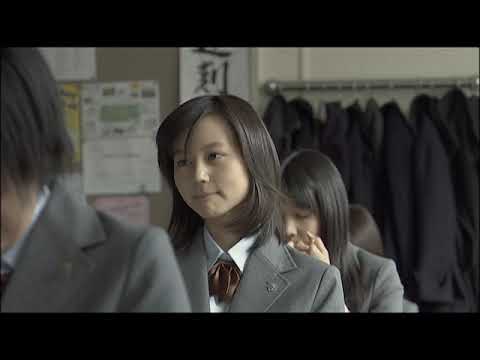
A moving classic that evokes graduation and new beginnings.
Ryota Fujimaki’s warm vocals and the band’s performance deftly express the emotions of parting and setting off.
It was originally created as a gift for a friend’s wedding, but it has continued to be loved as a song that stays close to many people’s hearts.
As for tie-ins, it has been used in various contexts, including as a CM song for AOKI and as an insert song in “1 Litre of Tears.” It’s a perfect recommendation for those facing life’s milestones or wanting to convey gratitude to someone important.
Released in March 2004, this work has been covered by many artists and remains a beloved song that transcends generations.
Broken RadioTokunaga Hideaki

Like music flowing from a nostalgic radio, a timeless song that seeps into the heart along with memories was created by Hideaki Tokunaga in July 1990.
The track, which overlays the feelings of a boy transitioning from adolescence to adulthood with the image of a broken radio, was used as the theme song for the TBS drama “Tokai no Mori” (“Urban Forest”) and reached No.
5 on the Oricon Weekly Singles Chart.
Featuring a grand arrangement by Ichizo Seo and beautifully harmonized with Tokunaga’s delicate vocals, the song artfully blends elements of pop and ballad into a moving piece.
It was also included on the album “JUSTICE” and performed at NHK’s Kōhaku Uta Gassen in 2006 and 2009.
Conveying the transience and passion of youth, as well as a yearning for self-renewal, this work gently embraces the emotional fluctuations everyone experiences while growing up—a resonant song that speaks to the heart.
May it be filled with kindnessJUJU

This is a heartwarming ballad that gently embraces deep love and gratitude for someone precious.
Even as everyday life changes in the blink of an eye and we feel on the verge of losing sight of what truly matters, the presence of a loved one reminds us of life’s meaning and joy.
The song portrays the beauty of unconditional love and mutual support, conveyed through a voice that resonates with the heart.
Released in February 2009 as JUJU’s ninth single, it became her first to enter the Oricon Weekly Top 10 and was also featured in a collaborative commercial by MTV Japan and Nissan.
Included on the album “What’s Love?”, it has garnered wide support, including numerous cover versions by various artists.
It’s a song you’ll want to listen to when your feelings for someone special overflow or when you want to express your gratitude.
Let the warm vocals fill your heart with kindness.
Theory of the Mindful HeartRADWIMPS

A signature ballad by RADWIMPS that gently soothes hidden feelings and a lonely soul.
Its poetic lyrics, which portray delicate emotions, and its emotional melody sink deeply into the heart.
You can’t help but empathize with the protagonist—burdened by self-denial and fear of others—who encounters a pure presence, is cleansed at heart, and discovers a new self.
Released in July 2006, it reached No.
13 on the Oricon weekly chart.
It was later included on the album “RADWIMPS 4 ~Okazu no Gohan~,” significantly boosting the band’s popularity.
When you feel lost in life or have experienced a farewell with someone precious, this song is sure to be a source of support.
Tearful KissSazan Ōrusutāzu

A bittersweet yet beautiful melody that seeps into the heart, this ballad delicately portrays the protagonist’s sorrow and lingering feelings as they face a breakup with a lover.
The emotionally rich vocals woven by Southern All Stars, together with a simple instrumental arrangement, convey the pain of heartbreak with striking clarity.
Released in July 1992, it drew major attention as the theme song for the drama “Zutto Anata ga Suki Datta.” It became Southern All Stars’ first million-selling single and won the Excellence Award at the 34th Japan Record Awards.
Whether you’re seeking to heal the sadness of parting or reminiscing about past love, this song gently stays by your side—and continues to be a source of comfort for many to this day.
I can't stop crying at these sentimental lyrics! Tearjerker songs from the Heisei era (21–30)
Tears of MagnoliaSutādasuto☆Rebyū

A love ballad that sings of the profound sense of loss after losing the lover to whom eternal love was vowed.
Using the magnolia—the flower that symbolizes spring—as its motif, it beautifully depicts warm memories with a beloved person and the loneliness felt after their loss.
It was included as the first track on Stardust Revue’s album “SOLA,” released in March 1993, and was later released as a single, selling 150,000 copies.
In 2005, an acoustic version was produced for a Nikka Whisky commercial.
For those who have lost someone precious or who recall bittersweet memories in the spring season, this work will resonate deeply with your heart.