

From emotional tracks to exhilarating tunes! Heisei-era youth songs

When you think of songs that bring back memories of your youth, what kinds of tracks come to mind?
There are songs that remind you of friends or lovers from your school days, songs that take you back to the sweat and effort you put into club activities—everyone has tracks that overlap with their own youth.
And if you’re a student now, there are probably many of you who can relate to these feelings in real time.
This time, we’ll introduce some of the most famous youth anthems born in the Heisei era.
Whether you’re from that generation or not, be sure to check them out!
- Emotional songs from the Heisei era. Nostalgic tracks that really hit you.
- A collection of uplifting, youth-themed songs — timeless tracks that set your heart on fire
- Cool songs of the Heisei era. Hit tracks that energized the times.
- From bittersweet tracks to heart-wrenching tunes! Heisei-era unrequited love songs
- Heisei-era graduation songs roundup: iconic youth anthems from the ’90s to the 2010s
- A roundup of youth-themed songs recommended for high school students
- A Must-See for Those in Their 20s: A Collection of Youthful Songs That Bring Back School Days
- Heisei Song Collection: Iconic Hits That Colored the ’90s and 2000s
- [Guaranteed to resonate!] Youth songs that strike a chord with teens. Recommended coming-of-age tracks.
- Songs from the Heisei retro era that will get any generation excited! Timeless tracks you’ll want to listen to now.
- A poignant masterpiece that sings of adolescence. Popular songs you’ll want to hear during your teenage years.
- Tear-jerking youth songs: recommended classics and popular tracks
- Relive those feelings from back in the day! Youth anthems recommended for the Yutori generation
From emotional tracks to exhilarating ones! Heisei-era youth songs (11–20)
A view I’ve never seen beforeSuda Masaki

This is the debut single by Masaki Suda, whose distinctive presence has made him stand out as an actor and who now also delivers hit numbers as a singer.
The song was used in the popular au commercial series “Santaro Series” for the “au BLUE CHALLENGE,” in which Suda himself appears, and it’s a rock tune that showcased his side as an artist to the world.
While the sound is refreshingly modern, the arrangement retains a touch of classic, gritty rock, creating a pleasing synergy with his straightforward vocals.
With its sense of speed and momentum, it’s an energizing track that feels like a tailwind for athletes.
Time goes byEvery Little Thing
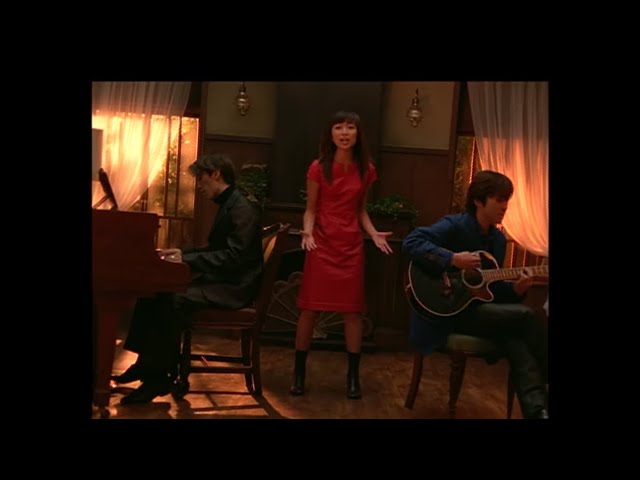
This work, which set the group’s all-time sales record, is a masterpiece ballad of the Heisei era, with Kaori Mochida’s gentle yet powerful vocals striking straight to the heart.
The lyrics portray two people whose desire for each other causes them to drift apart, conveying a sense of hope for the future even amid the sadness.
Released in February 1998 as their eighth single, it became widely known as the theme song for the drama “Amai Kekkon” and as the CM song for Toyota’s HILUX SURF SSR-V.
It’s also included on the classic album “Time to Destination,” and is a must-listen—especially on nights of romantic turmoil or when you want a quiet moment of self-reflection.
fragileEvery Little Thing

Widely beloved as the theme song for the romance observation show “Ainori,” this renowned ballad remains deeply etched in many people’s memories.
The lyrics woven by Kaori Mochida delicately portray the fragility of human relationships—not limited to romance—and the clumsy hearts that struggle to be honest.
Those earnest feelings resonate in the heart, carried by a gentle yet powerful melody.
Released in January 2001, this work is also a landmark piece as Every Little Thing’s first Oricon No.
1 after becoming a duo.
Included on the classic album “4 FORCE,” it has been cherished for many years.
It’s a number that offers a warm, quiet companionship on nights when you’re troubled by a relationship with someone important or when you want to face your own vulnerabilities.
Farewell to the days of youthTHE Inazuma Sentai

A powerful rock ballad that passionately sings of the ache of days that won’t return and the hope for the future.
It was included on a single released by THE Inazuma Sentai in November 2006.
This song was also used as the ending theme for the TV anime Silver Olinssis.
Loved for many years as a number that symbolizes the band’s lyrical side, it conveys a message of saying farewell to the past and stepping into the unknown, giving a strong push to those facing graduation.
to youMONGOL800

Despite never being released as a single, this signature song by MONGOL800 has been featured in a variety of places, including insert tracks that color a film’s final scene, drama opening themes, and commercials.
In 2001, the album MESSAGE—featuring this track and the well-known classic Chiisana Koi no Uta—was released and became a huge hit, cementing Monpachi’s popularity.
Its straightforward lyrics about love and its fresh, powerful sound give courage and energy to both singers and listeners.
Why not sing it while reminiscing about a page from your youth?
KanadeSukima Suichi

This is one of Sukima Switch’s signature ballads, the kind you want to listen to when the season of farewells arrives.
Released as a single in March 2004, it’s also well known as an insert song for the film “Rough” and as the ending theme on the final day of the 2006 “Nettō Kōshien.” The lyrics, set to a wistful melody, portray parting with someone important while holding on to hope for the future.
Many listeners are surely moved by its message of a strong bond that keeps people connected through song even when they’re apart.
Featured on the album “Natsugumo Noise,” it has remained beloved and has been covered by many artists.
It’s a song perfect for spring, when life changes—whether you’re taking a new step forward or looking back nostalgically on your youth.
From emotional tracks to exhilarating tunes! Heisei-era youth songs (21–30)
TOMORROWMayo Okamoto

With its uplifting lyrics and buoyant piano melody, this is a pep song that gives courage to listeners.
Singer-songwriter Mayo Okamoto’s debut single “TOMORROW,” released in May 1995, was chosen as the theme song for the TV drama “Second Chance” and became a massive hit, achieving Double Platinum status.
Its message—that strength lies beyond the tears—will surely give a powerful push to graduates embarking on a new world.
Beloved enough to be selected as the entrance march for the National High School Baseball Tournament in March 1996, this song is widely cherished.
Sing it with friends at a reunion, and your memories of youth are sure to come vividly rushing back.