

Popular, easy-to-sing karaoke numbers by Official HIGE DANDism


Official HIGE DANDism, known for delivering one catchy hit after another like “Pretender,” “I LOVE…,” and “Mixed Nuts.” Have you ever wanted to sing their songs at karaoke but hesitated, thinking the high keys and complex melodies might be too tough for you? In fact, there are quite a few HIGEDAN songs that are relatively easy to sing.
In this article, we’ve picked out HIGEDAN tracks that are beginner-friendly in terms of vocal range and tempo.
Use this as a guide for your next karaoke selection!
- Even karaoke beginners can relax! Easy-to-sing songs for men
- A must-see for low-voiced women! Popular songs that are easy to sing at karaoke
- [Even If You're Tone-Deaf, It's Okay!] Easy-to-Sing Karaoke Songs and Practice Tracks
- [Karaoke] A roundup of songs that are easy for women to sing!
- [Karaoke] Songs That Make It Easy to Score High | From Classics to the Newest Hits
- Karaoke songs where even men with low voices can aim for high scores
- [Karaoke] A roundup of easy-to-sing Fujii Kaze songs
- Karaoke songs recommended for men with low voices or who are good at singing in a low register
- Recommended for teenage girls! Easy-to-sing karaoke songs
- [For People in Their 40s] Karaoke Songs That Are Easy to Sing: 2026 Ranking
- [Karaoke] A roundup of easy-to-sing songs by Da-iCE
- [High School Students] Karaoke Songs That Are Easy to Sing: Ranking [2026]
- Must-see for men: Songs that look cool if you can sing them at karaoke—numbers that women can’t help but be captivated by.
Top 10 popular Official HIGE DANDism songs that are easy to sing at karaoke (1–10)
Stand By YouOfisharu Higedan Dism

The song “Stand By You,” where the strings provide a nice accent.
Although this piece is categorized as J-POP, it features a somewhat tricky rhythm and calls for a groove that takes the beat on the offbeats, similar to Black music.
That might sound difficult, but among Official HIGE DANDism’s songs, this one falls into the narrower vocal range category.
Aside from one spot in the chorus and the bridge (C section), there aren’t any sudden jumps in pitch, so if you can lock into a more Western-style rhythmic feel, you should be able to sing it without any problems.

Coffee and syrupOfisharu Higedan Dism

It’s a heartwarming song that evokes the feeling of a drink after work.
The lyrics, depicting the daily struggles of working adults, resonate over a pleasant melody.
Included on the second mini-album “MAN IN THE MIRROR,” released in June 2016, it has struck a chord with many listeners.
You can feel the determination to keep looking forward despite stress and worries, and it’s truly encouraging.
The song isn’t too high in range, making it perfect for karaoke, especially when you want to have fun with coworkers after work.
Let Official HIGE DANDism’s warm vocals soothe you—this is a wonderful track that gives you energy for tomorrow.
Bad for MeOfisharu Higedan Dism

Released in 2018 as a digital-only single and used as the theme song for the TV drama “Good-Bye,” “Bad For Me” features a commanding brass section and a lively beat that really lifts the energy.
Since the melody includes passages that stay in a high register, if it doesn’t suit your vocal range, try adjusting the key on your karaoke machine.
Although there are complex melodic lines and leaps in pitch, it’s overall catchy and easy to remember—an undeniable uptempo crowd-pleaser that’s sure to hype up any karaoke session.

Official HIGE DANDism’s Popular Karaoke Songs That Are Easy to Sing (11–20)
YesterdayOfisharu Higedan Dism
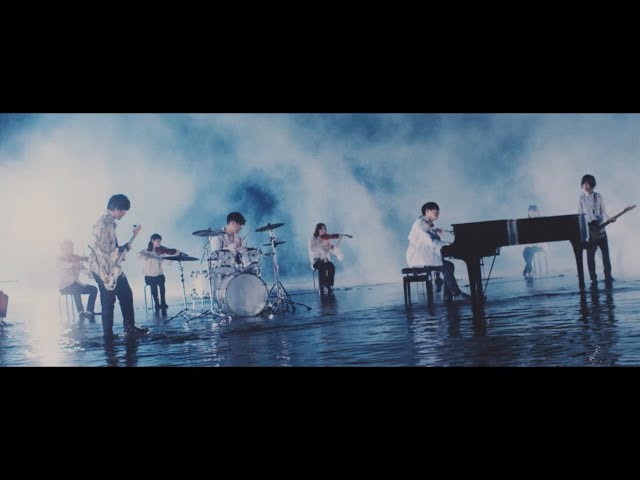
With its striking piano tones, Satoshi Fujiwara’s clear, translucent vocals resonate deeply.
The lyrics depict someone striving to protect the smile of a loved one, conveying profound love and a readiness for self-sacrifice.
Released in September 2019, this song became well loved as the lead track from the album “Traveler” and was also used as the theme song for the animated film “HELLO WORLD.” It’s popular as an easy song to sing at karaoke, and by singing it with emotion, you can appreciate the piece’s appeal even more.
vintageOfisharu Higedan Dism

Vintage, a masterpiece by Official HIGE DANDism, stands out for its delicate sound and structure.
Rather than typical J-pop, this piece features instrumentation closer to pop rock.
That said, the rhythm is easy to catch, so you won’t feel the genre makes it hard to sing.
The song has a somewhat wide vocal range and uses a fair amount of falsetto, but it doesn’t require the kind of difficult low falsetto notes.
If you can hold pitch solidly in falsetto, the range shouldn’t be much of an issue.
If you want to sing it even better, try slightly blending an R-like articulation when vowels “a” and “e” appear.
This will bring you closer to a crisp, Western-influenced vocal tone like that of Satoshi Fujihara or Dai Hirai.
A Philosophy of Happiness Led by the First TrainOfisharu Higedan Dism

It’s a bittersweet love song that uses the scene of the first train stealing away a lover to question farewell, regret, and the meaning of happiness.
The overall vocal range is F#3–D5, which is generally on the higher side, but since it’s a band sound, it should be easy to sing if you can ride the rhythm.
The melody is simple, so it shouldn’t be hard to learn the song! The high notes in the chorus require a horizontally drawn articulation—be careful not to strain too much.
Create space in your mouth and aim the voice slightly upward as if you’re humming—that works well! Breath control and quick attack are key.
The ending features a high-tone long note, so make sure to manage your breath properly!

Line up before loveOfisharu Higedan Dism

Released on April 22, 2015, “Koi no Maenarai” is a representative early track.
It’s a refreshing pop-rock tune with both lightness and warmth, and its march-like rhythm makes it very easy to get into! In their early days, HIGE DAN didn’t stack tons of high notes, and the keys are set in a range that’s relatively singable for the average male vocalist.
If you like HIGE DAN but feel their songs are too high to sing, definitely start with their early work.
There are plenty of songs that feel distinctly HIGE DAN without requiring soaring high notes! That said, there are still some higher parts, so it might help to sing with your facial muscles lifted and imagine resonating in your head throughout.