

2012 Hit Song Rankings! A roundup of nostalgic classics all at once

In this article, we’ll be showcasing a roundup of Japanese hit songs from 2012 (Heisei 24)! How old were you back then? Maybe you were enjoying your student life, just starting out as a working adult and learning the ropes, or perhaps you got married and welcomed a child.
These are all songs that will likely bring back memories the moment you hear them, so please read through to the end! It’s also a playlist you can use as a reference when choosing songs for karaoke!
- [2013 Japanese Hit Songs] Masterpieces that Colored the Ama-chan Boom, Group Popularity, and the Band Scene
- Hit songs that colored 2011! Timeless tracks that bring back those days
- Hit J-Pop songs of 2007: the appeal of hit tracks that exude a positive vibe
- A Must-See for the Heisei Generation: Nostalgic Songs That Were Popular in the Heisei Era
- Hit J-Pop songs of 2014: recommended classics and popular tracks
- Songs that were popular last year. A collection of iconic tracks that symbolize 2022.
- [Hit Songs of 2010] A Roundup of Nostalgic Japanese Tracks!
- Best Hit Songs That Were Popular in 2022 [Top Pick]
- AKB48’s classic and hit songs: Relive your youth! A comprehensive introduction to their popular tracks
- Hit J-Pop songs of 2015. Recommended masterpieces and popular tracks.
- [Recommended for your 20s] Songs that get the crowd going at karaoke | From the latest hits to timeless classics
- Recommended karaoke songs for women in their 20s — Heisei/Reiwa hits and the latest tracks
- [20s] Popular Japanese Music and J-POP Rankings [By Generation]
2012 Hit Song Rankings! A roundup of nostalgic classics (1–10)
Face Downarashi
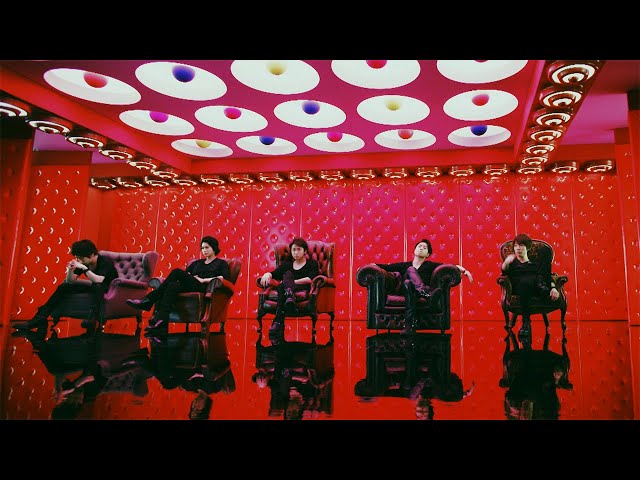
This is their 38th single, released in May 2012 as the theme song for the Monday 9 p.m.
drama “Locked Room.” It features a dark, mysterious electro sound, drawing you in with tense synth bass and a four-on-the-floor beat.
The lyrics depict confronting the other self within—facing a false version of oneself—linking with the drama’s closed-room mystery setting.
It’s a cool, tension-filled track—definitely give it a listen!
cherry blossomHikawa Kiyoshi
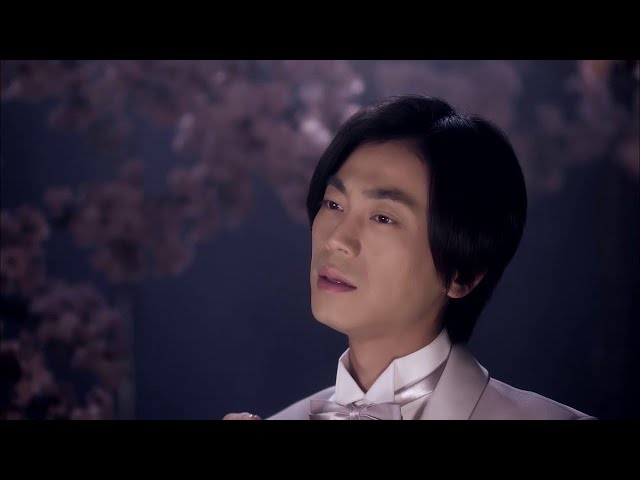
This is Kiyoshi Hikawa’s 21st single, released in February 2012.
The lyrics were written by the renowned lyricist Rei Nakanishi.
It portrays a poignant yet beautiful world where moonlit cherry blossoms and thoughts of the departed intertwine.
It is a story of profound love, imbued with the wish to reunite someday—returning as blossoms in spring.
It remains one of the masterpieces deeply etched in the hearts of enka and kayōkyoku fans.
weNishino Kana

This is the 17th single, chosen as the theme song for the film “Girl.” When you think of Kana Nishino’s music, love songs usually come to mind, but this piece focuses on friendship between women.
It sings of the bond with a friend who understands you better than you understand yourself, a friend with whom you’ve shared both sparkling memories and days of tears.
The bright, light melody and choral work create a warm atmosphere that makes you feel at ease as you listen.
Recommended for when you want to look back on memories with your dear friends.
2012 Hit Song Rankings! A Roundup of Nostalgic Classics (11–20)
ChankapanaNEWS

“Chankapana” was NEWS’s first release as a four-member group, titled with a coined word meaning “beloved person.” It’s a track where an exotic mood merges with a funky pop sound.
The lyrics depict a passionate love sparked at first sight, revealing the story of an adult romance marked by fiery, fleeting moments.
It’s a song you can’t help but groove to.
OrangeGRe4N BOYZ

A song that captures the moment when feelings for someone you like overflow on the way home dyed by the sunset.
Released in April 2012 under the name GReeeeN as their 16th single by GRe4N BOYZ, it was used in a Shiseido “SEA BREEZE” commercial.
The lyrics describe how simply walking side by side makes your heart race, and the more you think about it, the harder it becomes to hold back the urge to confess—sung over a refreshing, fast-paced band sound.
It’s a recommended track for anyone who wants to relive the delicate feelings of a school-days crush.
The BeginningONE OK ROCK

Released in 2012 as their seventh single, this song was written specifically as the theme for the film Rurouni Kenshin.
Originally composed on piano, the melody was arranged for a full band, resulting in a fast-paced rock tune brimming with drive.
The lyrics carry a powerful message: no matter how many times you fall, it isn’t over as long as you keep getting back up.
It’s a track that fires you up—perfect for those moments when you’re taking on a challenge or facing difficulties and need a push forward.
Like the shining moonSuperfly

Released in August 2012, this single is a ballad that was used as the theme song for TBS’s Sunday drama “Summer Rescue: The Clinic on the Sky.” Through the relationship between the sun and the moon, it expresses how the light received from a loved one makes oneself shine, and the desire to become the light that illuminates that person in return.
It conveys gratitude to the one who opened a once-lonely heart, and a resolve to live for that person.
Shiho Ochi’s soulful vocals deliver these themes with powerful emotion.
Why not give it a listen when you’re at a turning point in life?