

[Stars, Fireflies, etc.] A collection of songs whose titles start with “Ho” (ほ)

When it comes to words that start with “ho,” things like “hoshi” (star), “hotaru” (firefly), and “howaito” (white) are easy ones to think of, right?
So, what songs are there with titles that start with “ho”?
In this article, we’ll introduce songs whose titles begin with “ho”!
We’ve gathered a variety of tracks, including theme songs from hugely popular animated films, songs that drew attention for their costumes, and long-beloved classics.
Whether it’s a song you’ve listened to often or one you haven’t heard much before, take this opportunity to check them out!
- A compilation of Vocaloid songs with titles starting with 'Ho'
- Masterpieces that sing of the stars. Star songs that resonate in the heart, best heard beneath the night sky.
- Songs with titles that start with “Hi.” The vast world of “Hi.”
- Songs with titles that start with “Su.” A collection of tracks useful for shiritori.
- Summary of Vocaloid songs with titles starting with 'Bo'
- Compilation of Vocaloid songs with titles starting with “Ha”
- A compilation of Vocaloid songs with titles starting with “He”
- Songs with titles that start with “Ha.” Lots that evoke the seasons!
- Songs whose titles start with “He.” Useful for shiritori or karaoke.
- Summary of Vocaloid songs with titles starting with 'Hi' (ひ)
- Songs themed around light: A collection of tracks that include the word 'light' in their titles or lyrics.
- Songs with titles that start with “po”
- Songs with titles starting with 'Fu': a unique and wide-ranging world of 'Fu'
[Stars, Fireflies, etc.] A Collection of Songs Whose Titles Start with “Ho” (11–20)
After-school Request!ikinari tōhoku-san

Familiar as the ending theme song of the TV anime “Onegai Aipripi,” this track sung by Iginari Tohoku San is perfect for school sports day performances.
It’s included on the single “DECO!” released in March 2026.
The song conveys a positive feeling of listening to someone in need and taking a step forward to grant their wish, featuring a cute and upbeat sound.
With a bright rhythm that will make kids smile, it’s recommended for group dance numbers with friends.
It’s also fun to jump along with the call-and-response parts in the song or to move energetically while wearing adorable costumes made by the teachers.
Come up with simple choreography and get everyone excited together!
HOT!SCOOP!CANDY TUNE
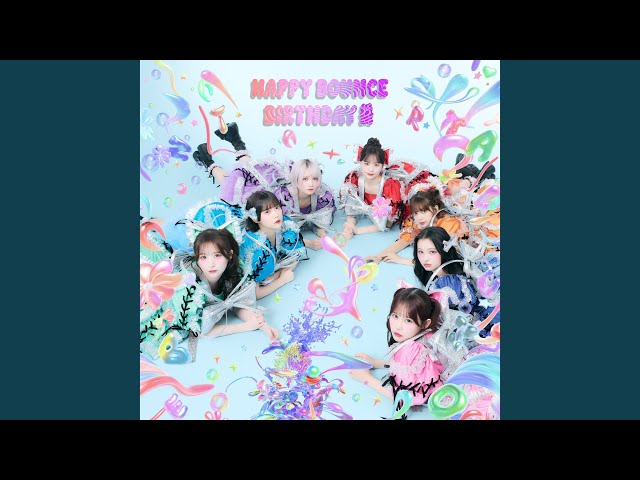
A highly addictive track where a thrilling sense of speed perfectly fuses with the fun of idol pop.
CANDY TUNE, a cutting-edge idol group broadcasting pop culture from Harajuku to the world.
This song, included on their third single CD “HAPPY BOUNCE BIRTHDAY” releasing in April 2026, is a celebratory feast tune chosen as the new TV commercial song for the bento chain Hotto Motto.
Its worldview brilliantly links food-related words with budding romance, sure to satisfy both your stomach and your heart as you listen.
With its catchy choreography also making waves, this hot, high-energy anthem is perfect for getting loud with friends at karaoke.
Cheer of StarlightGReeeeN

This is a song by GReeeeN, released in 2020 as the theme for the NHK morning drama series “Yell.” With their faceless performance style and the unique background of being dentists, they sing about the feelings of thinking of a loved one far away.
Rather than the bright light of day, their warm words of encouragement seem to arrive quietly from the night sky, gently comforting the listener’s heart.
The tender, enveloping melody line and the warmth of multiple voices layered together feel like a perfect match for a parachute performance where everyone moves in sync.
The way the emotions gradually build throughout the song should make the dynamic highlight at the end of the performance even more moving.
flameLiSA

Released as a single on October 14, 2020, it is the theme song for the film Demon Slayer: Kimetsu no Yaiba the Movie: Mugen Train.
Many people likely got to know LiSA through Demon Slayer.
Unlike Gurenge, Homura is a ballad-style song that makes it easier to match the pitch, and if you practice thoroughly, you can aim for a score of over 90.
Tips for a high score include singing carefully in a ballad-appropriate manner that conveys a poignant emotion, using falsetto if chest voice is difficult, and delivering a powerful expression in the chorus.
Since the tempo is relaxed, be careful not to rush through the lyrics.

Music Room After SchoolGONTITI

Would you like to be wrapped in a nostalgic melody that evokes the scent of school at dusk? The gentle tones of the acoustic guitar softly ease a weary heart.
This piece, included on the compilation album “image” released in August 2000, is still loved by many.
Performed by GONTITI, it reached living rooms nationwide as the theme for Mandom’s “Lucido-L” commercial, and was later used in SoftBank’s “Shiratoke” series of commercials.
It was also featured in high school music textbooks.
Its quiet resonance, like tracing old memories, is perfect for a night when you want to relax alone at your own pace.
Hotlinefumino
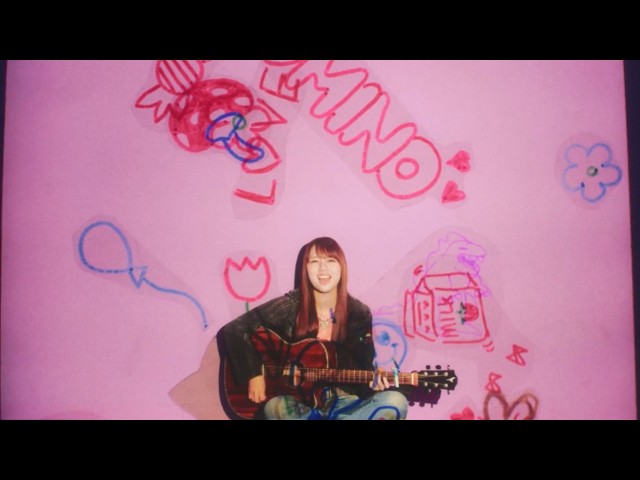
A warm track where unadorned, true-to-life words resonate over the gentle tones of an acoustic guitar.
Fumino, who embarked on a solo career in March 2026, self-produced the piece—writing, composing, and performing it herself.
Woven into her tender, conversational vocals are invisible bonds and heartfelt gratitude toward a close friend from her school days.
Released digitally right after her debut in March 2026, it reached No.
20 on Oricon’s daily chart.
The simple arrangement and nostalgic harmonica create an intimate, diary-like feel.
When someone dear who lives far away suddenly comes to mind, this song will quietly stay by your side.
[Stars, Fireflies, etc.] A Collection of Songs Whose Titles Start with “Ho” (21–30)
Broadcast✴︎Haraguchi Sasuke

This is an addictive, club-tune-style track by Sasuke Haraguchi featuring Kasane Teto.
Released in February 2026, it was selected as the official image song and commercial theme for Shogakukan’s Gagaga Bunko light novel “1/n no Watson.” Production began after a personal request from the original author, and it was later officially adopted as the CM song.
Its densely packed sound within a short runtime pairs perfectly with the sensibilities of the social media era, and it carries a message that evokes today’s online world where dubious information constantly flies around.