

A masterpiece piano ballad

This is a song list of ballads performed by Japanese singers, featuring striking piano sounds.
It’s packed with highly soothing tracks whose warm piano tones and gentle melodies will put listeners at ease.
Recommended for those who are feeling tired.
- J-POP to Play on Piano | A Curated Selection of Beautiful, Soul-Cleansing Ballads
- [Touching the Heart] Timeless Ballad Masterpieces. A Collection of Unfading Classics and the Latest Songs [2026]
- [Piano × J-POP] Tearjerker! A Selection of Moving/Touching Songs
- Poignant and beautiful! A collection of recommended piano pieces
- [2026] A Collection of Classic Japanese Ballads with a Jazz Flavor
- [Calming Classics] Soothing masterpieces whose piano melodies gently touch the heart
- A lineup of timeless masterpieces to pass down to future generations! Ballad songs born in the Reiwa era
- Hidden gems of Western ballad songs. Recommended popular tracks.
- A ballad that will definitely make you cry at karaoke
- [2026] Latest Masterful Ballads | A Curated Selection of Heartfelt Love Songs and Uplifting Anthems
- A poignant ballad song. A tear-jerking masterpiece of Japanese pop music.
- Today's Piano: Masterpieces and Popular Pieces Woven with Delicate Tones
- Iconic ballads of 90s J-pop: nostalgic mega-hits and fan favorites
Piano Ballad Masterpieces (11–20)
TearsX JAPAN

It was released in 1993 as X JAPAN’s ninth single.
It became the band’s biggest hit and is also known as the song most beloved by member HIDE.
YOSHIKI, who wrote the song, revealed that he composed it in memory of his late father.
It is a ballad with a beautifully resonant piano tone.
Letter to TomorrowTeshima Aoi

It was released in 2016 as Aoi Teshima’s fifth single.
Chosen as the theme song for the Fuji TV drama “Love That Makes You Cry,” the track gently mirrors the drama’s story while evoking a certain poignancy.
It’s a ballad whose delicate, conversational vocals resonate deeply with the heart.
Tears of Mulan ~acoustic~Stardust Revue
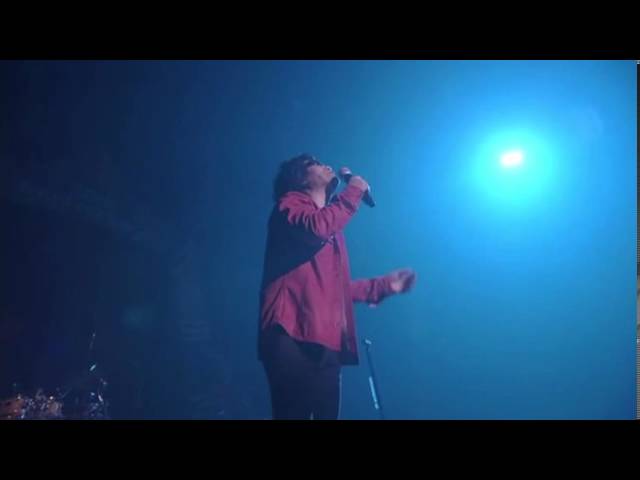
Stardust Revue is a four-member band that made their major debut in 1981 with “Sugar wa Otoshigoro.” Their “Mokuren no Namida ~acoustic~” is an acoustic self-cover of their 1993 release “Mokuren no Namida,” recorded by the band in 2005.
The original is a mid-tempo, gently emotional number, but this version, which opens with a piano intro, slows things down even further, highlighting the original’s sense of poignancy.
The wistful piano tone draws out the beautiful, heartstring-tugging melody that resonates deeply with Japanese sensibilities, leaving a lingering ache in the listener’s heart.

I want to see you nowMISIA

Released in 2009 as MISIA’s 23rd single.
It was used as the theme song for TBS’s Sunday drama “JIN,” and MISIA wrote it specifically for the show with the theme of life.
This masterpiece conveys the weight of life, the bonds between people, the joy of having someone you wish to see, and the feelings you have for that person.
even ifHirai Ken

It was released in 2000 as Ken Hirai’s 11th single.
It reached No.
3 on the Oricon Weekly Singles Chart.
It’s a very heartrending song about a man whose beloved woman loves another man; even knowing that fact, he can’t suppress his feelings.
The piano’s timbre expresses both the sorrow and the man’s heart, making it a masterpiece.
Silent EveKarashima Midori

This is a single released by Midori Karashima in 1990, which was used as the theme song for the TBS drama “Christmas Eve.” It reached No.
1 on the Oricon Weekly Singles Chart.
As Karashima’s biggest hit, it has long been celebrated as a classic Christmas song.
Piano Ballad Masterpieces (21–30)
LetterSHE’S

Among introductions to poignant piano ballads, SHE’S “Letter” is an unmissable track.
The gentle piano accompaniment blends with Ryoma Inoue’s whisper-like vocals to create a moving sound.
The poetic lyrics, which read like a single story across the whole song, are irresistible as well.
The calm, tender resonance of the piano lets you feel the lyrics more deeply.
On top of that, the harmony parts that quietly nestle up to the main melody add a nice touch.
The way your ears naturally gravitate toward these subtle details may be one of the charms of piano ballads.