
[Japan] A collection of J-pop with a traditional Japanese (wa) vibe and Japanese-style taste


Many people probably feel that listening to songs with a Japanese (wa) vibe is calming, don’t you think?
Here, we’ve carefully selected and will introduce some exceptional masterpieces that let you feel that “wa.”
We’ve gathered tracks that evoke Japan’s seasons and hometown nostalgia, as well as songs that might not seem traditionally Japanese at first listen but use Japanese-flavored scales like the yo scale (yonanuki).
There are also pieces with classical-style lyrics or sounds that conjure a Japanese atmosphere in various ways.
Some even include intense EDM and aggressive rock tunes.
These are all wonderful tracks that reveal new sides of famous songs and highlight the charms of Japanese music!
Be sure to find a favorite “wa” song that resonates with your heart!
- A bright, Japanese-style song. A roundup of J-POP with a traditional Japanese flair.
- [Japanese-style BGM] Beautiful tones woven from Japanese tradition
- [Japanese-style Piano Pieces] A selection of recommended works with a pleasantly Japanese flavor
- [Special Feature on the Yo-na-nuki Scale] Hit Songs and Classics That Evoke Nostalgia and a Sense of Wa (Japanese Aesthetics)
- [Classic and Contemporary Hits] Emotionally Stirring, Heart-Touching Songs
- The Spirit of Japan: A Collection of Famous and Popular Shamisen Pieces
- It cleanses the soul… Great J-pop songs recommended for the yutori generation
- Gen Z listeners, take note! Great songs that color the J-pop scene
- [Tearjerker] Songs that make your heart tremble with tears & moving tracks with lyrics that touch the soul
- A nostalgic song—a timeless classic that somehow feels familiar and touches the heart.
- [April 2026] Trending songs: A roundup of the hottest, viral tracks right now
- Kids will love it! A collection of dance song ideas with easy-to-follow rhythms
- Songs that heal a tired heart. A collection of timeless tracks that bring peace to the soul.
[Japan] A Collection of J-Pop with Traditional Japanese (Wa) Vibes and Japanese-Style Taste (51–60)
The Wheat SongNakajima Miyuki

This piece was specially written as the theme song for the NHK morning drama series “Massan.” It’s a track by singer-songwriter Miyuki Nakajima from Hokkaido, released in 2014 as her 44th single.
Her powerful vocals are just undeniably cool! In terms of style, it’s not the Edo-period kind of “Japanese” sound you might imagine; it feels more modern yet still has a retro vibe.
That’s precisely why the straightforwardness of the melody really shines.
If you’re looking for a Japanese-style song that’s a bit different from the usual, give this one a listen.

BeautifulSuperfly

This song became a hot topic when it was chosen as the theme for the drama “Mother Game: Kanojotachi no Kaikyū.” It’s a track by Superfly, the solo project of Shiho Ochi known for her soulful vocals, and it’s included on their fifth album, “WHITE,” released in 2015.
The song’s energetic tone, melody, and lyrics—each one stirs the heart.
And perhaps the reason its appeal is so immediately graspable is that it carries a hint of traditional Japanese flavor.
StarlightWagakki Band
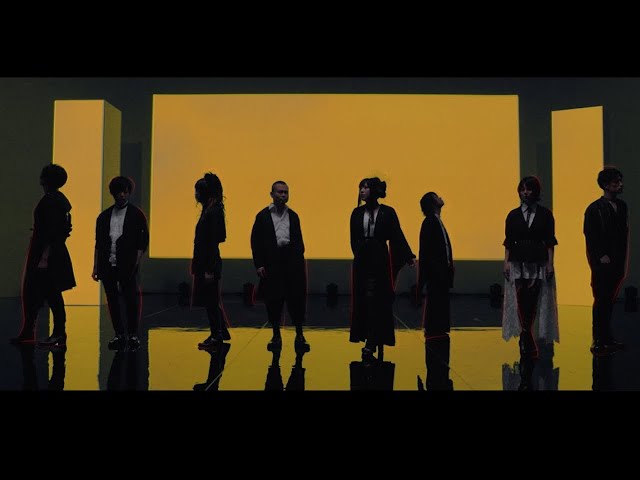
A song by the mixed-gender eight-member rock band WagakkiBand, chosen as the theme for the TV drama Ichikei no Karasu.
To dispel preconceived notions based on the band’s image, it was released under the name WGB.
While deliberately toning down the signature WagakkiBand style, its high level of completion still showcases the band’s depth and prowess.
Despite its modern tone, the timbre of traditional Japanese instruments woven throughout the track imparts a distinctly Japanese flavor, resulting in a work that fuses tradition and popular music at a high level—something other artists cannot easily replicate.

fireworks (launched into the sky)DAOKO × Yonezu Kenshi

A song by DAOKO, a multi-talented female artist active as a rap singer and novelist.
Composed by singer-songwriter Kenshi Yonezu, this track was chosen as the theme song for the film “Fireworks.” Blending a Japanese aesthetic evoked by its lyrics and melody with contemporary arrangements, the piece feels both traditionally Japanese and at the cutting edge of J-pop.
It’s a modern work that elevates the charms of classic Japanese melodies into popular music, fusing a Japanese sensibility with a modern sound.
[Japan] A Collection of J‑Pop with Traditional Japanese Flair (61–70)
TOKYO GIRLTOKYO GIRL

This song was released under the name HITOMINMI, a collaborative unit by Hitomi Shimatani and MINMI.
The reggae sound with its emphasized beat and the bustling tones of traditional Japanese instruments create an intriguing sense of contrast.
By combining Japan’s traditional timbres with modern dance music, it expresses a wide spectrum of Japanese culture from ancient times to the present.
The worldview depicted in the lyrics also conveys the flashy atmosphere of contemporary Tokyo, resulting in a piece that strongly communicates a sense of fun.
It’s a unique track that projects Japan itself—a country that has evolved by incorporating diverse cultures.

cherry blossomKawaguchi Kyogo
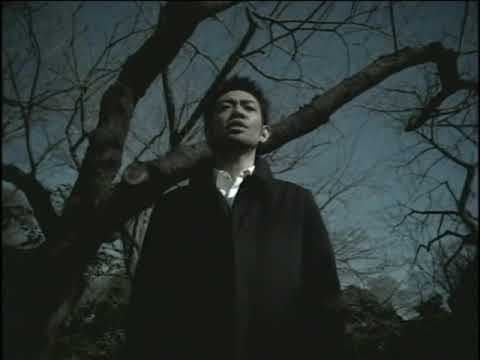
Released in 2003 and a massive hit, this is a long-loved cherry blossom song that still seems to drift in from somewhere every spring.
Speaking of cherry blossoms, they’re the flowers featured on the uniforms and patches of Japan’s national teams in various sports.
Sakura and “wa” (Japanese harmony/tradition) are inseparable.
This song, said to have been created with the relationship between Doraemon and Nobita in mind, evokes an ineffable sense of “the eternal bonds between people” at key points in its lyrics.
With this song, Kyogo Kawaguchi won the 36th Japan Cable Radio Awards.
Words are triangular, hearts are square.kururi

The song “Kotoba wa Sankaku, Kokoro wa Shikaku” features the gentle rock sound of Quruli, a rock band from Kyoto.
Released on July 25, 2007 as their 19th single, it was also chosen as the theme song for the film “Tennen Kokekkō,” starring the then up-and-coming Kaho and Masaki Okada.
The track blends a sense of traditional Japanese style with a modern touch.
The lyrics—delivered in Kishida’s tender Japanese vocals—brilliantly convey those frustrating feelings that words alone can’t express.
