

[Western Music] Classic jazz guitar albums: recommended records you should listen to at least once

If you’re not particularly familiar with the jazz genre, you probably picture instruments like piano, saxophone, or brass such as the trumpet.
In the history of jazz, the guitar’s role was primarily as a rhythm instrument rather than a leading voice.
That image gradually changed with the emergence of prewar greats like Django Reinhardt and Charlie Christian, and from the 1950s onward, geniuses like Wes Montgomery reshaped the scene.
This time, we’re highlighting classic masterpieces in the history of Western jazz guitar—timeless albums that remain outstanding across eras.
- [Start Here] Jazz Masterpieces: A Must-Listen Album Selection
- [2026] A roundup of classic Western songs with awesome guitar solos
- The Royal Road of Jazz: Classic modern jazz masterpieces. Popular tracks you should listen to at least once.
- A roundup of classic Western jazz-funk albums—from staples to the latest releases
- [For Beginners] Classic Modern Jazz Albums: Recommended Records to Start With
- [Chosen by a jazz guitarist] 10 guitarists recommended by Katsuhide Wakui
- The depth of guitar sound. A collection of songs with cool guitar.
- [Western Music] Classic Jazz Fusion Masterpieces: Recommended Albums You Should Listen to at Least Once [2026]
- [Western Music] A Collection of the Coolest, Most Rocking Guitar Riffs [2026]
- Guitarists who use the Les Paul: the dignified aura of a classic guitar
- Recommendation of Wa-Jazz: A Masterpiece of Japanese Jazz—One Must-Listen Album
- [All Genres] Introducing Masterpieces of Guitar Instrumentals!
- Today's Jazz: Tunes for today! A selection of timeless classics and contemporary jazz
[Western Music] Essential Jazz Guitar Masterpieces: Must-Listen Albums (1–10)
Isn’t It RomanticTal Farlow
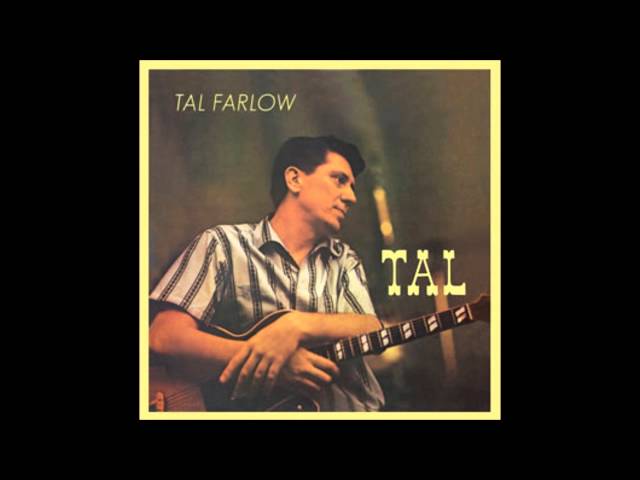
Tal Farlow, known for his wonderful drive.
This is the album he released in 1956.
It bears his name, and its content is quintessentially him.
The song in the video is a well-known jazz standard at a medium tempo, and you can enjoy his uniquely expressive phrasing at a slower tempo as well as his signature fast picking when it shifts to double time.
The ensemble is drums-less—piano, bass, and guitar—but Tal’s guitar comping creates an effect reminiscent of a drummer’s brushes.

When Will The Blues Leave?Gilad Hekselman
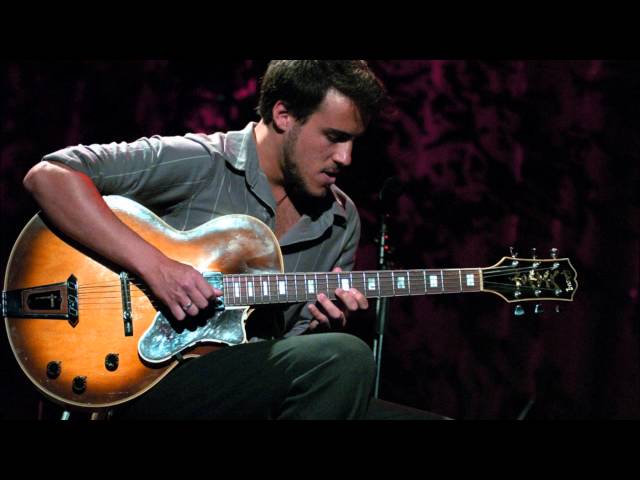
When it comes to leading figures among contemporary jazz guitarists, the name Gilad Hekselman is sure to come up.
He is from Israel and moved to New York on a scholarship while he was a university student.
This is his debut leader album, released in 2006.
You can fully enjoy a contemporary sound with a superb lineup featuring Joe Martin on bass and Ari Hoenig on drums.
The track selection ranges widely from originals to standard songs.
Flying HomeCharlie Christian

Charlie Christian is often called the founding father of modern jazz guitar.
Before him, the guitar in jazz was primarily used to lay down rhythm and chords.
This album collects his performances with the Benny Goodman Orchestra from 1939 to 1941.
After this period, his style evolved toward bebop.
It’s even more enjoyable to compare it with The Charlie Christian at Minton’s, released in 1941.
[Western Music] Classic jazz guitar albums: Recommended records you should hear at least once (11–20)
C’est si bonBiréli Lagrène
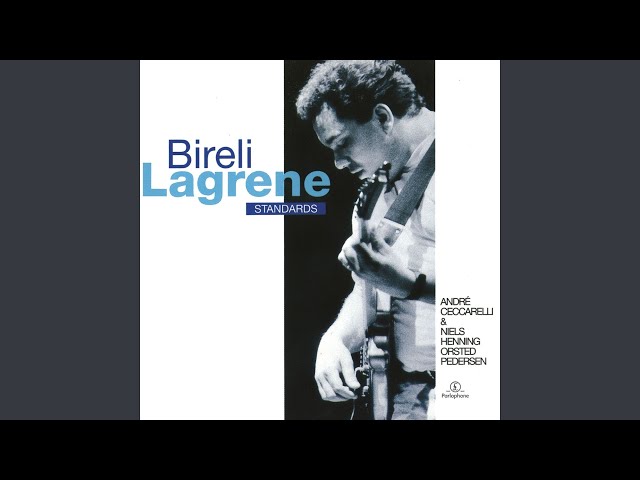
One of France’s most renowned guitarists is Biréli Lagrène.
He began learning to improvise on the guitar at age five and released his first album when he was fourteen.
He draws on the techniques of Django Reinhardt, the legendary guitarist who made his mark on music history, and is even said to be his successor.
Among his albums, the one I especially recommend is “Standards,” which also includes arrangements of Django’s pieces.

ExtrapolationJohn McLaughlin

Here is an album released in 1969 by the British guitarist John McLaughlin.
Regarded as a classic of jazz-rock, this album must have felt quite innovative for its time.
McLaughlin was well-versed not only in jazz but also in classical music, Indian music, and more.
His music blends elements of free jazz, rock, funk, and other styles, making it likely to appeal to listeners across many genres.
Idle MomentsGrant Green
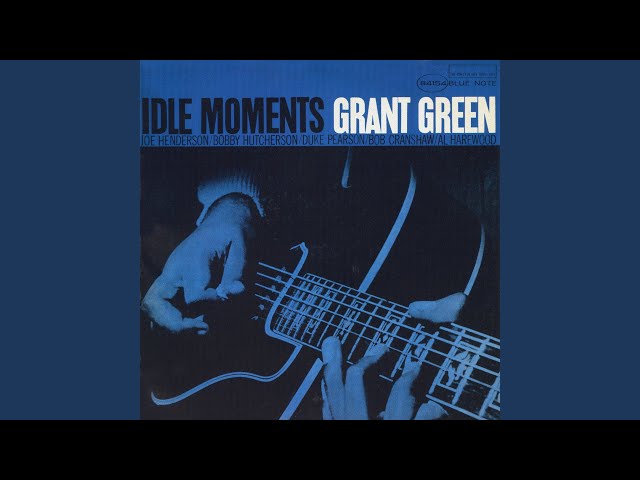
When it comes to guitarists whose popularity was revived through the jazz-funk and rare groove trends that took off in the 1980s, Grant Green surely comes to mind.
This is one of his signature albums.
While the lineup is typical for a guitarist’s record, the members aren’t purely on the funky side: with Joe Henderson on tenor sax, Bobby Hutcherson on vibraphone, and Duke Pearson on piano, the album takes on a somewhat shadowy, contemplative sound.
Metal FatigueAllan Holdsworth
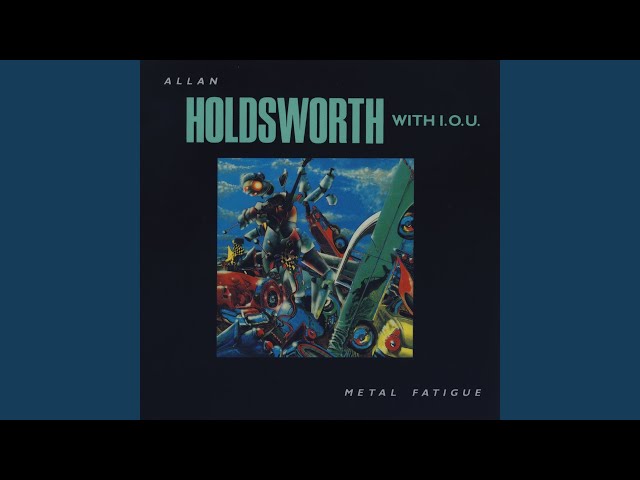
Allan Holdsworth was a guitarist who adopted a particularly distinctive playing style.
He originally aspired to be a saxophonist.
However, since he couldn’t afford a saxophone as a child, he bought a guitar instead.
Still unable to let go of his initial dream, he began approaching the guitar with the mindset of playing it like a saxophone.
As a result, he developed a truly one-of-a-kind playing style.
Among the albums he released, 1985’s “Metal Fatigue” is especially acclaimed—some even call it one of the best albums of the ’80s.
Be sure to listen to the melodies born from his singular style.