

Start here first! Classic jazz-rock masterpieces. Recommended popular tracks.

“Jazz rock” is, literally, a crossover music genre that fuses jazz and rock, and abroad it’s also referred to as a subgenre of jazz fusion.
There are works by innovative musicians from the jazz side that take a rock-oriented approach, as well as sounds by rock and progressive bands and artists that incorporate jazzy elements, so it’s not a genre with strictly defined boundaries.
In this article, we’ve carefully selected and highlighted a number of classic tracks by renowned bands and artists associated with jazz rock.
Of course the songs themselves are fantastic, but be sure to remember the names of the musicians involved as well!
- A classic jazz-funk masterpiece. A popular recommended track that offers a different flavor from traditional jazz.
- [Western Music] Classic Jazz Fusion Masterpieces: Recommended Albums You Should Listen to at Least Once [2026]
- The Royal Road of Jazz: Classic modern jazz masterpieces. Popular tracks you should listen to at least once.
- Great for karaoke too! Jazz classics you’ll want to sing at least once
- Classic fusion music masterpieces. Recommended staple tracks.
- Hall of Jazz: Classic Blue Note Records. Recommended jazz albums.
- Contemporary Jazz Masterpieces | A Selection of Classics, Old and New!
- [Masterpiece Selection] A Compilation of Classic Western Rock Songs
- Classic swing jazz tunes. Recommended popular songs.
- Acid jazz masterpieces. Recommended popular tracks.
- [2026] Discover Today's Jazz! A Roundup of the Latest Spotlight and Popular Tracks
- A compilation of cool Japanese rock band songs. Recommended tracks for cover bands.
- Jazz commercial songs. Popular commercial songs.
Start Here First! Jazz-Rock Masterpieces: Recommended Popular Tracks (21–30)
I Am and So Are YouAffinity

Affinity was a British band formed in 1968 that disbanded in 1972 due to differing artistic directions among its members.
“I Am and So Are You” is a track from their debut album, Affinity, released in 1970.
Meeting of the SpiritsMahavishnu Orchestra
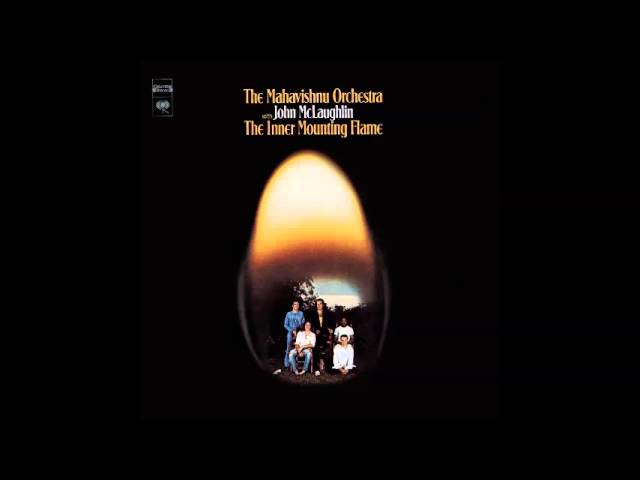
The Mahavishnu Orchestra is an American band formed around John McLaughlin.
“Meeting of the Spirits” is a track from their debut album, The Inner Mounting Flame, released in 1971.
Valzer per domaniArti & Mestieri

Arti & Mestieri is an Italian band that debuted in 1974, and the band’s name means “artists and craftsmen.” “Valzer per domani” is a track included on their second album, “Giro di valzer per domani,” released in 1975.
Darker Brightergirugamesh

Gilgamesh is a British band formed in 1972, centered around Alan Gowen.
“Darker Brighter” is a track included on the 1978 album “Another Fine Tune You’ve Got Me Into.”
Punk SandwichDixie Dregs

Dixie Dregs is an American band formed by classmates at the University of Miami’s School of Music.
“Punk Sandwich” is included on the Grammy-nominated album Night of the Living Dregs.
Oye Como VaSantana
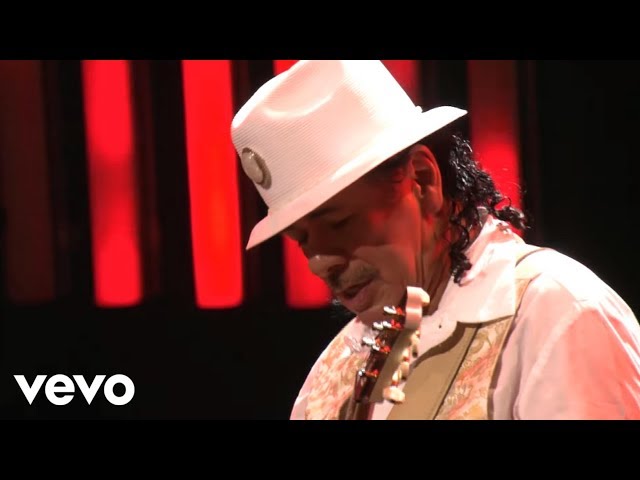
Santana is an American band formed around Carlos Santana.
“Oye Como Va” (Japanese title: “Boku no Rhythm o Kiitokure”) is included on the 1970 album Abraxas, which reached No.
1 on the Billboard charts.
The dream I saw that dayamefurashi karutetto

Amefurashi Quartet is a Japanese jazz-rock band formed in 2004.
Although the name includes “Quartet,” the group currently has five members.
“Ano Hi Mita Yume” is included on their 2016 album “Haisui no Shin.”