

Famous Western jazz classics. Recommended popular songs.


Jazz has a longer history than rock or pop and encompasses many subgenres, so it’s no surprise that many people feel it’s a bit intimidating to get into.
Some may have a mental block because of the image they have of jazz, but in fact, there are countless famous jazz tunes you’ve probably heard somewhere—whether as timeless standards loved across generations, or as songs used in commercials and film scores.
In this article, we’ve gathered recommended classics and popular tracks that even jazz beginners can enjoy.
Focusing on vintage jazz numbers while mixing in standout tracks from contemporary jazz artists who’ve been attracting attention in recent years, we present a richly varied selection.
- [Western Jazz] A Special Feature on Standard Numbers You’ve Heard at Least Once
- The Royal Road of Jazz: Classic modern jazz masterpieces. Popular tracks you should listen to at least once.
- Ranking of Popular Jazz Songs
- Start here first! Classic jazz-rock masterpieces. Recommended popular tracks.
- [2026] Jazz numbers perfect for Christmas. From classic standards to original pieces.
- Danceable Jazz! Classic and Recommended Albums of Acid Jazz
- Classic swing jazz tunes. Recommended popular songs.
- [2026] Recommended Jazz Tracks to Enjoy in Summer: From the Latest Hits to Timeless Classics
- Jazz commercial songs. Popular commercial songs.
- Great for karaoke too! Jazz classics you’ll want to sing at least once
- The Profound Allure of the Saxophone: Iconic Songs Featuring Saxophone [2026]
- Contemporary Jazz Masterpieces | A Selection of Classics, Old and New!
- [For Beginners] Classic Modern Jazz Albums: Recommended Records to Start With
Classic jazz songs in Western music. Recommended popular tracks (41–50)
Sakura StampYano Saori

A charming work that heralds the arrival of spring was released in March 2005.
Characterized by Saori Yano’s warm tone, this album is perfect for spring drives and picnics.
Collaborations with powerhouse musicians like Nicholas Payton and Eric Alexander also shine.
Yano’s fresh, vibrant playing seems to symbolize springtime in Japan and is sure to make your heart dance.
It’s a must-listen not only for jazz fans but also for anyone who wants to feel the changing of the seasons.
You’ll surely be captivated by Yano’s mature expressiveness, which stands in striking contrast to her youth.
Western jazz masterpieces. Recommended popular songs (51–60)
SpiritsAlbert Ayler

Albert Ayler, a musician indispensable to any discussion of 1960s free jazz, undertook numerous avant-garde experiments.
This track, too, conveys a passionate, aggressive impression.
Needless to say, the saxophone’s fluid melodic lines, as if rampaging wildly, are superb.
Be sure to also focus on the rhythm section—the drums and bass—that keep driving a hot beat throughout!

I’m In The Mood For LoveJames Moody

It’s the theme song from the 1935 musical film “Every Night at Eight,” with lyrics by Dorothy Fields and music by Jimmy McHugh.
James Moody was a saxophonist and a giant of jazz.
His performance of this tune became famous, and it also drew attention when Eddie Jefferson put lyrics to Moody’s improvised phrases.
Blue MoonMel Tormé
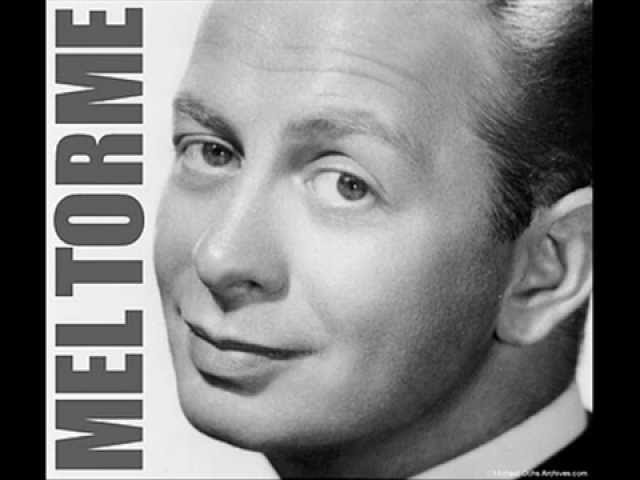
It’s a song with lyrics by Lorenz Hart and music by Richard Rodgers, written in 1934.
It’s a standard, and the version by The Marcels became famous.
Many people may know it from the movie Babe, where it was used.
Mel Tormé is an American jazz singer.
GhostsAlbert Ayler

Albert Ayler is known as a leading figure in avant-garde jazz.
While freaky, uninhibited playing is characteristic of avant-garde jazz, Ayler’s music incorporates elements of soul and folk-like traditions.
This tune of his has such an easy-to-remember melody that I find myself humming it without even thinking.
My Funny VaentineChet Baker

It’s a song from the 1937 musical “Babes in Arms.” The lyrics are by Lorenz Hart and the music by Richard Rodgers.
It’s also famous as a song sung by trumpeter Chet Baker.
It became well-known both as a vocal track and as an instrumental track.
Little Brown JogGLENN MILLER ORCHESTRA

Composed by Joseph Winner from Philadelphia, United States, it was published in 1869 under his middle name, Eastburn.
It’s well known as an instrumental jazz number.
The title “Little Brown Jug” refers to a bottle of liquor.