

[Showa/1980s] Old Johnny’s songs pierce the heart. Idol songs full of masterpieces.


In the Showa era, Johnny’s songs brightened TV music programs and brought energy and excitement to living rooms across Japan.
Male idols of the time were incredibly popular, and the Johnny’s tracks born mainly in the ’80s are packed with a timeless charm that still resonates today.
Whether you were captivated in real time back then, or have only recently become interested in Showa-era Johnny’s, take a look back at these classic hits that you’ll find yourself humming along to!
- Iconic and hit songs by Johnny’s from the 1990s
- Classic and hit songs by nostalgic Japanese pop idols of the 80s
- [Johnny's Classic Hits] Carefully Selected Popular Songs That Are Sure to Liven Up Any Karaoke Session!
- [Johnny's Medley] A selection of popular songs that continue to captivate many fans!
- Masterpieces and hit songs of 80s Japanese pop (kayōkyoku)
- Iconic Johnny’s songs from the 2000s onward. Nostalgic hits that bring back memories.
- Classic and hit Japanese pop songs from the nostalgic 80s
- Evokes the charm of the good old days. Showa-era inspirational songs that are still loved today.
- Now’s the time to listen! Uplifting Showa-era songs that brightened Japan
- Great enka masterpieces and hit songs of the 1980s
- Revival hits driven by social media! Classic Showa-era songs popular with Gen Z
- A collection of nostalgic Japanese hit songs from the 1980s that still linger in our ears
- Thrilling to Cool Showa-Era Tunes! Classic Songs from Female Singers and Artists of the Showa Period
[Showa/1980s] Old Johnny’s songs pierce the heart. A lineup of timeless idol classics (21–30)
DJ in My LifeShibugakitai

Released in April 1985 as a single by Shibugakitai, this song features poignant lyrics about music on the radio awakening memories of a summer romance, paired with period-typical synthesizer tones.
It became widely known as the commercial song for Honda’s scooter “DJ-1,” and was also used as the theme song for the group’s starring film, “Barrow Gang BC.” It peaked at No.
4 on the Oricon charts and became a hit, selling about 178,000 copies.
Though it is a dazzling idol pop number, its heart-wrenching melody likely resonates deeply with the generation that spent their youth in the ’80s.
Sword DanceHikaru GENJI
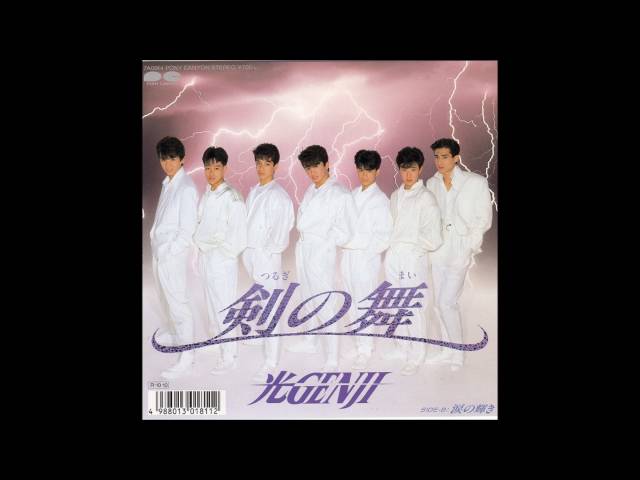
This work strikes a chord with its valiant worldview that likens romance to battle and its dramatic development that transcends the bounds of idol pop.
With lyrics by Chinfa Kan and music by Koji Makaino, it was released in October 1988 as Hikaru GENJI’s fifth single.
It was also chosen as the theme song for the Fuji TV drama “Go Wild! BORN TO BE WILD” and became a hit, topping the Oricon weekly chart.
True to its title, the stage performances featuring swords as props drew attention and left a powerful visual impact.
It’s a passionate, energetic number you’ll want to listen to when you need courage to protect someone important or to rouse your spirits.
Startled and GoodTahara Toshihiko

Toshihiko Tahara, who gained attention on “3-nen B-gumi Kinpachi-sensei” and helped lead the 1980s idol boom as part of the “Tanokin Trio.” Following his debut song, this track also reached No.
1 on the Oricon charts, and its charm lies in a brisk, pop sound infused with a jazz flavor.
Released in September 1980 as his second single, it was also well known as the CM song for Glico’s Almond Chocolate, in which he co-starred with Seiko Matsuda.
This song, which earned him the Best New Artist award at the 22nd Japan Record Awards, features a dazzling brass arrangement that is sure to lift your spirits just by listening.
Sing it at karaoke with friends who shared those youthful days, and if you mimic the choreography as you go, the whole place is bound to be filled with a happy vibe!
CROSS TO YOUotoko

This is their fourth single overall, released in August 1989.
It’s a fast-paced rock number that makes full use of the style where every member of Otokogumi takes lead vocals.
The lyrics depict breaking free from the status quo and looking toward tomorrow with hope, carrying a powerful energy that really pushes listeners forward.
It was also used as a CM song for a watch brand, and its urbane sound coming from TV left a strong impression.
The album “San” includes an alternate version with different lyrics and arrangement, giving fans the fun of comparing the two.
Perfect for a night drive or whenever you’re ready to take on a challenge—it’s guaranteed to get your spirits up!
Parting Highwayotoko

A rock number that surges with the exhilaration of tearing down a national highway at dawn, while the unique aches of youth press against your chest.
Featured on their landmark debut album “Otokogumi,” released in September 1988, this track has long been cherished by fans as a crucial opening song on a classic record packed with the raw energy and youthful drive of a freshly debuted band.
The lyricist’s highly narrative writing sets the sorrow of parting to a propulsive sense of speed, and the song was later selected for the ballad compilation “BEST OF BALLADS.” It’s perfect not only as driving BGM, but also for anyone who wants to soak in bittersweet memories and draw strength for tomorrow.
Sorry to keep you waiting.Nomura Yoshio

A solo track by Yoshio Nomura, who enjoyed immense popularity as a member of the Tanokin Trio.
The style—setting bittersweet words of apology to sprightly rock ’n’ roll—can truly be called a fusion of idol pop and band sound of the era.
Sprinkled with Beatles-esque touches that foreshadow the formation of THE GOOD-BYE, it lifts the listener’s spirits.
Opening the June 1983 album “Matasete Sorry,” the song also served as the theme for the film “Third-Class High Schooler,” in which Nomura starred.
It’s a recommended pick when you want to relive the flutter of youth or are searching for a hidden gem of Showa-era pop.
Blue Sky Only YouHikaru Ippei

A landmark debut single marking the long-awaited start of singer activities by Ippei Hikaru, who broke out playing a student on “Mr.
Kinpachi in Class 3-B” and was gaining attention as an actor.
Released in May 1981, the single features lyrics by Takashi Matsumoto and music by Kunihiko Kase—a quintessential 80s idol pop track.
Its breathless melody carries the impatience and single-mindedness of young love, while the rhythmic call-and-response in the chorus creates a live-concert feel—packed with elements that capture listeners’ hearts.
It even peaked at No.
19 on the Oricon charts, reflecting the fervor of the time.
Try humming it under a clear blue sky on a sunny day!