

Recommended for junior high school students! A selection of pop songs perfect for piano recitals

Many people probably have the impression that “piano recitals are for playing classical pieces!” It’s true that classical music makes up a large portion of performances, and there are even studios that focus exclusively on classical.
However, in recent years more children have been attending piano lessons not as a form of ‘culture’ or ‘refinement,’ but as a hobby-like activity, and it feels like the range of genres performed at recitals has broadened accordingly.
So this time, from among the many pop pieces frequently chosen as recital repertoire outside the classical realm, we’ve picked recommendations that are perfect for junior high school students!
From anime theme songs to Vocaloid tracks and the latest hits—we’ve got plenty to share.
- [Intermediate Level] Cool Piano Pieces You Can Play [Great for Recitals Too]
- [Popular Piano] Capture the Audience’s Attention! Recommended Pop Songs That Shine at Piano Recitals
- [Piano × J‑Pop] A curated selection of the coolest new hits and anime songs that’ll look great when you play them
- [Piano Recital] Perfect Pieces for Middle Schoolers! A Curated Selection of Impressive, Audience-Pleasing Works
- [Piano × J-POP] Tearjerker! A Selection of Moving/Touching Songs
- [Piano Recital] A selection of intermediate-level pieces perfect for girls!
- [Piano Recital] Recommended for Boys! A Curated Selection of Cool, Impressive, and Popular Pieces
- [Piano Recital] Carefully Selected Classical Pieces Recommended for Upper Elementary School Students
- [For Intermediate Players] Challenge Yourself! Recommended Masterpieces That Shine at Piano Recitals
- [For Elementary School Students] Brilliant, Showy Masterpieces That Sound Impressive at Piano Recitals
- [Piano Recital] Recommended for Middle Schoolers! A Comprehensive Introduction to Classical Masterpieces
- Recommended for piano recitals! A collection of bright, upbeat pieces
- [Piano Duets] Guaranteed to get the crowd excited! A roundup of recommended pieces
Recommended for middle schoolers! A selection of pop songs you’ll want to play at your piano recital (21–30)
Blue HabitatKitanitatsuya
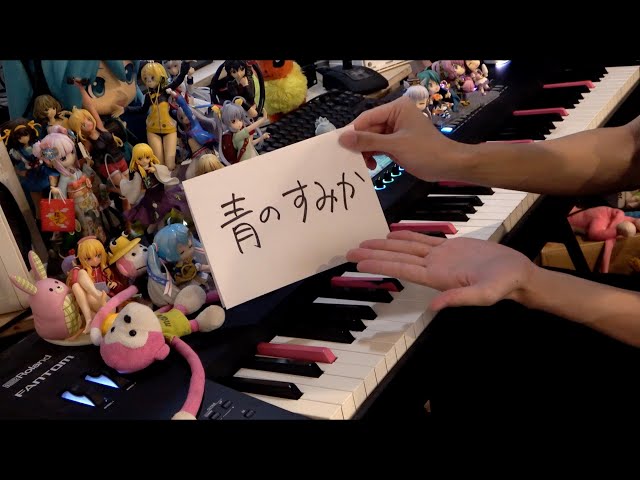
A multi-talented artist who brings innovation to Japan’s music scene, Tatsuya Kitani’s song “Aono Sumika.” Widely talked about as the opening theme for Season 2 of the popular anime Jujutsu Kaisen, this work skillfully depicts the brilliant moments of youth and the emotions that accompany them.
For junior high school students, taking on a piano arrangement of this piece is not only a chance to hone technique, but also an important opportunity to express the song’s deep emotions and delicate nuances.
To avoid merely lining up notes, hum the lyrics, expand your imagery, and approach your piano performance with that vision in mind.
Kaiju no Hanabuta (Monster’s Flower Song)Vaundy

Vaundy’s signature song “Kaijū no Hanauta,” which gained attention after being featured in a Maruha Nichiro commercial, is a powerful, message-driven work that portrays a world where nostalgia and freshness—connecting past, present, and future—coexist.
Its friendly, simple melody isn’t rhythmically complicated and stays within a narrow range, making it easy to play on the piano and perfect for recitals.
Keep a steady tempo with the left-hand accompaniment, and give the melody a wide dynamic range to perform with rich expression.
Recommended for junior high school students! A selection of pop songs to play at a piano recital (31–40)
Eight Concert Etudes, Op. 40: No. 1 “Prelude”Nikolai Kapustin

A brilliant piano piece that radiates vivid sparkle.
The whirlwind of nonstop sixteenth notes and the rhythm etched by the left hand weave a sonic world that almost feels like a jazz combo on stage.
Beginning with simple chords and unfolding into a vibrant Latin rhythm, this work blends classical virtuosity with jazz swing in exquisite balance.
I’m especially reminded of Nobuyuki Tsujii’s performance at Suntory Hall in February 2018; the dynamic colors drawn from a single piano were irresistibly captivating for the audience.
It’s a perfect piece for those seeking new musical possibilities and for performers who love both jazz and classical music.
Heralding springyama

Yama’s signature song “Haru wo Tsugeru,” which has captivated many fans with its unique worldview, is set in late-night Tokyo and delicately portrays loneliness and a sense of the end.
When performing it on piano, the key is to play with careful attention to the balance between accompaniment and melody so you can bring out the song’s delicacy to the fullest.
If you can also understand the message and emotions embedded in the piece and reflect them in your performance, it will resonate even more deeply with the audience.
Because it’s a highly expressive work, be sure to focus not only on technique but also on emotional expression.
SummerHisaishi Joe
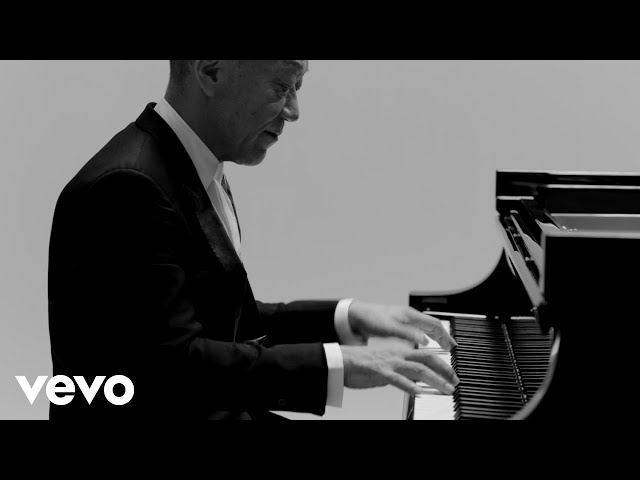
This is a piano-centered instrumental piece included on the original soundtrack of the film “Kikujiro.” Its heartwarming melody and light rhythm leave a strong impression, evoking the feel of a refreshing summer’s day.
In the film, it beautifully captures the themes of “summer adventures” and “growth” as seen through a boy’s innocent eyes, leaving a deep mark on audiences.
The piece was also used in Toyota Corolla commercials from 2000 to 2002, making it familiar to many.
Its gentle, transparent tone and faintly nostalgic melody resonate with listeners.
It’s also approachable as a piano practice piece and is sure to captivate audiences at recitals.
Those Who FightUematsu Nobuo

This is a powerful instrumental piece that brilliantly captures the exhilaration of in-game battles.
Its striking melody blends the grandeur of an orchestra with the timbres of electric guitar and synthesizer, overflowing with tension and a sense of speed.
The work adds dramatic flair to standard battle scenes and serves to inspire the player’s spirit.
Since its 1997 release, it has continued to captivate fans worldwide through a variety of arrangements performed by orchestras and rock bands.
Masterfully expressing both the player’s passion and the intensity of combat, this piece also has the power to draw in audiences at piano recitals, making it an excellent choice for performers aiming for expressive, emotionally rich playing.
idolYOASOBI

YOASOBI’s “Idol,” released on April 12, 2023 as the opening theme for the TV anime Oshi no Ko, became a major sensation.
The song’s appeal lies in its gripping sound and ikura’s captivating rap section.
When playing it on piano, aim for a dynamic performance while keeping the rhythm crisp to recreate the sense of speed.
Also, pay close attention to the shifting chord progressions, and enjoy the song’s development as you play boldly.