

[Karaoke] Sing! A Collection of Ghibli Classics


Studio Ghibli has so many great songs, and when you’re watching the films, you often find yourself thinking, “I want to sing this at karaoke!”
So this time, we’re introducing some of the best Ghibli songs that are perfect for singing!
“If my kid requests a song, but I don’t know any to sing!” “Karaoke with only anime songs…
what should I do?” This article has you covered for those moments!
It’s also perfect for anyone looking for songs everyone can sing together.
We’ll introduce them in recommended order, so check them from the top one by one.
- [Ghibli’s Famous Songs Medley] The soothing world of Studio Ghibli that resonates with the heart
- Songs of Studio Ghibli: List of Theme Songs, Insert Songs, and BGM from Ghibli Music
- Singable Ghibli Classics: A selection of beloved hits cherished by people of all ages
- [Let's Sing Karaoke!] Popular Disney Songs
- Songs from Kiki's Delivery Service. Anime theme and insert songs. Ghibli classics.
- What karaoke songs can kids sing? Popular karaoke songs for parents and children to sing together as a family.
- Recommended anime theme songs for children: timeless anime song classics you should listen to at least once.
- Popular Disney songs for kids | Fun Disney songs
- [For Beginners] Recommended Ghibli Masterpieces You’ll Want to Play on the Piano
- Top Karaoke Songs That Get 20-Somethings Hyped [2026]
- Songs from Castle in the Sky (Laputa): the theme song and insert songs.
- Children’s Songs: Karaoke Rankings [2026]
- [For People in Their 40s] Karaoke Songs That Are Easy to Sing: 2026 Ranking
[Karaoke] Let's Sing! A Collection of Ghibli Masterpieces (31–40)
Mother of the SeaHayashi Masako

The opening song of Ponyo on the Cliff by the Sea, the story of Ponyo, a fish child who wishes to become human, and a five-year-old boy named Sosuke.
The lyrics are very short, but the song evokes the grandeur of the sea and the warmth of love.
When sung by someone with strong vocals, it could bring listeners to tears.

strollInoue Azumi

Sampo is the opening theme of Studio Ghibli’s classic film My Neighbor Totoro.
The lyrics were written by Rieko Nakagawa and the music was composed by Joe Hisaishi.
The lyrics describe the various scenes and creatures you encounter while taking a walk, told in charming, childlike words.
Although many years have passed since the film’s release, it remains a favorite among children.
If you sing this song at a family karaoke, the kids will be thrilled and the adults will feel nostalgic—there might even be a big sing-along!
When the cherries ripenKatō Tokiko

It’s a song that really touches the heart.
The quintessential French chanson “Le Temps des cerises” was used as an insert song in the Studio Ghibli film Porco Rosso.
Listening to it brings to mind the scene where Madame Gina is singing.
Of course, the original is in French, but there’s a Japanese version too, so if you’re singing it at karaoke, be sure to go with that one.

Love is a flower, and you are its seed.Miyako Harumi

This song was used as the theme for the film “Only Yesterday.” It was originally “The Rose,” sung by American singer Bette Midler, and this is the Japanese cover version.
It’s performed by enka singer Harumi Miyako.
The warm, gentle melody is lovely.
I recommend singing it at karaoke when you want to relax a little.
The town I long forMAI&YUMIKO-Chan

This is a song used in Kiki’s Delivery Service.
When you listen to it, you can picture a town with red rooftops in your mind.
The warm, nursery-rhyme-like tone is lovely.
The lyrics are very simple, so try singing it together at karaoke with your child.
After karaoke, you might feel like watching the movie! It’s included on releases like the “Kiki’s Delivery Service Vocal Album,” so if you’re interested, consider picking up a copy.
[Karaoke] Let’s sing! A collection of Ghibli classics (41–50)
I stopped being alone.Yano Akiko

Are you familiar with My Neighbors the Yamadas, a feature-length film with the unusual background of being based on a four-panel newspaper comic strip series? This is its theme song.
It’s a song overflowing with gentle warmth, one you’d want to sing to someone special—your partner, family, or friends.
No Woman, No CryTina
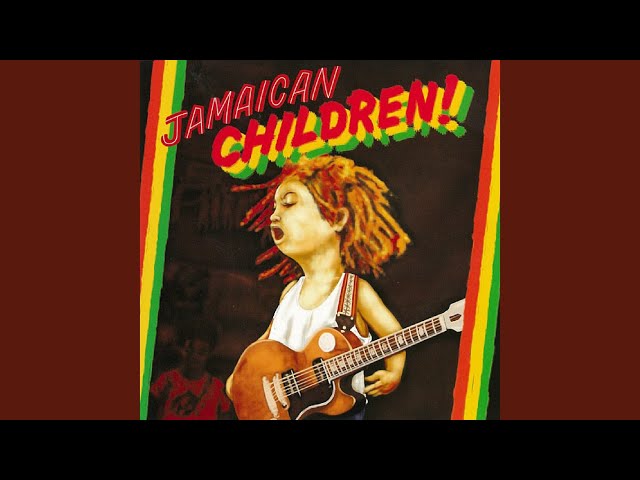
This is “No Woman, No Cry,” which was used in the short animated film Ghiblies episode 2, released in 2002.
It’s sung by Tina, an R&B singer from Tokyo.
The original is by Bob Marley & The Wailers.
As a quintessential reggae song, it has been passed down through generations.
The gentle rhythm is truly soothing.