

Sad songs I want to sing at karaoke

Here are some classic and popular sad songs recommended by our studio staff for your karaoke picks.
This is a sorrowful playlist whose heartrending melodies will capture the listener’s heart.
- Classic and popular love songs you’ll want to sing at karaoke
- Heal your heart with love ballads: A collection of pure love and heartbreak songs.
- Popular songs that are easy to sing at karaoke. Recommended classics and hit songs.
- Feel-Good Songs: Belt Them Out at Karaoke! A Roundup of Popular Numbers
- Bittersweet songs you’ll want to sing at karaoke: recommended masterpieces and popular tracks
- Classic and popular karaoke songs to sing when you’re feeling lonely
- Tear-jerking songs I want to sing at karaoke
- Breakup songs you’ll want to sing at karaoke. Heart-healing songs about parting ways.
- A ballad that will definitely make you cry at karaoke
- [Karaoke] Classic and Popular Ballad Songs You’ll Want to Sing at Karaoke
- Breakup songs that are easy to sing at karaoke. Recommended classics and popular hits.
- A masterpiece that sings of loneliness. Recommended popular songs.
- A poignant ballad song. A tear-jerking masterpiece of Japanese pop music.
Sad songs I want to sing at karaoke (1–10)
Tearful KissSazan Ōrusutāzu

A heartbreaking farewell song with a constricting, bittersweet melody and Keisuke Kuwata’s wistful vocals that pierce the heart.
You can keenly feel the protagonist’s helpless emotions as they sense an impending breakup yet can’t let go of their lingering attachment.
The lyrics, written entirely in Japanese with great care, are filled with straightforward words that resonate deeply—so much so that if you’ve just had your heart broken, you may not be able to listen without tears.
Released as a single in July 1992, it’s also famous as the theme song for the drama “I’ve Always Loved You,” which became a social phenomenon.
It became Southern All Stars’ first million-selling record and continues to be loved by many to this day.
It’s a masterpiece that offers healing—belt it out at karaoke with all your emotions, and it feels like the tears will wash away the sadness along with them.
Lingering Snowiruka

Iruka’s song “Nagori Yuki,” long cherished as a classic in Japan.
Released in 1974, it’s rooted in the then-popular folk music genre, and while it’s moving, it retains a certain folk-like poignancy.
It was originally a Kaguyahime song, but many people are probably more familiar with Iruka’s cover.
The song’s vocal range is relatively narrow, from mid1 D to mid2 G.
With the highest note at mid2 G, few should find it difficult to sing in the original key.
The A verse is somewhat spoken in style, so there are slightly fewer breakpoints, but as long as you don’t push your voice too hard, it shouldn’t be a problem.

Stop this nightJUJU

It was released in 2010 as JUJU’s 15th single.
Chosen as the theme song for the Kansai TV/Fuji TV drama “Guilty: The Woman Who Made a Pact with the Devil,” it became a hit.
It’s a poignant, sorrowful song that deeply resonates with those experiencing unrequited or unattainable love.
Sad songs I want to sing at karaoke (11–20)
The Last RainYasushi Nakanishi

Released in 1992 as Yasushi Nakanishi’s second single.
It was used as the theme song for Nippon TV’s “Hitachi Ashita P-KAN Kibun!” and has been covered by many artists.
The song poignantly portrays a man’s lingering heartbreak, with the rain amplifying the sadness.
GlassKawamura Ryuuichi

This was Ryuichi Kawamura’s second single, released in 1997.
Including his time with LUNA SEA, it became his first million-selling song.
It was used as the ending theme for “Beat Takeshi’s TV Tackle,” and its somewhat heavy, sorrowful sound combined with the overwhelming vocals makes for a deeply moving track.
Tears of MagnoliaSutaadasuto Rebyuu
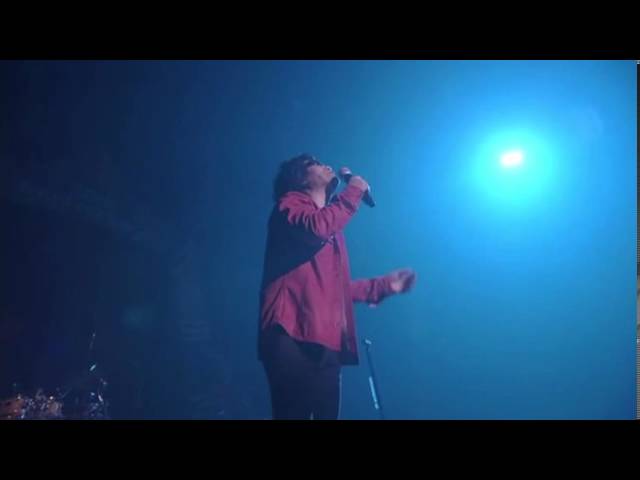
This song, included as the first track on Stardust Revue’s 1993 album “SOLA,” was released as a single the same year.
It is an eternal love ballad dedicated to someone called to heaven, and its passionately repeated phrases make it a profoundly powerful and sorrowful piece.
Tears Flowing EndlesslyNatsukawa Rimi

This is a signature song by Rimi Natsukawa, whose title in the Okinawan dialect means “tears falling in drops.” The lyricist’s personal feelings for a brother who passed away at a young age may resonate with listeners’ own memories of someone dear to them.
Woven by Natsukawa’s crystal-clear voice, the yearning for someone you can no longer meet evokes the profound sorrow of people torn apart by the tragedies of war and reminds us of the preciousness of peace.
Originally written in 1998 for Ryoko Moriyama, the song became a major hit with Natsukawa’s 2001 cover, which stayed on the Oricon charts for 157 weeks.
In 2006, a film inspired by the song was also released.