

I Want to Sing at Karaoke! A Roundup of Recommended Oldies Classics and Popular Songs


Nostalgic oldies! How about singing a host of classic tunes that resonate in your heart along with memories of those days at karaoke? The Western masterpieces born mainly in the 1950s and ’60s have never faded with time and continue to captivate countless people even today.
In this article, we’ll introduce must-sing oldies for karaoke—from rock ’n’ roll to pop and ballads—beloved across generations.
Oldies often have simple melodies and are easy to sing.
From songs everyone knows to unexpected hidden gems, we’ve got a lineup guaranteed to get the karaoke crowd going!
- A collection of nostalgic hits from the ’70s to 2000s that are perfect for livening up karaoke
- Must-see for men: Songs that look cool if you can sing them at karaoke—numbers that women can’t help but be captivated by.
- Even karaoke beginners can relax! Easy-to-sing songs for men
- When you can’t decide what to sing at karaoke: Easy-to-sing classic hits from the Showa era
- [Karaoke] A roundup of songs that are easy for women to sing!
- Popular songs that are easy to sing at karaoke. Recommended classics and hit songs.
- Easy-to-sing youth songs for karaoke: recommended classics and popular hits
- A lineup of classic hits! Karaoke songs recommended for the yutori generation
- Feel-Good Songs: Belt Them Out at Karaoke! A Roundup of Popular Numbers
- Songs Everyone Knows: A Popular Karaoke Collection You Can Sing Regardless of Age
- Songs Women Want Men to Sing: Popular Karaoke Picks Chosen by Girls
- Gentle songs you want to sing at karaoke. Recommended classics and popular hits.
- Packed with masterpieces! Karaoke songs recommended for women of the Yutori generation
I want to sing at karaoke! A roundup of recommended oldies classics and popular songs (31–40)
Rhythm Of The RainThe Cascades

Here is a song by The Cascades released in 1962.
It’s about a man who, after breaking up with his lover, thinks of her while getting soaked in the rain, yet the overall mood of the song is surprisingly bright and gentle.
In the arrangement, the opening features rain sound effects, and the celesta resonates throughout like the sound of rain, enhancing the atmosphere.
It’s a classic that has been covered in many different languages.

La BambaThe Real Ritchie Valens
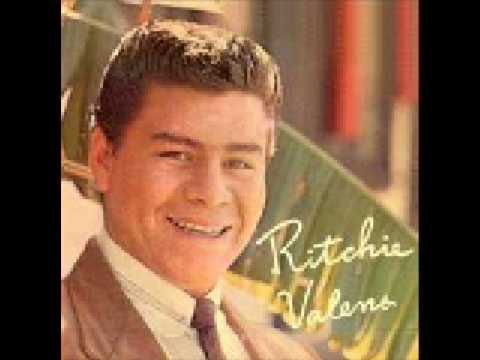
This song was originally sung in Mexico for over 300 years, but in 1958, Mexican-American singer Ritchie Valens arranged it in a rock ’n’ roll style, performed it, and made it a hit.
In 1987, as the theme song for Valens’s biographical film “La Bamba,” Los Lobos covered it, bringing it back into the spotlight.
Who’s Sorry Now?Connie Francis
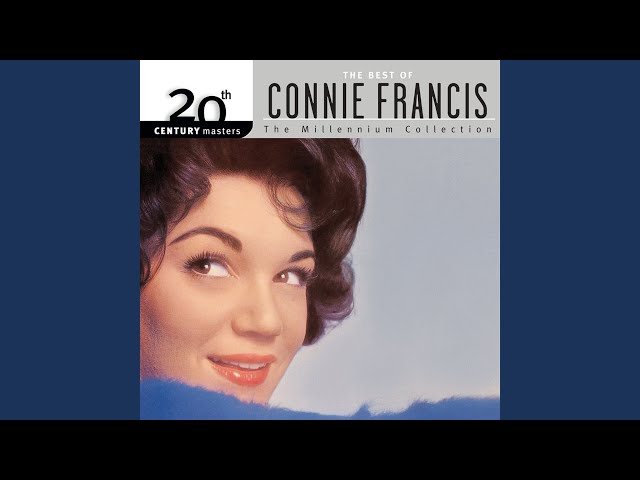
On a solitary night, you’ll feel like listening with a glass in hand.
This song is by Connie Francis, a U.S.-born singer who also had a successful career as an actress.
Released in 1958, it became a huge hit.
It’s a poignant heartbreak song that portrays the sorrow of parting with a lover.

Be My BabyThe Ronettes

This song is so major that you could call it one of those oldies everyone’s heard at least once, but it was actually the debut single by the female trio The Ronettes, released in 1963.
Its striking intro and rich, layered choral sound are said to have influenced the Beatles, the Rolling Stones, and the Beach Boys, among others.
Mr. LonelyBobby Vinton
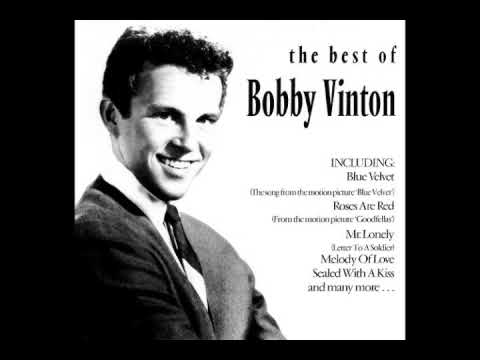
This song is one of Bobby Vinton’s signature hits, which reached No.
1 on the U.S.
charts in 1964.
It’s also known for being covered by The Lettermen in 1970.
Oldies ballads like this really bring back the era, don’t they? With its prominent falsetto, it’s a high-difficulty piece suited for advanced singers.
I want to sing at karaoke! A roundup of recommended oldies classics and popular songs (41–50)
Love Me TenderElvis Presley
This song was released by Elvis Presley in 1956.
When he sang it on a TV show before the single came out, orders reportedly flooded in.
The original tune was the American popular song Aura Lee, published in 1861, and it had completely different lyrics.
It’s a short song with an easy-to-remember melody, so it’s also great for karaoke.
One Way TicketNeil Sedaka
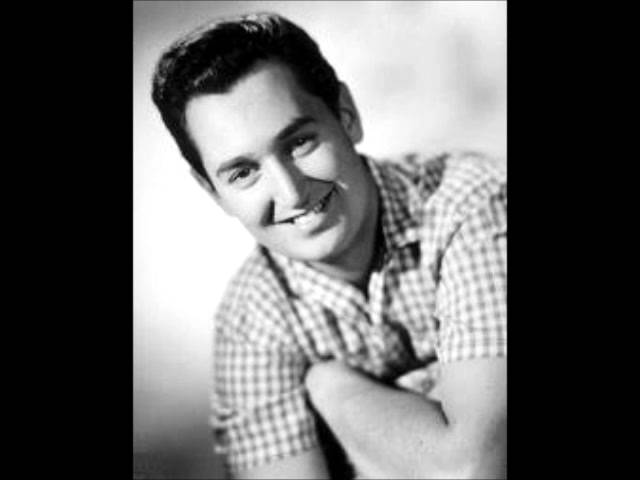
Starting with an impressive intro that feels like the tempo is accelerating, this song is an oldies classic that can be considered one of Neil Sedaka’s signature tunes in Japan, and it’s frequently performed in the Japanese oldies scene.
It was released in 1959, but it apparently didn’t become a hit in the United States because it was issued as the B-side to “Oh! Carol.”