


Singer-songwriters who write lyrics and compose their own music are especially rare and valuable artists among musicians of all kinds.
I imagine there are people who follow music focusing only on songs by singer-songwriters.
So, this time, we’ll introduce popular male singer-songwriters in Japanese music.
- Japanese Pop: A Roundup of Popular Male Singer-Songwriters
- Best Songs and Popular Tracks by Male Singer-Songwriters: 2026 Rankings
- Ranking of Male J-Pop Singers’ Best-Lyric and Most Popular Songs [2026]
- Nothing but masterpieces! Love songs by male artists recommended for Gen Z
- Songs by male artists known for their captivating deep voices. Classic Japanese hits and recommended popular tracks.
- Recommended love songs sung by male artists for the yutori generation
- Male Singer-Songwriters of the 2000s: Popular Song Ranking [2026]
- Great covers of classic and popular songs sung by male artists
- I want to sing at karaoke! Songs by male artists recommended for Gen Z
- Popular Japanese Music / J-POP Artist Rankings [2026]
- Male Singer-Songwriter CM Songs, Commercials, and Popular Tracks Ranking [2026]
- 1990s Male Singer-Songwriters: Popular Song Rankings [2026]
- Male Singer-Songwriters’ Anime Songs: Popular Tracks Ranking [2026]
Popular male singer-songwriters in Japanese music (1–10)
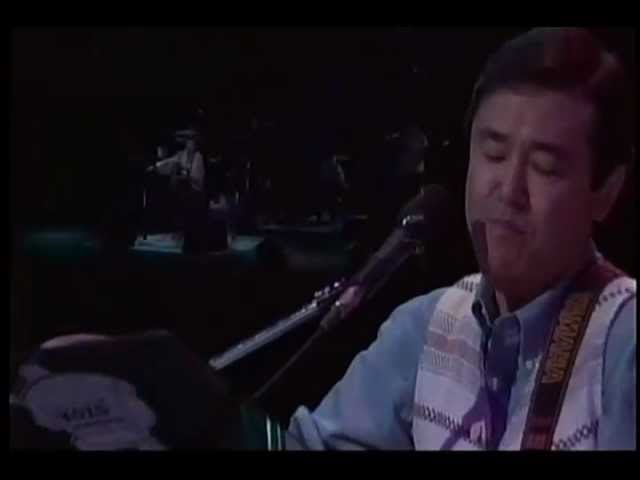
spring rainMurashita Kōzō
Kozo Murashita is a folk singer whose quiet voice moves the heart.
His song “Hatsukoi” (First Love) is very famous.
It’s said that because his family ran a movie theater and he was exposed to film scores and popular songs from an early age, his melodic sense and emotional expression were honed.
Of course, his singing is wonderful, but above all I’m drawn to the beauty of the Japanese in his lyrics.
Without flashy staging, he was the type to captivate an audience with just a guitar—an authentic singer-songwriter who can rely solely on his voice and melodies.
If you like folk music, be sure to explore his work.

Goodbye ElegyIshizaki Hyuui

Singer-songwriter Huwie Ishizaki.
He’s well known for writing songs for Masaki Suda.
He’s not the type who relies on explosive vocal power, yet he captivates with vocal nuance, breath control, and the way he places words.
That’s why he has an unusually strong persuasiveness in ballads and mid-tempo numbers.
Have you watched Huwie Ishizaki on THE FIRST TAKE? I got goosebumps.
What amazed me was the trembling delicacy, the rasp that borders on a shout—it felt so soulful and hit me right in the heart.
He sings while playing guitar, yet neither his voice nor his guitar wavers at all.
I think he’s the kind of artist who changes the air the moment he steps on stage!
From hunting to rice cultivationrekishi
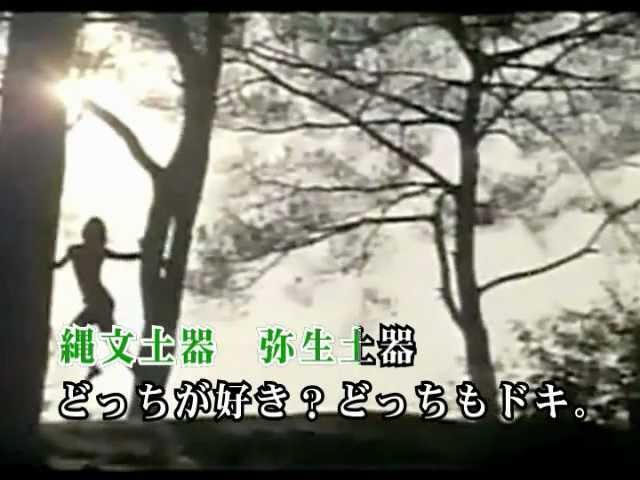
Even though there’s no point in putting that much echo on Jomon and Yayoi pottery, I can’t help but laugh and listen.
I’m on Team Yayoi pottery.
If I’d heard this back in elementary school, I feel like I really could have grown to love history.
Like tonight’s moonElefanto Kashimashi
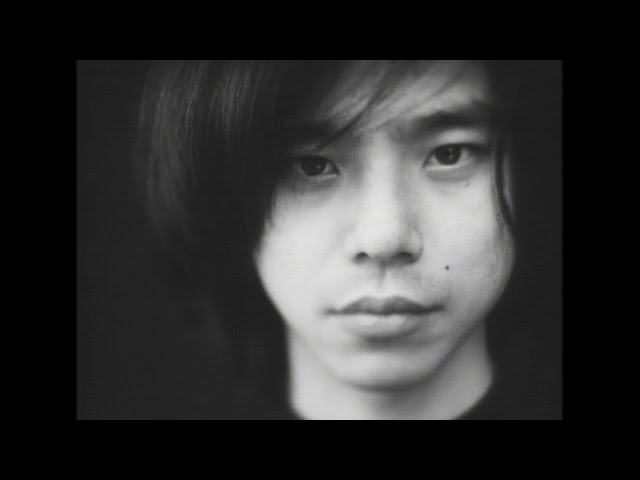
It was released in 1997 as the 15th single by Elephant Kashimashi (Hiroji Miyamoto).
The song was used as the theme for the Fuji TV drama “Because the Moon Shines at Night.” At the request of the drama’s producer, Hiroji Miyamoto wrote and composed the song to align with the drama’s content.
It became the band’s first single to enter the Oricon Top 10 and their biggest hit to date.
countrysideTamaki Kōji

It was released in 1996 as Koji Tamaki’s 11th single.
The song was used as the theme for the Fuji TV Thursday Theater drama “Coach,” in which Tamaki himself appeared.
It became his first solo work to reach the top three on the Oricon charts and was a massive hit, selling 920,000 copies—the biggest hit of his solo career.
Sorrow like snowHamada Shogo

It’s a song included on Shogo Hamada’s 1981 album “Ai no Sedai no Mae ni” (Before the Generation of Love), which was released as a single in 1981.
Although it wasn’t a major hit at the time, it was later chosen as the theme song for the 1992 TV drama “Ai to Iu Na no Moto ni” (In the Name of Love).
A heavily rearranged remake was released, and it debuted at number one for two consecutive weeks on the charts, becoming Hamada’s biggest hit.
My true feelingsTakahashi Yuu

Yu Takahashi is a singer-songwriter from Yokote City who made his major debut in 2010.
“Honto no Kimochi” is his second single, released in November 2010, and it was used as the ending theme for the TV drama Q10.