
A Man’s Way of Life: Songs of Men. Masterpieces packed with manly valor and aesthetics.


We’ve gathered a collection of classic songs packed with the aesthetics of manhood.
Across every genre—rock, pop, enka—you’ll find the way men live sung about in many forms.
Men may usually keep things inside, yet hold firm convictions; their willingness to take on challenges, or conversely, the strength to face their own vulnerabilities, also feels distinctly masculine.
A broad-minded generosity and single-minded devotion can be especially attractive from a woman’s perspective, too.
In this article, we introduce many timeless tracks that touch on the path of a man’s life and on love.
Every song is valiant and stirring.
Music by men that even men admire—let’s listen closely and take it all in!
- Men’s enka: a collection of classic songs portraying the way men live and their fighting spirit
- [Tears Guaranteed] Heartwarming songs I especially want men to hear
- Must-see for men: Songs that look cool if you can sing them at karaoke—numbers that women can’t help but be captivated by.
- Energetic songs recommended for men
- Coming-of-age songs for your 50s: heart-thumping × heartwarming classics and popular tracks [2026]
- Songs men like. Classic and popular Japanese songs.
- A collection of iconic, cool Showa-era kayōkyoku classics sung by male vocalists
- [For Men] This song is perfect for hyping up the crowd at karaoke!
- Perfect for karaoke or background music! Energetic songs recommended for men of the Yutori generation
- An anthem for your 30s. Beloved and popular songs that are both heart-pumping and heart-fluttering.
- Iconic songs men will want to sing! Karaoke tracks recommended for Gen Z
- Great songs recommended for men. Masterpieces and popular Japanese songs that resonate with the heart.
- [For Beginners] Recommended Enka Masterpieces for Karaoke — Male Singers Edition
A Man’s Way of Life: Songs for Men. Masterpieces Filled with Masculine Valor and Aesthetic (41–50)
draft (cold air seeping through gaps)Sugi Ryōtarō

A fine song that quietly observes the way a man lives.
Released in October 1976, it became a massive hit, selling over a million copies.
The nuanced subtleties of life are woven into the deep, rugged vocals of Ryotaro Sugi, who is also active as an actor.
It was used as the ending theme for Toyama no Kin-san and resonated with many people.
The song carefully depicts the process of overcoming setbacks and hardships to find happiness, giving courage to those who listen.
When you stand at a crossroads in life or experience a farewell with someone important, listening to it will surely warm your heart.
Please give it a listen.
[A Man’s Way of Life] Songs of Men: Masterpieces filled with manly bravery and aesthetics (51–60)
loadTHE toraburyū
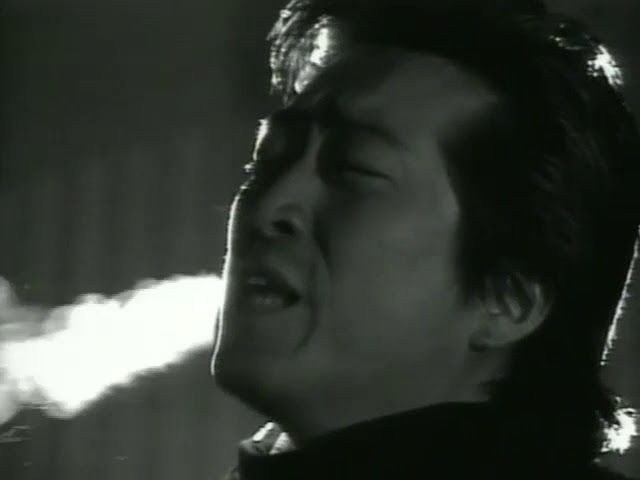
The signature work of THE Toraba-ryu is a masterpiece that portrays the path of life unfolding serenely on an epic scale.
Powerfully voicing the resolve to face adversity and loneliness, this song depicts a stance of overcoming setbacks and moving forward, leaving a deep imprint on many listeners’ hearts.
Its lyrics, which symbolically express life’s journey, resonate with listeners and offer courage and hope.
First released in May 1992 and re-released in 1993, it achieved an astonishing 2.2 million sales.
It was also used as the theme song for a film of the same name released in 1997 and won an Excellence Award at the Japan Cable Radio Awards.
It’s a perfect pick not only for livening up gatherings with friends but also for karaoke with older audiences.
Be sure to showcase this powerful classic that invites everyone to sing along and share in the moment.
Do whatever the hell you want.sawada kenji

A fiery rock number that grabs you from the opening guitar riff! Known as one of Kenji Sawada’s signature songs, this track powerfully sings of a man’s way of life and his romantic feelings.
Released in May 1977, it became a massive hit, topping the Oricon weekly charts for five consecutive weeks.
While portraying the complex emotions of a heartbroken man, it expresses a free-spirited attitude along with resignation and loneliness toward a former lover.
This stylish, adult-tinged song with a wistful air may resonate not only with those troubled by love, but also when you’re feeling lost in life.
Carried by Kenji Sawada’s powerful vocals, why not go ahead and live freely yourself?
BAD BOYBIGBANG

This is a song that’s beloved by both fans and the members themselves—so much so that the members say they love it too.
Personally, it’s my clear number one, a hall-of-fame favorite.
The music video was shot in midwinter New York, and you can tell how cold it was by the occasional puffs of white breath you see.
King of Men!Kanjani∞

It’s the theme song of the movie “Mogura no Uta” (The Mole Song).
I also watched the movie, so it brings back a lot of memories.
The song matched the movie’s scenes and was really entertaining.
I was moved by how serious and manly the song is.
I was shocked that they sang such a manly song.
Song of the Old Man of Nishi-ShinjukuNagabuchi Tsuyoshi
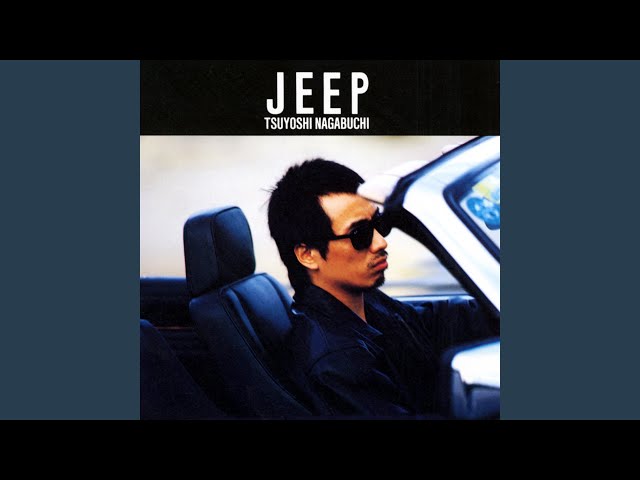
This is a deeply human song that portrays the life of a bar owner in Nishi-Shinjuku—awkward in some ways, yet unwavering in his principles.
The father’s oft-repeated catchphrase may inspire some listeners to live fully in the present so they won’t look back with regret.
Released on the August 1990 album “JEEP,” the track was also used as an insert song in the drama “From the North Country ’92: Departure.” For those standing at a crossroads in life or hesitating before a new challenge, it carries a warm yet powerful message that gently, firmly nudges you forward.
CheersNagabuchi Tsuyoshi

This is a renowned song that has continued to resonate with many as an anthem celebrating life’s new beginnings.
Originally released in September 1980 on the album “Kampai,” it vividly depicts a celebratory scene lit by candlelight and carries a warm message of encouragement for a friend taking their first step forward.
Tsuyoshi Nagabuchi’s powerful vocals deliver hope and courage for the future.
In 1988, it was re-recorded and released as a single, becoming a major hit that reached No.
1 on the Oricon charts.
In the early 1990s, it was also featured in commercials for Kirin Lager Beer, further boosting its recognition.
To this day, it remains a timeless song passed down through the years, often chosen to convey heartfelt feelings to loved ones at important milestones in life, such as weddings and graduation ceremonies.