

It cleanses the soul… Great J-pop songs recommended for the yutori generation

When you hear the phrase “a good song,” what comes to mind?
Since Japanese people tend to place a lot of importance on lyrics, many of you might imagine songs with great words.
Of course, if the composition itself isn’t quite there, the message of the lyrics won’t really land, so the melody and overall tone are also crucial factors.
This time, we’ve put together a list of great J-POP tracks aimed at the so-called Yutori generation.
They’re mostly songs from the years when the Yutori generation likely spent their youth, so I hope you enjoy them.
- Relive those feelings from back in the day! Youth anthems recommended for the Yutori generation
- Songs that lift your spirits and keep you going tomorrow: energizing recommendations for the Yutori generation
- Packed with masterpieces! Karaoke songs recommended for women of the Yutori generation
- Now karaoke isn’t scary! Easy-to-sing songs recommended for the Yutori generation
- Recommended for the Yutori generation! Tear-jerking masterpieces from the J-pop scene
- Great songs recommended for people in their 80s: a collection of tracks with lyrics that touch the heart
- A number I’d recommend to the yutori generation—one I’d like women to sing
- Good songs recommended for people in their 50s: classic and popular J-pop tracks.
- Gen Z listeners, take note! Great songs that color the J-pop scene
- A lineup of classic hits! Karaoke songs recommended for the yutori generation
- Memories come flooding back! Graduation songs recommended for the Yutori generation
- Bittersweet feelings come rushing back! Recommended love songs for the Yutori generation
- Spring songs to color the season of meetings and partings—recommended for the Yutori generation
Soothing for the soul... Great J-POP songs recommended for the Yutori Generation (11–20)
365 Days’ Paper AirplaneAKB48

An AKB48 song whose nostalgic atmosphere and unadorned charm soothe the heart.
Produced as the theme song for the NHK morning drama series “Asa ga Kita,” it’s a catchy number with a simple tone reminiscent of 1970s folk songs, featuring acoustic guitar and strings.
The lyrics, which compare life to a paper airplane, emphasize the importance of the journey over the outcome, also giving it the character of a “graduation song” that celebrates new beginnings.
Released in December 2015 as a coupling track on the single “Kuchibiru ni Be My Baby,” it has continued to be used in various contexts.
It’s a song we hope those feeling uncertain about the future, or those about to take a new step forward, will listen to.
crescent moonayaka

Ayaka’s signature song, released in 2006, was used as the theme for NHK’s “Mirai Kansoku Tsunagaru TV @ Human” and as the CM song for au’s “LISMO.” It’s a poignant love ballad about feelings for a precious person far away, with piano melodies and a vocal that’s both powerful and delicate, resonating deeply in the heart.
The title refers to the shape of a cell phone, conveying the message that even if you’re physically apart, your hearts remain connected.
It’s a track that overflows with nostalgia, bringing back memories of listening to it with friends while gazing at the night sky during school days.
A classic that gently stays by your side when you’re in a long-distance relationship or thinking of someone dear who lives far away.
LaundryLUCKY TAPES
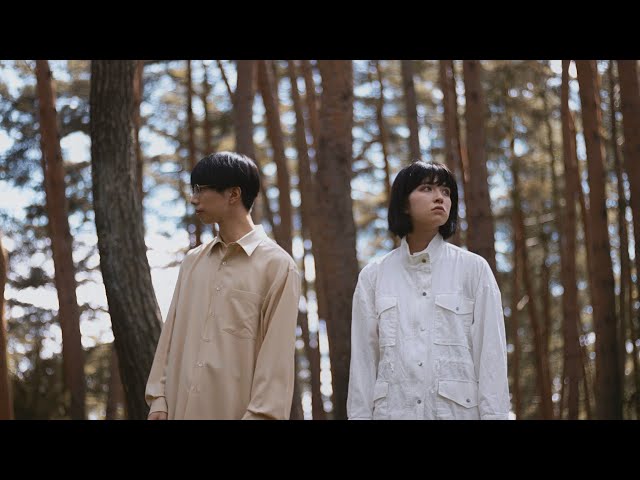
LUCKY TAPES is the solo project of Kai Takahashi, notable for its sound that blends J-pop with elements of indie pop and R&B.
Released in October 2020 and included on the album “Blend,” this track portrays the process of facing daily struggles and learning to live with them while moving forward.
The lyrics give voice to the conflict between the pressure to become “someone” and the reluctance to conform, yet ultimately offer a glimmer of hope.
It’s a song that seeps in during moments when you want to pause—while studying or on a walk.
The music video—Kai Takahashi’s first as a director—also drew attention, making this a number that gently accompanies quiet times.
On the ShoreDef Tech

Released in May 2025 as the lead single from the album “4ELEMENTS,” which commemorates their 20th anniversary.
Its gentle melody blends with a very soft sonic texture to create a soothing atmosphere.
While rooted in Def Tech’s signature Jawaiian Reggae style, it feels more refined than ever.
The lyrics, which emphasize the importance of accepting yourself as you are, are also striking.
It might give you the strength to start moving forward again when you’re worn out from work or relationships.
to clear up (weather)Yorushika

A refreshing song that evokes the arrival of spring, it impresses with n-buna’s masterful word choice and suis’s transparent vocals weaving a richly emotional world.
By depicting the shift in the sky from rain to clear weather, it symbolically expresses the joys and pains of life, as well as hope and despair, making it a track you’ll want to listen to at the change of seasons.
This work was used as the opening theme for the second cour of the TV anime Frieren: Beyond Journey’s End, which began airing in January 2024, and it was also featured in a collaborative web commercial with Suntory’s gin SUI.
Released as a digital single, this song will be a reliable companion when you need a mindset reset or are about to take a new step forward.
New PageSandaime Jē Sōru Burazāzu fromu Eguzairu Toraibu

A warm sound that gently wraps around you seeps into the heart.
This song by Sandaime J SOUL BROTHERS, released in May 2025, was chosen as the ending theme for Fuji TV’s news program Mr.
Sunday.
Distinct from their signature powerful dance numbers, it carries a message that softly supports those who feel anxious about tomorrow.
It’s crafted to offer a sense of healing when you happen to hear it in everyday life.
It’s the perfect cheering song for people leading busy lives or those who want to get their minds ready for the start of a new week.
It cleanses the soul... Great J-POP songs recommended for the Yutori generation (21–30)
To the futureKiroro

This is a heartwarming ballad that depicts the strong bond between mother and child.
Born from experiences in junior high school, the piece carries a message filled with love for a child and hope for the future.
Its gentle piano melody is striking, and Chiharu Tamashiro’s clear, pure vocals are deeply moving.
Released in June 1998 as Kiroro’s second single, it achieved an impressive No.
4 on the Oricon Weekly Singles Chart.
It has been covered by numerous artists and was also featured as the theme song for P&G’s “Bridge of Feelings Project” commercials.
Brimming with a parent’s love for their child and a child’s gratitude for their parent, this song is also beloved as a graduation anthem—sure to evoke memories of youth.