

Relive those feelings from back in the day! Youth anthems recommended for the Yutori generation

For those from the so-called “Yutori Generation,” likely born around 1987 to 2004, their youth probably spans from about 2002 to 2019.
Music we listened to during our formative years has that mysterious power to pull us right back to that time, no matter how much time passes.
So this time, we’ve compiled a list of classic youth anthems recommended for the Yutori Generation.
From universally known hits to hidden gems, we’ll cover a wide range—so don’t miss it!
- It cleanses the soul… Great J-pop songs recommended for the yutori generation
- Memories come flooding back! Graduation songs recommended for the Yutori generation
- [2026 Edition] Youth Anthems for Your 40s! A Roundup of Popular Heart-Pounding × Heartwarming Songs
- Recommended for the Yutori generation! Tear-jerking masterpieces from the J-pop scene
- Spring songs to color the season of meetings and partings—recommended for the Yutori generation
- Recommended youth songs for people in their 80s: A collection of nostalgic classics
- A classic, bittersweet youth song. Recommended popular tracks.
- A Must-See for Those in Their 20s: A Collection of Youthful Songs That Bring Back School Days
- Packed with masterpieces! Karaoke songs recommended for women of the Yutori generation
- Recommended breakup songs by male artists for the Yutori generation
- [For adults too] Youth songs that let you look back on your memories
- A roundup of youth-themed songs recommended for high school students
- A coming-of-age song that was a hit in the ’90s. A classic and popular track in Japanese music.
Relive Those Feelings from Back Then! Recommended Youth Songs for the Yutori Generation (41–50)
The limits of languageHinatazaka46

This is a track included as a coupling on the single “Onegai Bach!” released in September 2025.
Hina Kawata, who was about to graduate, served as the center.
The song contemplates the vastness of the universe while expressing the limits of putting precious feelings into words and celebrates the bonds of the heart that transcend language.
Its acoustic sound is warm and wonderful.
It’s a message song you’ll want to dedicate to someone setting off on a new journey.
Teenager ForeverKing Gnu

A powerful anthem that brilliantly captures the radiance and restlessness of youth.
Its driving melody, carried by a brisk rhythm, stirs the heart, and the determination to keep moving forward despite the anxieties and impatience of being young is deeply moving.
Featured on the album “CEREMONY,” this track was used in January 2020 as the commercial song for Sony’s WF-1000XM3 true wireless earbuds, with King Gnu’s distinctively original sound drawing wide attention.
The deftly interwoven piano and guitar arrangement vividly conveys the urgency and inner conflicts of people living in a time-pressed modern world.
It’s the perfect song for moments when you need a push—during morning commutes, on the way to school, or when racing to meet a deadline.
I should be able to fly (in the sky).supittsu
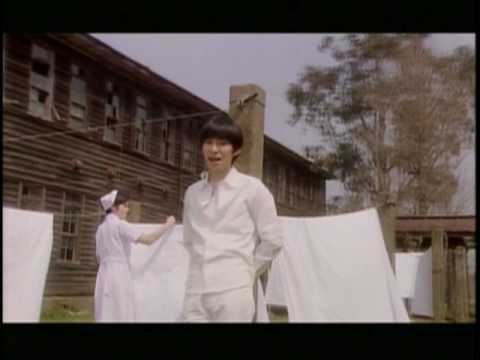
A gem of a love song delivered with a breezy melody that seems to float through the air and a voice brimming with vitality.
It weaves the wavering feelings unique to youth—where anxiety and expectation mingle—into a warm sound that gently embraces the heart.
Spitz’s eighth single, released in April 1994 and included on the album “How to Fly in the Sky,” later drew major attention when it was chosen as the theme song for the 1996 drama “Hakusen Nagashi.” Tenderly sung with poetic expression, capturing pure love and aching longing, this piece deeply resonates with young people struggling with romance and continues to shine just as brightly today.
When you want to connect heart-to-heart with someone special, this song will gently give you a push.
1000 daysnozomi

Released in April 2025 with its music video following in August, this track layers a passionate melody over a pop-tinged guitar rock sound.
Its lyrics—singing of the bittersweet emotions born from roughly a thousand intense days of high school life and a cheer for the future—are likely to resonate with many listeners.
It’s an emotional power song that embraces the feeling of cherishing days gone by.
Why do we run?Nogizaka 46

This is a song by Nogizaka46 that vividly captures the dazzling glow of youth—being driven by something for no reason at all.
In response to the question of why we run and sweat, the lyrics boldly declare, “There’s no meaning,” embodying that uniquely youthful impulse where the body moves before the mind can think.
Perhaps it’s precisely because it’s sung by the 6th generation, the group’s next wave, that the words carry a genuine, unfeigned radiance.
Included on the single “Same numbers,” released in July 2025, this track is a youth pop anthem that blends coolness with an emotional resonance.
snowdropConton Candy

Set to a fast-paced, exhilarating rock sound, this Conton Candy track gives voice to the complex emotions unique to adolescence.
Written as the opening theme for the TV anime Rascal Does Not Dream of a Santa Claus, it builds on the keyword “Adolescence Syndrome” to vividly portray the protagonists’ wavering hearts.
It’s a song of encouragement that pushes you forward—struggling through imperfect realities yet still trying to face ahead.
Perfect for immersing yourself in the anime’s world, and just right for the moments you need courage.
cherrysupittsu

A song that delicately captures the joys and bittersweet moments of youth was released in April 1996 and continues to be loved across generations.
The magical fusion of Spitz’s gentle melodies and poetic lyrics tenderly embraces a range of feelings—love, parting, and hope for the future.
Included on the album Indigo Chiheisen, it reached No.
1 on the Oricon weekly chart despite having no tie-in.
Since 2019, it has also been used in NTT East’s commercials, continuing to resonate with many people.
It’s a heartwarming track that stays close to those who carry feelings for someone dear and a faint sense of wistfulness, while holding hope for the future.