



MOR (Middle of the Road), which is gaining attention in the music scene, is an appealing genre that combines approachable melodies with refined musicality.
It strikes an exquisite balance between mass appeal and artistry, earning support from a wide audience.
Recently, more and more new artists have been incorporating elements of MOR, expanding the possibilities of music through contemporary interpretations.
In this article, we’ll take a closer look at the charm and characteristics of MOR, as well as the musicality of representative tracks!
- [Nostalgic Collection] Classic oldies masterpieces. Recommended popular songs
- A classic medium-tempo ballad in Western music
- Singable Songs by The Carpenters | Famous Western hits that are easy to sing despite being in a foreign language
- What is soft rock? Masterpieces with captivating, soothing melodies
- [Adult-Oriented Rock] A roundup of artists and bands that represent AOR
- Foreign songs you want to listen to in the morning: background music for the breakfast table
- [Western Music] Must-Know: A Roundup of Popular Overseas Fusion Bands
- Masters who perform jazz fusion: A roundup of representative international artists
- Recommendation of calm Western music: music that envelops you in a peaceful time
- Moist Western music | A slew of sweet classics make an appearance…
- [Timeless Melodies] A Collection of Classic 70s Western Ballad Masterpieces
- Classic fusion music masterpieces. Recommended staple tracks.
- Emotional Western Music Special | Handpicked from All Generations
What is MOR? The appeal of an easy-listening, comfortable music genre (1–10)
Spanish EyesAl Martino
A bittersweet ballad, this famous song is known as a signature work of Al Martino, continuing the lineage of postwar American crooners.
Originally an instrumental by German composer Bert Kaempfert that later received English lyrics, it was released as a single in November 1965.
The song expresses feelings for a lover far away, intertwining the sadness of parting with the promise of reunion.
It spent four consecutive weeks at No.
1 on the U.S.
easy listening chart, and became a long-running hit in the UK, peaking at No.
5 upon its 1973 reissue.
Recommended for those who want to enjoy a calm lounge atmosphere or be enveloped by the rich sound of an orchestra.
Moon RiverAndy Williams
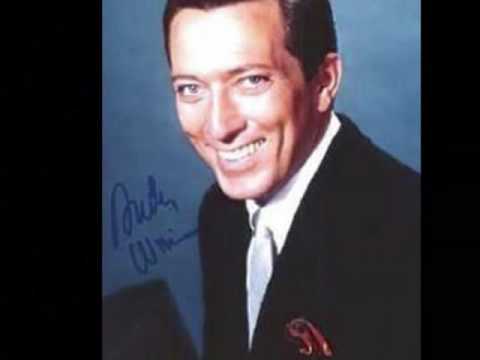
This is a gem of a recording woven from a rich baritone voice and sophisticated orchestration.
Recorded by Andy Williams in January 1962, this classic portrays a traveler in pursuit of dreams through the romantic metaphor of the “moon river.” The phrase “Huckleberry friend” in the lyrics reflects the lyricist’s childhood memories, gently expressing nostalgia and a longing for freedom.
As the theme song of the film Breakfast at Tiffany’s, it won the Academy Award for Best Original Song in 1961, and the album Moon River and Other Great Movie Themes achieved great success, reaching No.
3 on the U.S.
charts.
Its gently flowing melody makes it perfect for a quiet night of relaxed listening.
Red Roses for a Blue LadyBert Kaempfert

Bert Kaempfert, the German composer and arranger who made a major mark on the easy listening scene from the 1950s through the ’70s.
Known for his sparkling, accessible orchestral arrangements and polished sound, he produced numerous hits, and his 1965 instrumental number is a supreme romantic piece centered on muted trumpet and strings.
Originally a popular song released in 1948 and covered by many vocalists, this version is reimagined purely as “music to listen to,” exuding an elegant atmosphere that makes you want to sip a drink after a night out.
It peaked at No.
11 on the Billboard Hot 100 and continues to be cherished as a quintessential MOR classic.
Love’s Been Good To MeFrank Sinatra

This piece, included on the album “A Man Alone: The Words and Music of McKuen,” released in 1969 by Frank Sinatra, one of the defining singers of the 20th century, is a ballad that gives voice to the works of poet Rod McKuen.
Its lyrics are memorable for quietly expressing gratitude for love encountered along the way while reflecting on a lonely life as a traveler.
Weaving in place names like Denver and Portland, it recounts episodes of partings and meetings.
Don Costa’s restrained orchestration and the resonance of the strings highlight Sinatra’s conversational vocal delivery, and the song became a hit, reaching No.
8 on the UK charts.
It’s a recommended track for those who have journeyed through life or for times when you want to immerse yourself in music on a quiet night.
Strangers In The NightFrank Sinatra

Frank Sinatra’s signature work released in 1966 distills the allure of the MOR genre.
Set against sophisticated strings and horns, this piece quietly portrays the emotions of two people who meet by chance on a city night—a gem of a love ballad depicting mature romance.
Sinatra’s seasoned voice envelops the listener with an intimate, conversational warmth, and the “doo-be-doo-be-doo” line near the end provides a memorable accent.
Originally an instrumental composed by Bert Kaempfert for the film A Man Could Get Killed, it was quickly fitted with English lyrics and recorded.
Winning Record of the Year at the 1967 Grammy Awards, this track is perfect for unwinding after work or savoring a quiet evening.
Summer WindFrank Sinatra

Originally included on the 1966 album Strangers in the Night, this piece began as a German song, for which Johnny Mercer rewrote the lyrics in English.
Its poetic lines—evoking memories of a love that fades like the wind at summer’s end—are striking, and the blend of Sinatra’s smooth vocals with Nelson Riddle’s sophisticated orchestral arrangement creates a perfect balance.
Topping Billboard’s Easy Listening chart, the song has been featured in films like Blade Runner 2049 and TV series such as Ozark, and has been covered by many artists, including Michael Bublé.
It’s a wonderful listen when you want to sink into a nostalgic mood as the seasons change.
My Funny ValentineJackie Gleason
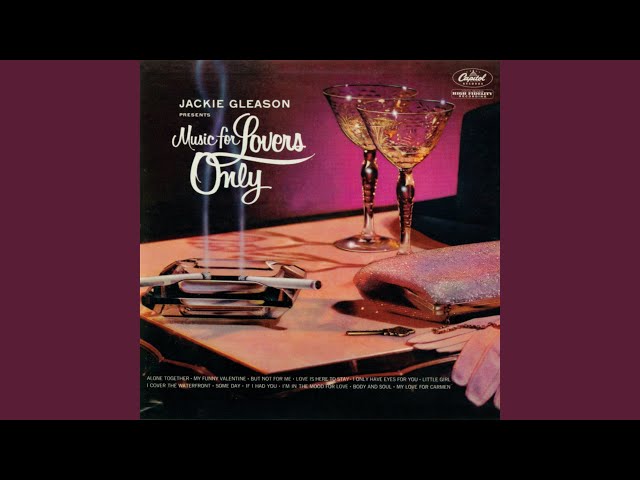
Jackie Gleason, an actor and music producer who epitomized 1950s mood music.
Born into a poor family in Brooklyn and famed as a comedian, he created orchestral works known for their romantic, soothing sound.
This piece, an instrumental arrangement centered on strings of a 1937 musical number by Richard Rodgers and Lorenz Hart, was included on the October 1952 album “Music for Lovers Only” and released as a single in April 1953.
Although Gleason couldn’t read music, he conveyed the melodies in his head to his assistants and, together with trumpeter Bobby Hackett and others, crafted superb mood music.
It’s perfect as a subtle backdrop for a quiet night or for setting the scene with someone special.