

[2026] Popular MPB Songs: From Classics to Recent Hits!

Música Popular Brasileira, or MPB for short, continues to share the allure of Brazilian music with the world.
Evolving from samba and bossa nova, it is known as a highly artistic genre born out of resistance to the military regime.
The musical style established by artists like João Gilberto and Caetano Veloso continues to exert a major influence on today’s Brazilian music scene.
In this article, we’ll cover everything from historically important masterpieces to the fresh musicality of Gen Z artists shining right now.
Enjoy the world of MPB, infused with the heart and soul of Brazil.
- [2026] Brazil’s National Music! A Collection of Iconic and Popular Samba Songs
- A roundup of great masterpieces and popular songs of Brazilian music
- Recommended Brazilian artists: Popular international singers and singer-songwriters
- What is MOR? The appeal of an easy-listening, comfortable music genre
- [2026] A roundup of recommended bands from Brazil
- The allure of calypso music: a journey into the world of passionate Caribbean classics
- [2026] A Guide to Bossa Nova: From Classic Standards to the Latest Hits!
- Also great as café music! Introducing famous tunes to savor the charm of musette
- Caetano Veloso Popular Songs Ranking [2026]
- Perfect for café BGM! A stylish roundup of classic bossa nova songs [2026]
- Popular bossa nova songs: a roundup of recommended classic BGM
- Classic and Contemporary Hits in Western R&B: From the Newest Popular Tracks to All-Time Big Hits [2026]
- [2026] A Collection of Popular R&B Songs in the U.S. [Beginner-Friendly]
[2026] Popular MPB songs: From classics to recent hits (1–10)
Oba, lá vem elaJorge Ben Jor

Jorge Ben Jor is one of the innovators who left his mark on the history of Brazilian music.
Known for his distinctive style that fuses samba with funk and rock, he was ranked fifth in Rolling Stone Brasil’s 2008 list of the greatest artists in Brazilian music history.
This track, included on his classic album Força Bruta, is a romantic piece suffused with the feel of the night.
The song conveys a pure longing: a heart fulfilled simply by gazing at a woman passing by.
The easy, improvised groove born from sessions with Trio Mocotó gently wraps around those delicate emotions.
Released in September 1970, the song later gained attention when a cover version was used in the television drama Vitória.
It’s a timeless tune that feels like a quiet companion to a peaceful night.
Baby95Liniker

While carrying on the tradition of MPB, Linn da Quebrada from São Paulo state embodies the brilliance of contemporary Brazilian music as it intersects with soul and R&B.
Singing of love and dignity from the perspective of a Black transgender woman, her expression captures listeners’ hearts and doesn’t let go.
The work introduced here is a track released in June 2021 ahead of the album Indigo Borboleta Anil, which marked the full-fledged start of her solo career; it went on to achieve the remarkable feat of winning Best Portuguese-Language Song at the 2022 Latin Grammy Awards.
Evoking the warmth of intimate love and self-acceptance through images of nature—shimmering sun and sea—the piece is truly a masterpiece where the lyricism of MPB meets contemporary grooves.
Its refined yet somehow nostalgic sound is perfect for a leisurely listen on a holiday afternoon.
Tudo O Que Você Podia SerMilton Nascimento
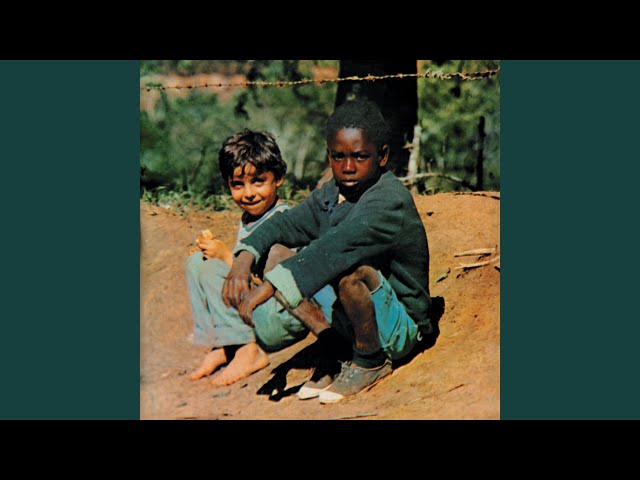
Milton Nascimento is one of the great singers who laid the foundations of Brazilian music.
Building on MPB, he fused diverse styles such as jazz and rock, and is celebrated in Brazil as a national artist.
Among his works, I especially recommend the opening track of the classic album Clube da Esquina, which he created with Lô Borges in March 1972.
The song seems to sing of the dreams and hopes that young people must have held under the military regime, as well as the possibilities that were lost.
You can fully savor the gradually layered, dreamlike sounds that grow from the quiet resonance of the guitar, along with Milton’s clear, translucent falsetto.
Why not listen when you want to touch the soul of Brazil?
[2026] Popular MPB Songs: From Classics to Recent Hits! (11–20)
Preta pretinhaNovos Baianos

Novos Baianos, the group that led Brazil’s counterculture movement.
Centered on rock while fusing a wide range of traditional styles like samba and bossa nova, they were pivotal figures who showed new possibilities for MPB.
The piece I’m introducing today is a track from their 1972 album Acabou Chorare.
This historic masterpiece has even been ranked number one on all-time best Brazilian music lists.
Inspired by the lyricist’s real-life experience of heartbreak, the song tells a sweet yet bittersweet story, while its acoustic ensemble exudes a certain warmth—a curious charm.
Even among their music, which sang of joy in a melancholy era, this track feels especially tender, as if gently attuned to the subtleties of the human heart.
Erva Venenosa (Poison Ivy)RITA LEE

Rita Lee is a Brazilian rock singer and composer active since 1966.
She is also known as a member of the band Os Mutantes.
This track is included on the album 3001, released in 2000, which was certified Gold in Brazil.
1.100,00 (Nega Marrenta)Ana Carolina

Ana Carolina is a Brazilian singer and songwriter who has been active since 1998.
She is also known for having a contralto, the lowest female vocal range.
This track is included on the CD & DVD “Ana & Jorge: Ao Vivo,” released in 2005 together with Seu Jorge.
Baião da penhaCaetano Veloso

Caetano Veloso is a Brazilian composer, guitarist, and singer-songwriter who has been active since 1967.
He has won the Grammy Award twice and the Latin Grammy Award nine times.
This track is included on his 1991 album Circulado.