

[Nostalgic Songs] A compilation of classic anime themes that hit home for those born in the Showa and Heisei eras

Don’t we all have anime songs we used to listen to a lot as kids?
You might not remember the story, but you can still sing the opening chorus—pretty relatable, right?
In this article, I’ve rounded up nostalgic anime songs that will take you right back to your childhood the moment you hear them.
I’ve picked tracks from the 1980s to the 2000s, so it should resonate with a wide range of ages.
Take your time and see if you can find that one song from your memories!
- Anisongs that were hits in the 2000s: a nostalgic collection of legendary tracks
- [Nostalgic] Classic and Popular Anime Songs Recommended for People in Their 30s
- Anime songs recommended for people in their 60s: from nostalgic classics to the latest hits
- Recommended anime songs for people in their 50s. Classic and popular anime theme songs.
- Anime songs recommended for people in their 40s, from nostalgic classics to the latest hits.
- [Nostalgic] A special feature on legendary anime theme songs: revisiting those classic tracks
- Anime songs that were hits in the 1990s. Recommended masterpieces and popular tracks.
- [Nostalgic] A roundup of anime songs and theme songs that were hits in the 1980s
- [Classic Hits] Popular Anime Songs Representing the Showa Era. Also Introducing Recommended Anime Songs!
- So nostalgic it feels new? Showa retro classics that colored Japan’s period of rapid economic growth
- Songs that get people in their 30s pumped up: a roundup of nostalgic tracks that are also great for karaoke
- Iconic scenes overlap! Anime songs recommended for the yutori generation
- Including global smash hits! Anime songs recommended for Gen Z
[Nostalgic Songs] A collection of nostalgic anime songs that resonate with those born in the Showa and Heisei eras (21–30)
Dan Dan Kokoro HikaretekuFIELD OF VIEW

This song is characterized by its refreshing melody and lyrics that gradually intensify the feeling of being in love.
Captivated by the other person’s smile, it conveys a positive determination to break free from the darkness and the courage to embark on a new adventure.
Released in March 1996 by FIELD OF VIEW, the track features a powerful performance by the band and emotive vocals in perfect harmony, and it also drew attention as the opening theme for the anime Dragon Ball GT.
With heartwarming lyrics by Izumi Sakai and a memorable melodic line by Tetsurō Oda, this is a highly recommended song for those who want to relate to the feelings of being in love or look back on memories of their youth.
A hill where summer begins to showDaisuke
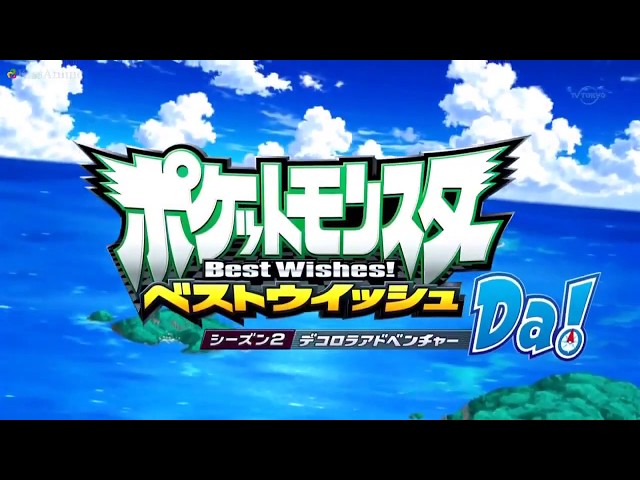
This is a refreshing, fast-paced song by singer-songwriter Daisuke that feels wonderfully pleasant to listen to.
It combines the excitement of the start of summer with a fleeting sense of poignancy that appears in quiet moments.
The lyrics paint scenes of sloping streets, sunsets, and fireworks that spring vividly to mind, almost like your own memories.
Released in July 2013 as his seventh single, the track served as the opening theme for the anime Pokémon: Best Wishes! Season 2: Decolora Adventure and the movie Genesect and the Legend Awakened.
Even now, its heart-thumping melody line is unforgettable.
It’s a song you’ll want to play on a summer drive or on a night when you want to sink into a slightly sentimental mood.
The Star of the SeineKoromubia Yurikago-kai

Set in Paris during the French Revolution, this work, which colors the story of a young girl, is marked by the beautiful vocals of Arène and the Columbia Yurikago-kai.
Carried by a brave yet wistful melody, it conveys the heroine’s steadfast will and solitude as she fights for freedom and love.
French phrases woven throughout further enhance the work’s distinctive world.
The LP record was released by Nippon Columbia in June 1975 and was used as the opening theme for the television anime of the same name.
One month after the anime began airing, Arène visited Japan and held six events mainly in the Kanto region.
With its moving, beautiful melody and crystalline vocals, this is a recommended track for anyone who wants to immerse themselves in the story’s world along with nostalgic memories.
Defeat Galactor!Koromubia Yurikago-kai

Set to a powerful, fast-paced melody, this work portrays the heroic exploits of the Science Ninja Team protecting the peace of Earth.
The clear voices of the Columbia Yurikago-kai further enhance the energetic feel of the piece.
Celebrating the brave figures who fight using the power of science and ninja techniques, the song brings dreams and hope to children.
Used as the ending theme for Science Ninja Team Gatchaman, which began airing in 1972, it captured the hearts of many viewers throughout its 105-episode run.
The lyrics were written by the Tatsunoko Production Literary Department, and the music was composed by Asei Kobayashi.
Evoking empathy for protagonists with a pure sense of justice, this is a perfect track for anyone seeking an inspiring anthem that resonates.
It’s recommended listening when you want to feel uplifted.
Oak Wood MocOnogi Kumiko

With a bright, lively rhythm and a catchy, child-friendly melody, this heartwarming song conveys the importance of kindness and human bonds.
It expresses the protagonist’s innocence and positive spirit through simple yet memorable phrases, resulting in a familiar tune that anyone can hum along to.
The clear, gentle vocals of Kumiko Onogi and the Columbia Yurikago Kai softly deliver the story’s message.
Released in January 1972, it was used as the opening theme for an anime produced by Tatsunoko Production.
It has continued to be loved for many years and cherished by people of all ages.
It’s a nostalgic track that can be enjoyed with family and friends.
Gamba’s SongKawahara Hiromasa

Hiroaki Kawahara delivers a powerful performance of a song that shines in the history of 1970s anime programs.
Riding an energetic melody, it’s a rousing anthem that calls for the courage to set off on an adventure and the importance of bonds with friends.
Its bright, cheerful rhythm conveys the excitement of an adventure that makes anyone’s heart leap.
Released as a single in January 1975, the song was used as the opening theme for a TV anime broadcast from April to September of the same year.
Like the anime’s story, it centers on friendship and bonds, expressing the determination to face hardships and a positive spirit.
It’s a track that gives you strength and courage when you’re feeling down or want to take on something new.
See, spring has come.ushirogami hikaretai

A refreshing song celebrating the arrival of spring has been delivered by Ushirogami Hikaretai.
It expresses the exhilaration and anticipation that come with the changing seasons, set to a bright and lively melody.
The lyrics leave a strong impression with their gentle sensitivity to the love and happiness overflowing in nature—spring’s buoyant warmth, the murmur of a brook, and the hope of new romance.
The track was used as the opening theme for the Fuji TV anime “Tsuideni Tonchinkan,” and after its release in February 1988, it reached No.
6 on the Oricon chart.
It’s a song you’ll want to hear at the start of a new season, a work that lingers in the heart along with fond memories.