

[Heisei-born, Showa-raised] Oe Yutaka’s easy-to-sing songs

Recently, Hiroshi Oe has been appearing frequently on variety shows and the like.
He first gained popularity through the hit show “Sanma’s SUPER Karakuri TV,” and afterward continued working in earnest as an enka singer.
Today, he boasts a career that places him somewhere between mid-career and veteran status.
This time, we’ve picked out some of Hiroshi Oe’s songs that are especially easy to sing.
There’s also concrete vocal commentary from a former vocal instructor, so be sure to read to the end.
- Songs by Yoshimi Tendo, the songstress born in Osaka, that are easy to sing
- [Prince of Enka] Keisuke Yamauchi’s Easy-to-Sing Songs [2026]
- [Enka] Songs That Are Easy to Sing Even for the Tone-Deaf [Male Singer Edition]
- [Enka 7th Generation] A Collection of Easy-to-Sing Songs by Yuto Tatsumi [2026]
- Queen of Enka: A roundup of Aki Yashiro’s easy-to-sing songs
- The Most Idol-Like Star in the Enka World: Easy-to-Sing Songs by Kiyoshi Hikawa
- The Allure of Deep Vocals: A Collection of Yutaka Yamakawa’s Easy-to-Sing Songs [2026]
- [Enka First Year] A Collection of Easy-to-Sing Songs by Yoko Nagayama [2026]
- 【2026】Recommended Enka by Male Singers with Captivating High Notes
- Tokyo Desert: A Collection of Kiyoshi Maekawa’s Easy-to-Sing Songs [2026]
- Classic enka songs you’ll want to sing at karaoke: recommended popular tracks
- [Glamorously Cool] A Collection of Easy-to-Sing Songs by Ayako Fuji [2026]
- [2026] Recommended for those who find high notes difficult! Enka by male singers that you can sing in a low register
[Heisei-born, Showa-raised] Hiroshi Oe's easy-to-sing songs (11–20)
Truth, this path is far (and long).Ōe Yutaka

Even if a song is easy to sing, I think many people still want to perform pieces with real highlight moments.
For those folks, I recommend “Shinjitsu Kono Michi Harukanari.” Characterized by a masculine vocal style, this piece reaches peak voltage in the chorus.
Although the chorus sounds extremely powerful, it actually doesn’t use kobushi with more than three pitch changes.
In other words, it’s “easy to sing yet incredibly impactful.” That said, the A and B sections do require somewhat delicate kobushi turns, so basic enka skills are necessary.

Captain SlowpokeŌe Yutaka
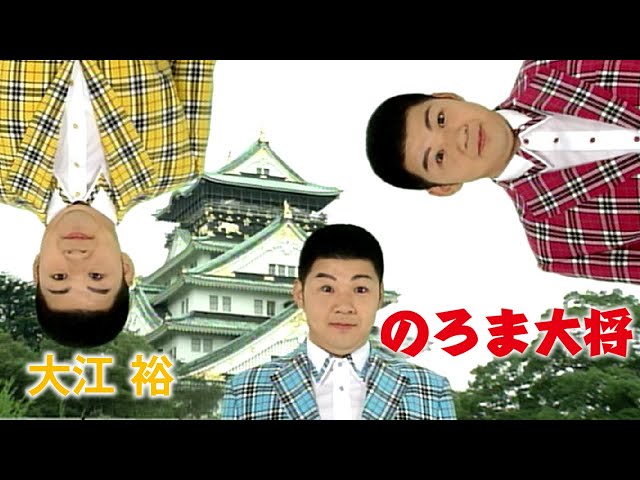
An uplifting anthem that defined the 2000s, stirring the heart with its portrait of someone single-mindedly pursuing their dream despite being clumsy.
Released in February 2009 as Hiroshi Oe’s debut single, it was selected as the ending theme for TBS’s variety show “Sanma no Super Karakuri TV,” and, together with his distinctive personality, became widely beloved by audiences at home.
It tells the story of a protagonist who keeps moving forward step by step, holding a strong resolve to one day become a big name, even if people around him laugh.
Created by his mentor Saburo Kitajima under the pen name Jōji Hara, the song is also included on Oe’s first album, “Enka Taisho • Hiroshi Oe — Nihon Rettō Uta Hikyaku I.” Hiroshi Oe’s passionate vocals convey that pure sentiment straight and true, as if gently giving listeners a push forward.
Tokachi Autumn and WinterŌe Yutaka
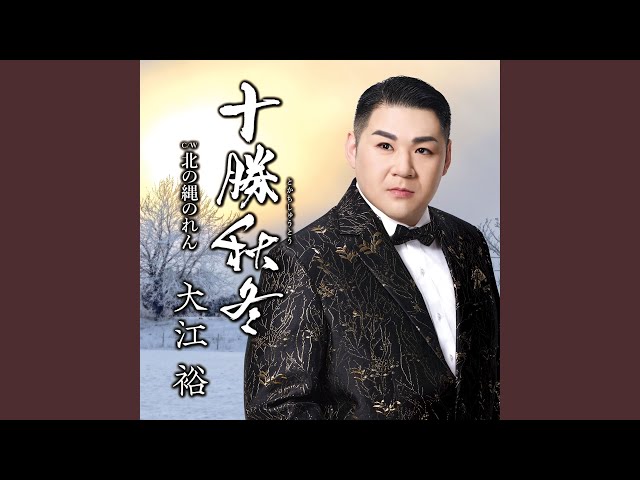
It’s a song that vividly evokes the sweeping scenery of Hokkaido’s Tokachi Plain as autumn turns to winter.
Released in July 2025, this track is the second installment in the Hokkaido series following “Hokkai Nagare Uta” from November 2024.
It’s a heartwarming piece that carefully portrays family bonds nurtured in harsh nature and a deep sense of gratitude toward one’s parents.
Hiroshi Oe’s warm yet powerful vocals add depth to the storytelling, truly moving listeners.
For those striving far from their hometown, it’s sure to stir feelings for their family.
In conclusion
Contrary to his cheerful image, Hiroshi Oe has a powerful singing voice, and among his songs, the selections this time were probably easier to sing, don’t you think? Since his singing style is very similar to Saburo Kitajima’s, it might be a good idea to practice Hiroshi Oe’s songs after going through some of Saburo Kitajima’s easier pieces. This article will continue to be updated, so please be sure to bookmark it!