

Masterpieces of bittersweet breakup songs. Recommended popular tracks.

It seems that when you’re feeling down, listening to somber songs rather than forcing yourself to listen to upbeat ones is actually better for your heart.
This time, we’ve put together a collection of Japanese breakup songs to send to you, who are hurting from heartbreak.
Let yourself fully relate to the songs you connect with, and clear your mind.
- A breakup song with great lyrics. A beautiful message that lingers in the heart.
- A heartbreak song that was a hit in the 1980s. A classic and popular track in Japanese music.
- A tear-jerking breakup song that washes the pain away with tears
- [Tearjerker Guaranteed!] A Heartbreak Song Told from a Male Perspective
- Recommended breakup songs for high school students: classic and popular J-pop tracks
- A winter heartbreak song. A love song that's just too heartrending.
- A Tearful Farewell Song: A Love Song About Parting with Someone You Love
- [Tear-Jerking Breakup Songs] A curated selection of love songs that gently comfort a wounded heart!
- [Heart-wrenching] Vocaloid breakup songs. Classic love tracks that make your chest ache
- [2026] Recommended for Men in Their 40s! A Collection of Classic Japanese Breakup Songs
- Breakup songs recommended for people in their 80s: a collection of classic tracks that capture heartbreaking feelings
- A heartbreak song known to those in the know. Hidden gems of Japanese music that resonate with the heart.
- Classic and popular unrequited love breakup songs
Masterpieces of poignant breakup songs. Recommended popular tracks (51–60).
Ice RainKudō Shizuka

It was released in 1994 as Shizuka Kudo’s 23rd single.
Even amid the year-end streets filled with happiness, it seems to tell us that there are small dramas of sorrowful farewells, and its deeply poignant lyrics and vocals sink into the heart.
As one of Shizuka Kudo’s signature ballads, it’s also a popular choice for women at karaoke.
White LoversKuwata Keisuke

It was released in 2001 as Keisuke Kuwata’s seventh single.
Among his solo singles, it holds the highest sales and was used as the theme song for Coca-Cola’s “No Reason” campaign, in which Kuwata himself appeared.
The song portrays a bittersweet, past love and is also highly popular as a Christmas song.
Watarase BridgeMoritaka Chisato

It was released in 1993 as Chisato Moritaka’s 17th single.
The song was used as the theme for the TV program “Ii Tabi Yume Kibun,” and its lyrics recall someone the singer parted with while watching the sunset at the Watarase Bridge.
It has been covered by many artists and is considered one of Chisato Moritaka’s signature songs.
I won’t fall in love anymore.Makihara Noriyuki
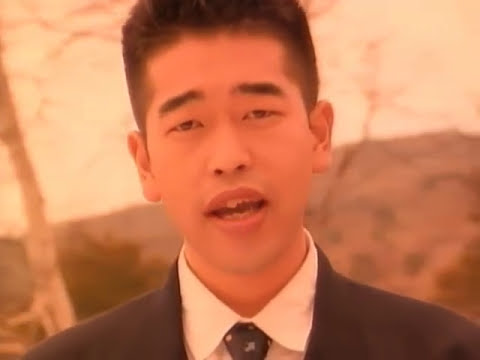
It was released in 1992 as Noriyuki Makihara’s fifth single.
The song was used as the theme for the Nippon TV drama “Kodomo ga Neta Ato de” (“After the Children Fall Asleep”), and the lyrics, composition, and arrangement were all done by Makihara.
After hearing that a staff member had gone through a breakup, Makihara created the song to help heal heartbreak, and it became a major hit, achieving million-seller status.
Masterpieces of bittersweet breakup songs. Recommended popular tracks (61–70).
Vega and AltairOnda Masanori

A song that gently sings about feelings for someone far away, like stars shining in the night sky.
The soft, band-driven sound is soothing from the very first notes.
Evoking Orihime and Hikoboshi and the Tanabata festival, the lyrics carry sorrow and lingering attachment for a former lover, and their harmony with the delicate melody tightens the chest.
Released on June 25, 2024, this work stands as a unique expression of Masanori Onda’s musical style.
If you listen to it when you’re trying to move on from a heartbreak, it may resonate even more deeply.
ShipwreckNakamori Akina

This song was written and composed by Tokiko Kato and provided to Akina Nakamori.
Released in 1987 as her 19th single, the cover came to fruition because Kato herself ardently wished for Nakamori to sing it.
It likens a heart that has lost love and has nowhere to go to a ship stranded by a storm.
For those who have gone through the profound parting of divorce and feel their hearts on the verge of breaking from an unbearable loneliness, the depth of this sorrow will resonate painfully.
It stays close on nights when you don’t want to put on a brave face and instead want to confront your feelings head-on.
Perhaps shedding tears while listening to this song will make your heart feel just a little lighter.
Thanks.DREAMS COME TRUE

It was released in 1995 as DREAMS COME TRUE’s 17th single.
The song was urgently released as a charity single for the Great Hanshin-Awaji Earthquake and reached No.
2 on the Oricon Weekly Singles Chart.
It was used as the campaign song for Nippon TV’s “Sorette Nittere?” and, while bright in tone, also conveys the heartache of a broken romance.