

Famous quotes by philosophers around the world, originating in ancient Greece

When you hear the word “philosophy,” can you explain what it is?
Said to trace its origins back to ancient Greece, philosophy has developed into a discipline that examines human existence, the universe, morality, knowledge, and truth.
Today, we’ll introduce famous quotes by philosophers.
Because philosophy seeks out many kinds of truths, the words it offers can surely serve as a guide when you’re feeling lost.
We’ve compiled everything from simple sayings to more complex ones, so be sure to check them out!
- Quotations with a sense of humor: witty words from great figures that make you chuckle.
- Short precisely because it sticks in your heart: witty, chuckle-worthy one-liners and quotes
- If you know them, they’ll surely guide your life! Important words to etch into your heart
- A famous quote by the philosopher Friedrich Nietzsche, known for “God is dead.”
- Witty quotes by great figures and celebrities where wordplay shines even in brevity
- Enriching Sayings of Mencius: A Collection of Words to Guide Your Life
- Beautiful words by great and famous people that illuminate life
- Life’s guideposts illuminated by sayings from the Analects: Confucius’s teachings that move the heart.
- Cherish each and every day! Let your life shine with profoundly moving, supreme quotes.
- Guaranteed to move you! Memorable words by great figures and famous people.
- Recommended as life tips! A collection of short, memorable quotes from great figures
- Heartfelt! Inspiring Quotes Left by Great Figures of Japan
- Words from famous people that I’d like to adopt as my motto. Inspiring quotes that convey the power of words.
Famous quotes by philosophers around the world, originating in ancient Greece (1–10)
Say much with few words, not little with many.Pythagoras

Pythagoras, the ancient Greek mathematician who laid the foundations of geometry and number theory, was also known as a philosopher.
He taught the importance of conveying ideas clearly and concisely rather than explaining with many words.
In today’s society, overflowing with information, the ability to communicate what is necessary accurately is in high demand.
Even short expressions can touch the listener’s heart if they convey the thought and weight behind the words.
Expressing gratitude or apology succinctly can also lead to better relationships.
This is a quote that highlights the importance of getting to the point.

To conquer oneself is the greatest victory.Plato

Plato, the ancient Greek philosopher who was a student of Socrates and a teacher of Aristotle, turned his gaze inward and emphasized the importance of self-control.
When striving toward a goal, one needs the strength not to succumb to laziness or temptation.
It is not a competition with others, but a battle with oneself.
This teaching applies to modern everyday situations, such as studying for exams or managing work schedules.
By forming the habit of mastering oneself, we may find hints for living a richer life.
He who wants to take must first give.Laozi
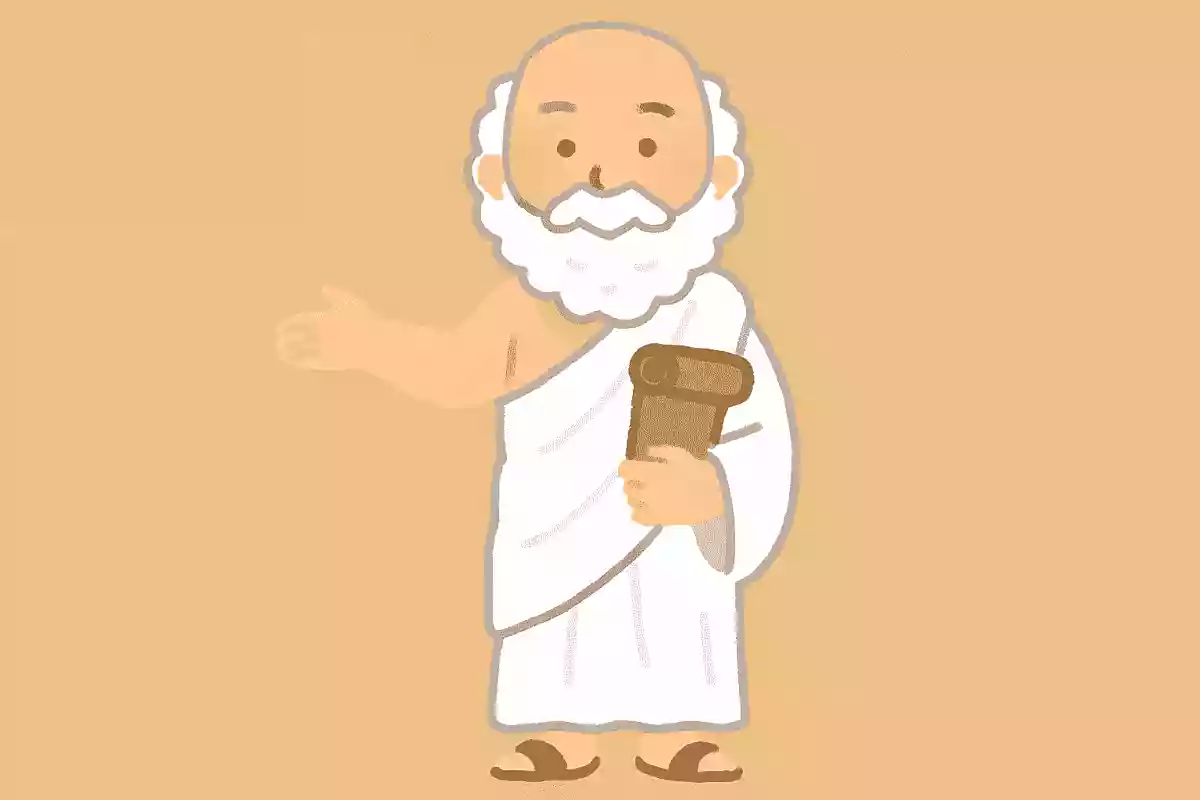
These are words of wisdom from Laozi, an ancient Chinese thinker regarded as the founder of Daoism.
They beautifully capture human relationships and social interaction.
The teaching is that if you wish to gain something, you must first give of yourself.
By generously offering trust, affection, or knowledge to others without holding back, those things will return to you.
His thought emphasizes the importance of harmony and cycles within nature and society, and it remains universal even today.
It shows that by valuing our connections with others, a richer life is born.
Quotations by philosophers around the world, originating from ancient Greece (11–20)
If you want to move the world, start by moving yourself.Socrates
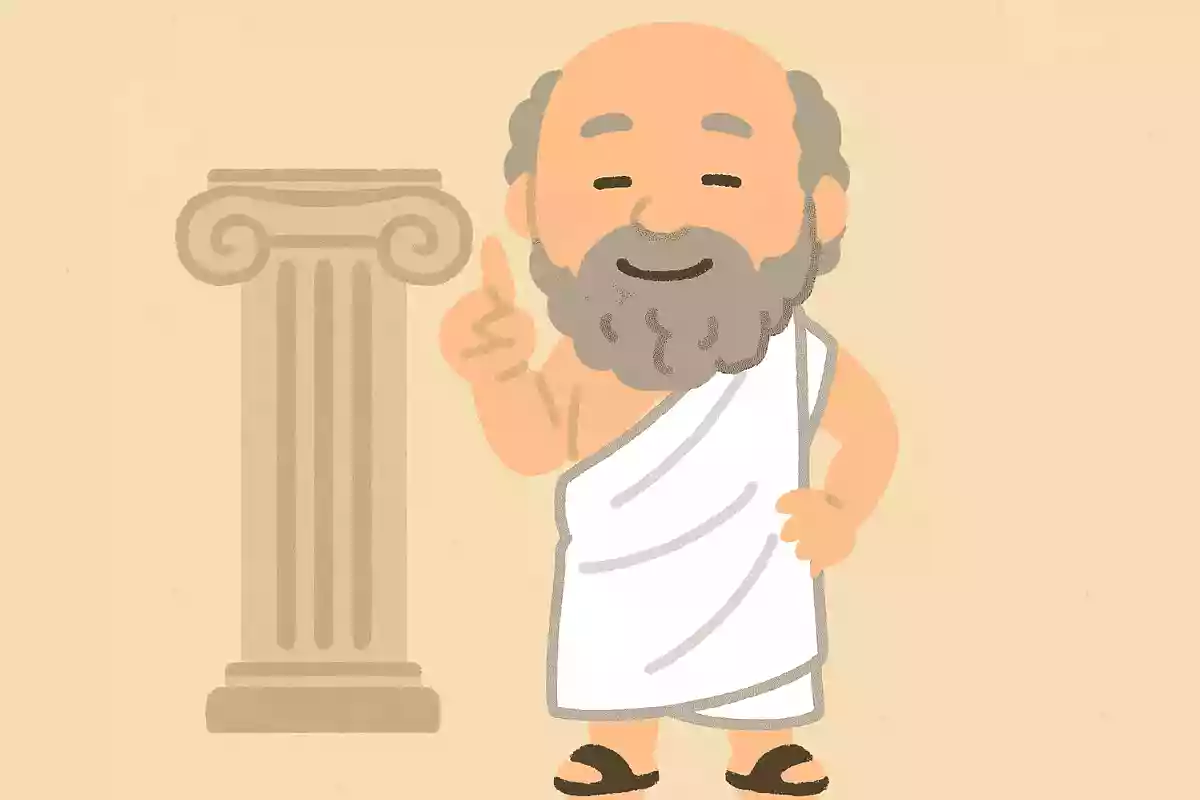
Socrates, a leading philosopher of ancient Greece who deeply explored the human inner life and ethics.
His words reflect his belief that one’s own actions and inner change are the first steps toward changing the world.
Many people feel dissatisfaction and harbor expectations toward society or others, but his teaching insists that we must first reflect on ourselves.
He emphasizes the importance of self-growth and introspection—values that remain universally relevant today.
Rather than relying on others, the message is that reexamining our own actions and awareness is the power that brings about better change.
Oblivion fosters better progress.Friedrich Nietzsche
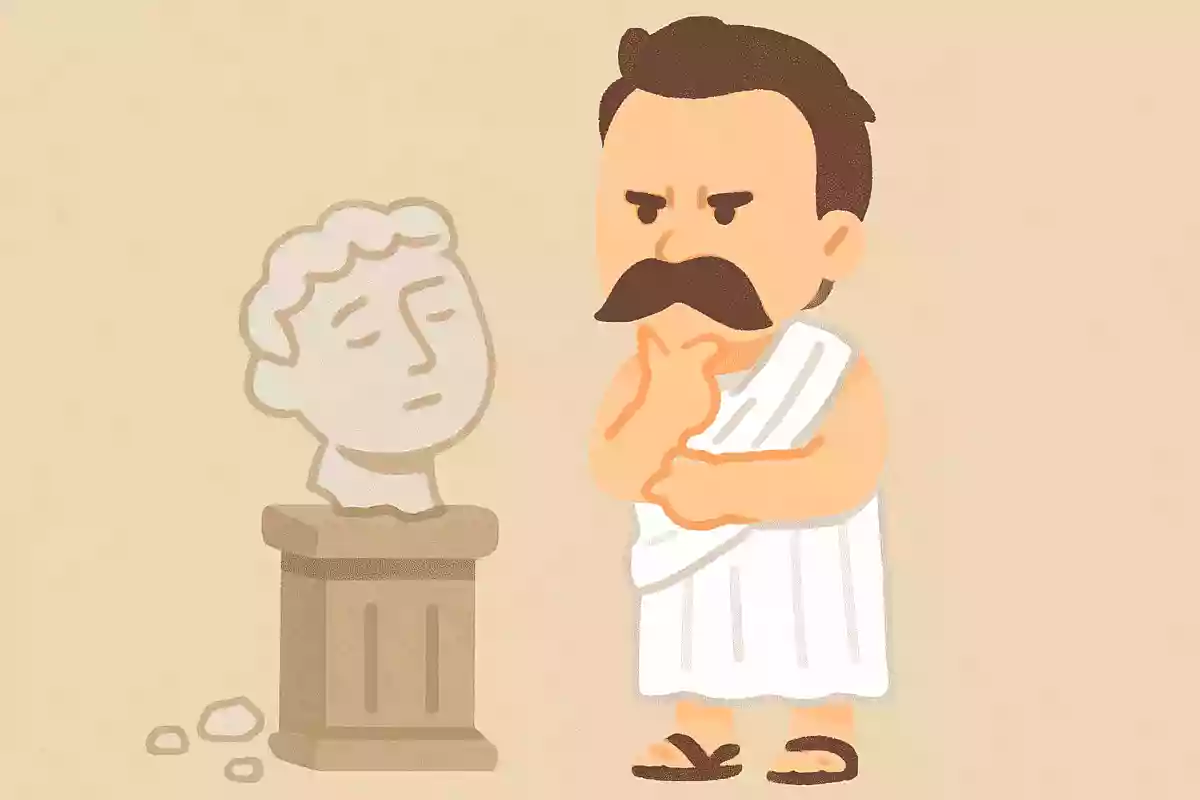
Friedrich Nietzsche, a leading thinker of existentialism and a philosopher.
He is also famous for the phrase “God is dead,” which carries a critique of religion.
He once served as a professor at the University of Basel, specializing in classical philology related to ancient Greece.
“Forgetting gives birth to better progress” is one of his famous sayings.
It means that if we can let go of the past and our regrets—if we can forget them—we can open up new paths.
Since we cannot redo the past, perhaps it’s best to reflect on what needs reflecting and then let it go.

Conscience speaks always and only in the form of silence.Martin Heidegger
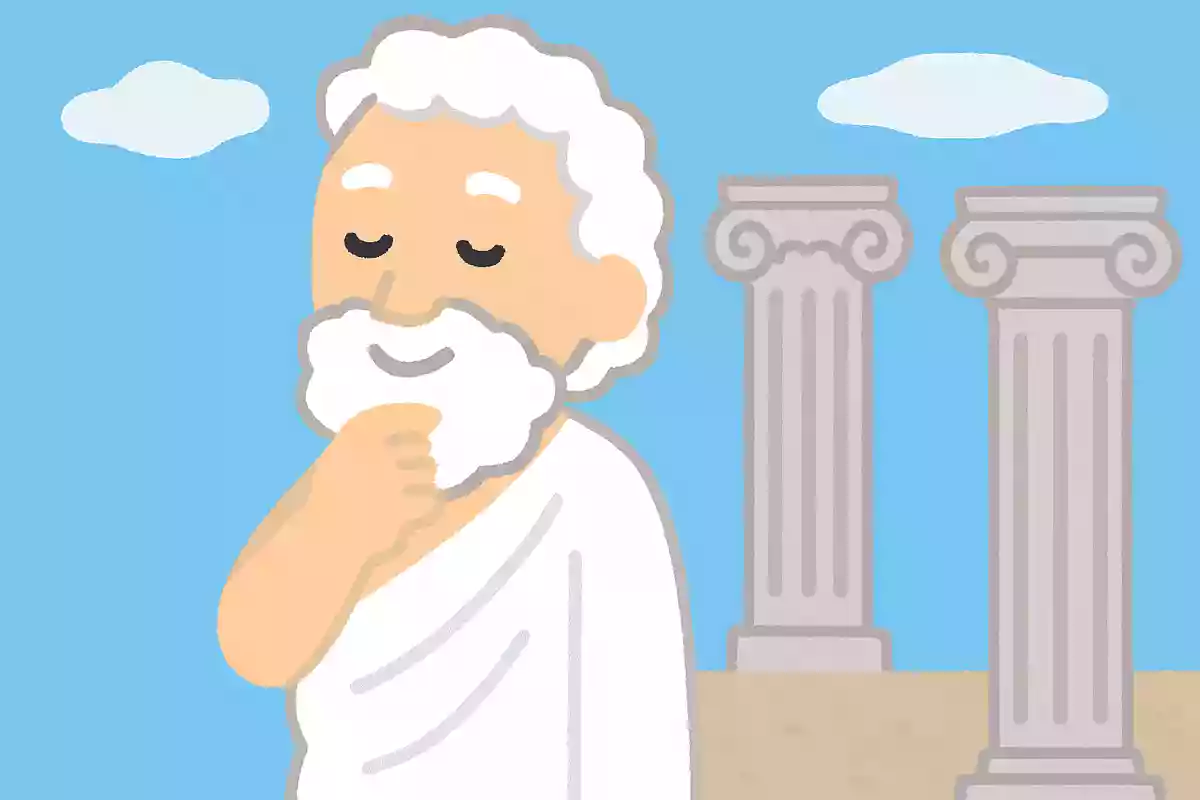
Martin Heidegger, a philosopher who championed existentialism and stands as a representative figure of the 20th century.
His major work Being and Time, published in 1927 to unravel the question that has continued since ancient Greece—“What is being?”—made a profound impact on people.
“Conscience speaks solely and always in the mode of silence”—these are words he left behind.
It’s a famous saying that teaches us not to be swayed by others but to listen to the voice within ourselves.
Rather than being seduced by alluring things and ignoring our conscience, it is important to face it squarely.
I repay resentment with sincerity, and virtue with virtue.Confucius
Confucius is the founder of Confucianism and a representative thinker of ancient China.
He is one of the Four Sages, alongside the Buddha, Christ, and the ancient Greek philosopher Socrates.
This famous saying appears in the Analects, which compiles Confucius’s teachings.
“Respond to resentment with sincerity”… this means to act in accordance with one’s true heart.
In order to repay virtue with virtue, one should respond to resentment with one’s genuine heart—that is the idea.
There is a similar saying by Laozi, but its meaning is entirely different.