

Song(s) from Princess Mononoke. Theme song and insert song(s).

We’ll introduce the main theme and insert songs from Studio Ghibli’s 1997 film Princess Mononoke.
When you think of Princess Mononoke, it’s a moving masterpiece set against a grand natural backdrop, depicting the conflicts among gods, animals, and humans—while the pure feelings of a boy and a girl from different worlds, caring for one another, truly touch the heart.
The film’s tagline is: “Live.”
Many who went to the theater at the time were likely deeply moved to reflect on “the feelings of all who live.”
In this article, we’ll present the memorable music from Princess Mononoke.
Like the film itself, each piece is wonderful and evocative of its iconic scenes!
- Songs from Spirited Away: theme song and insert songs
- Songs from Castle in the Sky (Laputa): the theme song and insert songs.
- Songs from Kiki's Delivery Service. Anime theme and insert songs. Ghibli classics.
- Songs of Studio Ghibli: List of Theme Songs, Insert Songs, and BGM from Ghibli Music
- Songs from Whisper of the Heart: theme song and insert songs
- The songs of Tales from Earthsea. Theme song and insert songs.
- The song from My Neighbor Totoro. Theme song and insert song.
- Songs from Nausicaä of the Valley of the Wind. Main theme and insert songs.
- Songs from From Up on Poppy Hill. Theme song and insert songs.
- Song(s) from The Tale of the Princess Kaguya. Theme song and insert song(s).
- Songs from Howl's Moving Castle: theme song and insert songs
- Theme and insert songs of 'Your Name'
- The Anthem of the Heart Main Theme and Insert Songs | A Comprehensive Introduction to the Music That Colored the Film
Song(s) from Princess Mononoke. Main theme and insert songs (1–10)
Princess Mononoke (Instrumental Version)Hisaishi Joe
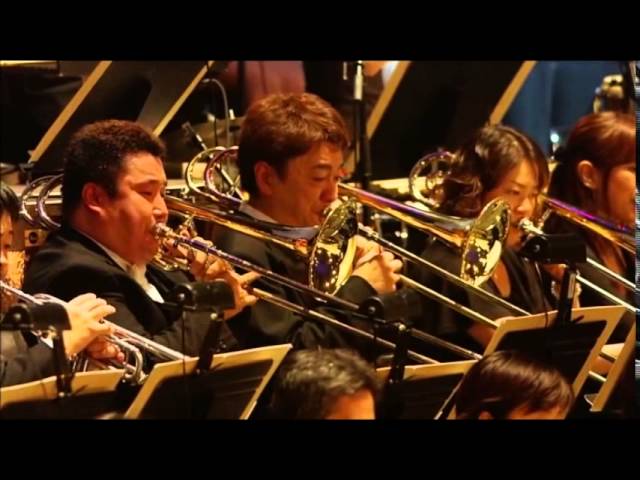
This song made the biggest impact when it was released as the ending theme of Princess Mononoke.
Yoshikazu Mera’s beautiful high-tone vocals moved listeners around the world.
Its familiar melody enhances the film’s world and sense of presence, and after the emotional experience of the movie, it carries us further into its lingering afterglow.
Since its 1998 release, it has remained a timeless classic no matter how many times we listen.

The Two in the Forest of the Deer GodHisaishi Joe

From the very beginning, the delicate piano phrases reach your ears—a creepy track that inspires fear and sets your heart racing.
Yet those high notes even evoke the presence of a god.
The piece is themed around the Forest Spirit’s forest, the climactic setting in Princess Mononoke, and it captures that atmosphere perfectly.
In the latter half, the melody of “Mononoke-tachi Dake” makes an appearance.
ShuraHisaishi Joe
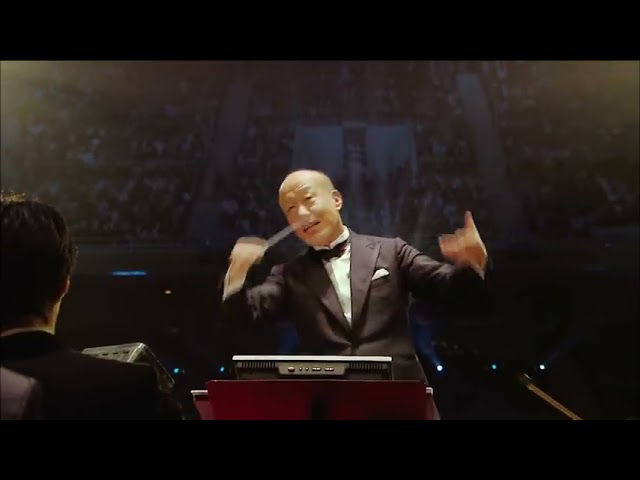
The era of Princess Mononoke was one of constant conflict, where negotiations between people were carried out through violence and warfare.
Even within a film set against such a backdrop, many memorable battles are depicted, and this piece was used in those battle scenes.
It’s a tense track that seems to reveal the resolve of people and creatures who risk their lives to fight.
The arrangement makes it feel as if you can hear your own heartbeat at any moment.
Princess Mononoke songs: theme song and insert songs (11–20)
Lady EboshiHisaishi Joe

It’s a powerful piece from Princess Mononoke that, despite its somewhat brooding tone, conveys grandeur and Eboshi’s unwavering resolve.
The music reveals different facets in each section, as if her role as a leader and her feelings as an individual are intersecting.

Vengeful SpiritHisaishi Joe

This is the piece used in the scene where the Tatari-gami appears in Princess Mononoke.
It’s a track that exudes intense tension and a frightening atmosphere.
Some people might even find themselves glancing around when they listen to it (haha).
That’s how impactful and memorable this piece is.
RequiemHisaishi Joe

This piece, titled “Requiem,” carries the meaning of a song for mourning the dead.
Its weighty, grounded piano arrangement and ambiguous melody leave a strong impression.
It powerfully elevates a crucial scene in the story where the protagonist, Ashitaka, is on the brink of losing his life.
It is a profound and convincing composition that conveys the gravity of a single human life.
Tatarigami II – The Stolen Mountain –Hisaishi Joe

This is the theme song of the infamous “Tatarigami,” which made a stunning entrance at the beginning of the story and stands out for its overwhelming animation quality in the film.
It’s a heavy, dark, and terrifying arrangement that vividly conveys its unknowable dread and grotesque form.
I still can’t forget the fear I felt when I first saw the Tatarigami.
This piece brings those memories rushing back.